7 Old-School Cooking Rules Mothers Passed Down That Their Daughters Now Question
Almost every woman can remember standing in the kitchen as a girl while her mother explained how things were done. Some of those lessons came with a wooden spoon pointed in her direction, and many were repeated so often that they became family law. Never open the oven door. Always rinse the chicken. Don’t you dare waste that grease.
For generations, those rules were passed down without question, from grandmother to mother to daughter. They were part of running a household, and following them was a sign that you had been raised right. Breaking one could earn you a long, disappointed look across the dinner table.
Today, many daughters are taking a second look. Food safety research, modern appliances, and a flood of cooking information have made some of those old rules seem outdated, while others turned out to be surprisingly wise. These seven cooking rules mothers handed down are now being questioned by their daughters, and the answers might surprise both generations.
1. Always Rinse Raw Chicken Before Cooking
For decades, rinsing chicken under the kitchen faucet was simply what careful cooks did. Mothers taught their daughters that washing the bird removed slime, bacteria, and anything else that did not belong on the dinner plate. Skipping the rinse felt dirty and lazy.
Food safety experts now say this habit does more harm than good. The USDA warns that washing raw poultry can splash bacteria around the sink, counters, and nearby dishes. Cooking chicken to the proper internal temperature is what actually makes it safe. Many daughters have given up the rinse, though plenty of mothers still refuse to believe it.
2. Never Open the Oven While Something Is Baking
Generations of girls were warned to keep their hands off the oven door while a cake was baking. Open it too soon, mothers said, and the whole thing would fall flat. Some households treated the oven like a sleeping baby that nobody was allowed to disturb.
There is some truth to this rule. Opening the door lets heat escape, and delicate cakes and soufflés can sink if the temperature drops too early. However, modern ovens recover heat quickly, and a quick peek near the end of baking rarely causes a disaster. Daughters now tend to use the oven light instead, which neatly keeps both generations happy.
3. Save Every Drop of Bacon Grease
In many homes, a coffee can or ceramic jar sat beside the stove, filled with bacon grease. Mothers saved every drop to fry eggs, season green beans, and make cornbread. Throwing it away would have been unthinkable in a house where nothing was wasted.
Some daughters have dropped the habit because of health concerns about saturated fat, while others never got used to keeping a grease jar on the counter. Yet many younger cooks are quietly bringing it back. They have discovered that a spoonful of bacon fat adds a depth of flavor that bottled oil simply cannot match, as long as it is strained and stored in the refrigerator.
4. Cook Pork Until There Is No Pink Left
Mothers who grew up in the 1940s and 1950s were taught to cook pork until it was gray all the way through. The fear came from trichinosis, a parasitic illness that was once more common in American pork. Pink pork was considered dangerous, and many families ate dry chops for decades as a result.
Farming practices have changed a great deal since then, and the risk is now much lower. The USDA lowered its recommended cooking temperature for whole cuts of pork to 145 degrees Fahrenheit, followed by a three-minute rest. That means a little pink is perfectly fine. Daughters who learned this are enjoying juicier pork, though some mothers still serve it well done out of habit.
5. A Good Wife Cooks Dinner From Scratch Every Night
This was less a cooking tip and more an expectation. Many mothers believed that a hot, homemade dinner on the table every evening was simply part of being a good wife and mother. Store-bought shortcuts were a sign that a woman was not trying hard enough.
Today’s daughters often work full-time jobs and juggle busy family schedules, and many have let go of the guilt. They are happy to use a rotisserie chicken, a bag of salad, or a slow cooker without feeling like they have failed. Some still admire their mothers’ dedication, but they no longer believe that love is measured by how many hours you spend at the stove. If this sounds familiar, these expectations to let go of may strike a chord in families on both sides of the generation gap.
6. Don’t Put Hot Food in the Refrigerator
Many mothers insisted that leftovers had to cool completely on the counter before going into the refrigerator. They worried that hot food would spoil everything else or overwork the appliance. Pots of soup and casseroles often sat out for hours after supper.
This rule came from the days of iceboxes and weaker early refrigerators. Modern guidance says the opposite. Perishable food should be refrigerated within two hours, and dividing large batches into shallow containers helps them cool quickly and safely. Daughters who know this are less likely to leave a pot of chili on the stove overnight, though the old habit still lingers in many kitchens.
7. Measure Nothing and Cook by Feel
Some of the best cooks in history never owned a measuring cup. Mothers and grandmothers cooked by sight, smell, and touch, adding “a pinch of this” and “enough of that” until the food looked right. When daughters asked for exact amounts, they were often told, “You’ll just know.”
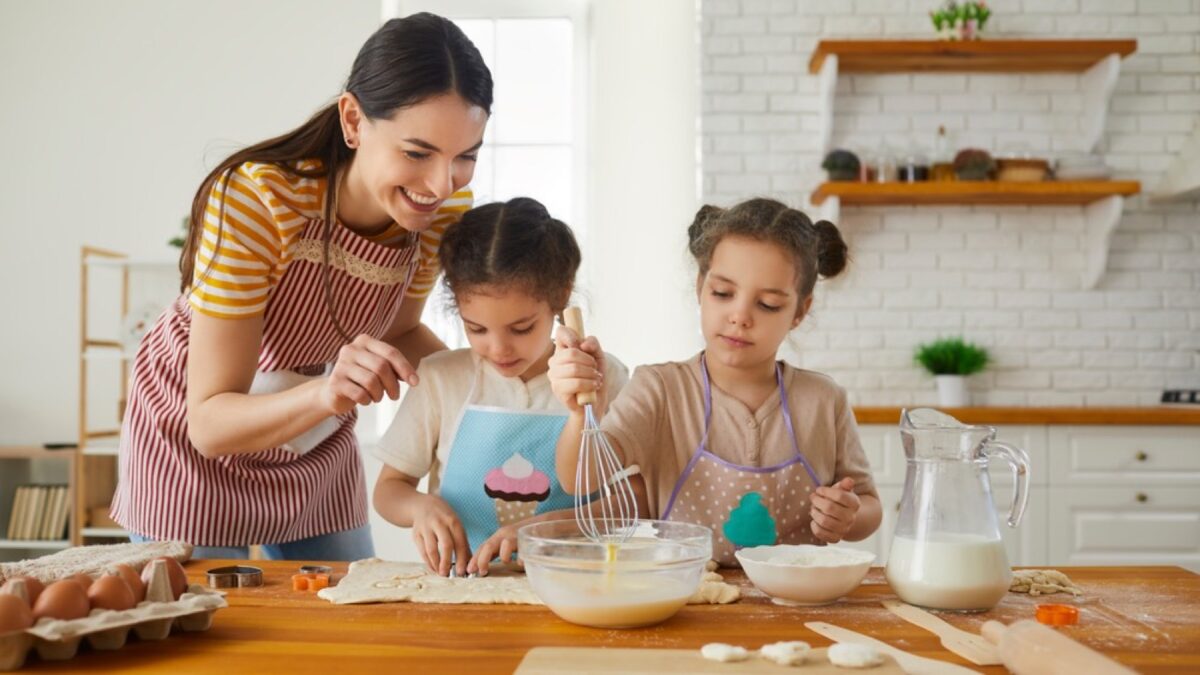
Many younger women find this frustrating, especially when they try to recreate a beloved family recipe. Baking, in particular, depends on precise measurements, and a little too much flour can ruin a cake. Still, plenty of daughters have come to appreciate this rule. Cooking by feel teaches confidence and creativity, and it is often the secret behind dishes that nobody can quite copy.
What Both Generations Get Right
When mothers and daughters compare notes, they often discover that they agree on more than they expected. Both generations want their families to eat well, and both take pride in feeding the people they love. The difference usually comes down to the tools, information, and time each woman had available when she was learning to cook.
Many of these old rules also reflect a deep respect for food that is worth keeping. Saving grease, cooking from scratch, and never wasting leftovers were survival skills for women who lived through hard times. Daughters who adopt those values, while updating the methods, often end up with the best of both worlds. It is the same spirit behind many of the housekeeping habits parents passed down, some of which still make perfect sense today.
The most important lesson may be to keep asking questions. A mother’s kitchen rules carry stories about where she came from and what she had to overcome. Writing those rules down, even the outdated ones, preserves a piece of family history for the next generation.
Old Rules, New Kitchens
Not every rule our mothers taught us was right, but most of them came from a good place. They were shaped by the tools, knowledge, and hardships of the time, and they helped women feed their families with care and very little money.
Every family’s kitchen has its own rulebook, and each generation adds a few pages. Ask your mother which of her rules she still swears by, and write her answers down while you can.