No Baseboard Heaters or Modern HVAC: 8 Surprising Ways Amish Families Keep Their Homes Warm All Winter
When winter arrives and temperatures begin dropping, most American households turn to their thermostats, central heating systems, or electric baseboard heaters. But in many Amish homes, staying warm looks surprisingly different.
Instead of relying on conventional electric heating systems, many Amish families use wood-burning stoves, coal heaters, gas-powered appliances, and traditional ways to circulate heat.
Their approach is closely connected to the Amish way of life, which generally emphasizes simplicity, community traditions, and careful decisions about modern technology. However, not every Amish community follows identical rules. Some permit certain modern conveniences, while others maintain much stricter restrictions.
What makes their heating arrangements particularly interesting is how they combine practical equipment with everyday household activities. A stove used to prepare dinner might also warm the kitchen, while another heating appliance in the basement helps keep the rooms above comfortable.
Here are eight ways Amish families keep their homes warm during the coldest months.
Wood-Burning Stoves That Become the Center of Winter Living
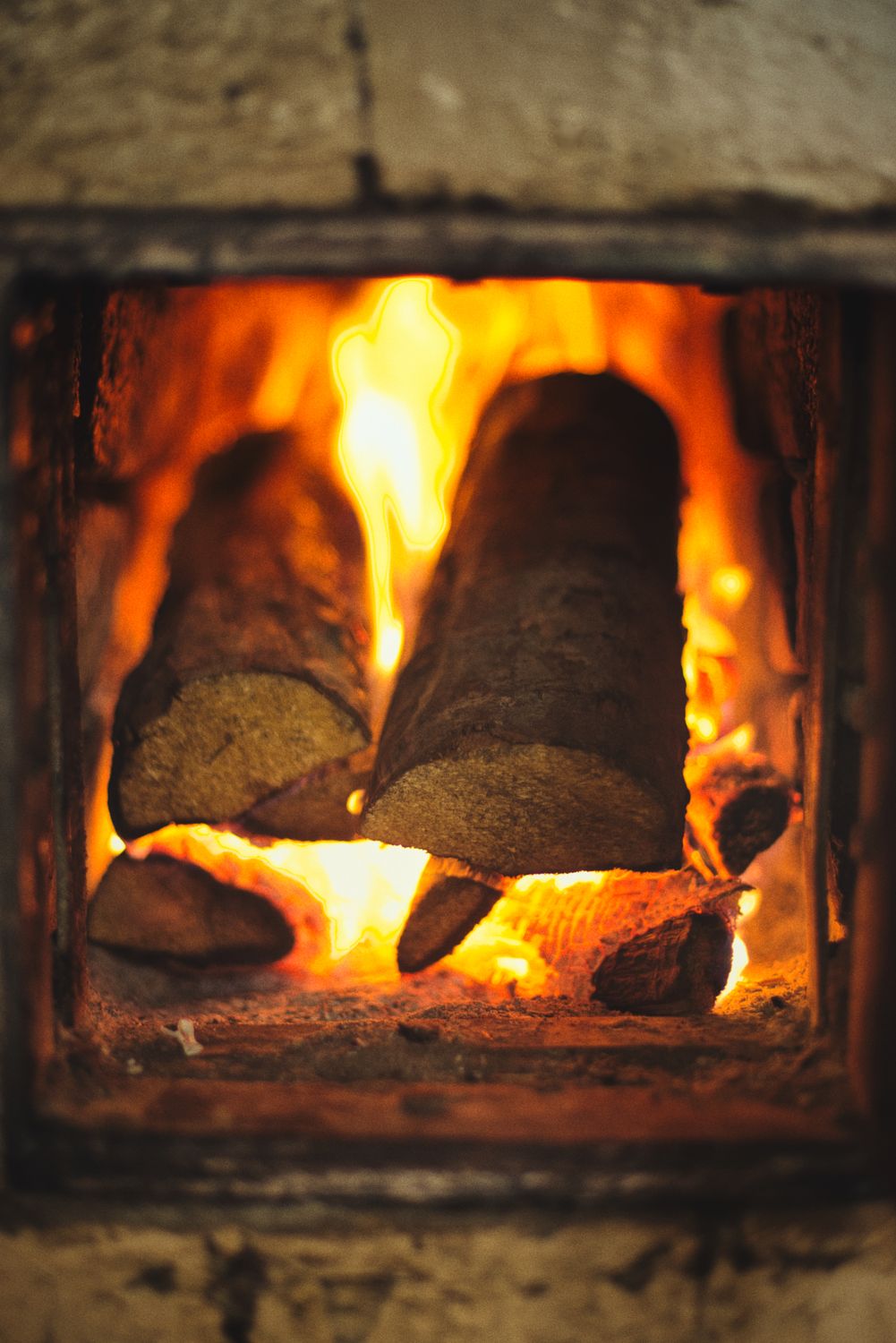
Wood-burning stoves are among the most recognizable heating appliances in Amish households.
Rather than relying on electric heaters, many families use heavy wood-burning stoves to generate warmth throughout the colder months. These appliances are commonly positioned in kitchens, living rooms, or basements.
The heat radiates from the stove into the surrounding space, making the room considerably more comfortable during freezing weather.
For families with access to woodland or farms, preparing firewood can become an important seasonal activity. Wood needs to be cut, split, stacked, and properly dried before it is ready for winter use.
This also means heating the home requires planning well before temperatures drop.
Instead of adjusting a thermostat, someone must monitor the fire, add fuel as needed, and remove accumulated ash.
Related: How to Install an Electric Baseboard Heater Thermostat
Coal Stoves That Provide Long-Lasting Heat
Wood is not the only traditional fuel used in Amish homes.
Some households, particularly in areas where coal is readily available, use coal-burning stoves to heat their living spaces.
Coal stoves can provide sustained heat and are especially useful during extended periods of freezing weather.
Some are installed in basements, while others are positioned in areas where the family spends much of its time.
The choice between wood and coal often depends on local availability, household preferences, the type of appliance, and the rules followed by the particular Amish community.
Coal heating also requires regular attention. Families must maintain the fire, manage fuel supplies, and remove ash.
For households accustomed to managing their own heating arrangements, these responsibilities are simply part of preparing for winter.
Basement Stoves That Send Warm Air Upstairs
One particularly interesting arrangement involves installing a heating stove in the basement.
At first, this might sound unusual. Why put the main heating appliance somewhere the family rarely spends time?
The answer lies in how the house is designed to distribute warmth.
In some Amish homes, basement stoves are fitted with arrangements that allow heated air to rise through large floor openings and vents.
Cold air can move downward through other openings, creating a natural circulation pattern.
As the air warms near the stove, it rises into the rooms above. Cooler air moves back toward the basement, where it can be reheated.
This arrangement reduces the need for conventional electric fans or complicated heating equipment.
The exact design differs from home to home, but it shows how traditional heating appliances can be built into a home’s structure to serve several rooms.
Wood-Burning Kitchen Stoves That Do Two Jobs
In many Amish households, the kitchen is more than a place to prepare meals. It can also be one of the warmest areas of the house during winter.
Wood-burning cookstoves offer a useful combination of cooking and heating.
These appliances let families prepare food, bake, and do other kitchen tasks while producing heat that spreads into surrounding rooms.
Some households also use traditional cookstoves for activities such as canning.
This arrangement makes practical use of the heat generated during everyday household activities.
Instead of using one appliance for cooking and another for heating, families can do both tasks with the same fuel source.
It is one reason the kitchen often becomes a natural gathering place during colder months.
Related: How to Organize a Small Kitchen
Propane and Natural Gas Heaters for Additional Warmth
Although wood and coal are important heating sources, not every Amish household depends exclusively on solid fuel.
Some communities permit propane and natural gas appliances, provided they meet the local church’s rules.
These heaters can provide additional warmth in rooms that are difficult to heat using a central wood or coal stove.
Propane-powered wall heaters, for example, can help warm particular living spaces without requiring a large wood-burning appliance in every room.
Natural gas and propane systems are also used in some households for other domestic purposes.
The key distinction is that Amish restrictions generally concern specific technologies and their perceived effects on community life, rather than a universal prohibition on every modern fuel or appliance.
Kerosene Heaters That Warm Individual Rooms
Kerosene is another fuel used in some Amish communities.
Certain households use kerosene-powered heaters to provide warmth without depending on conventional electric heating systems.
These appliances can be particularly useful when a family wants to warm a specific area rather than heat the entire house.
Kerosene heaters have also been documented in more conservative Amish communities.
Their use reflects the variety of approaches found across different settlements.
However, fuel-burning heaters require careful handling. Proper ventilation, equipment maintenance, and appropriate carbon monoxide protection are essential safety considerations.
They are not appliances to operate carelessly or without following the manufacturer’s instructions.
Gas-Powered Lamps That Produce More Than Light
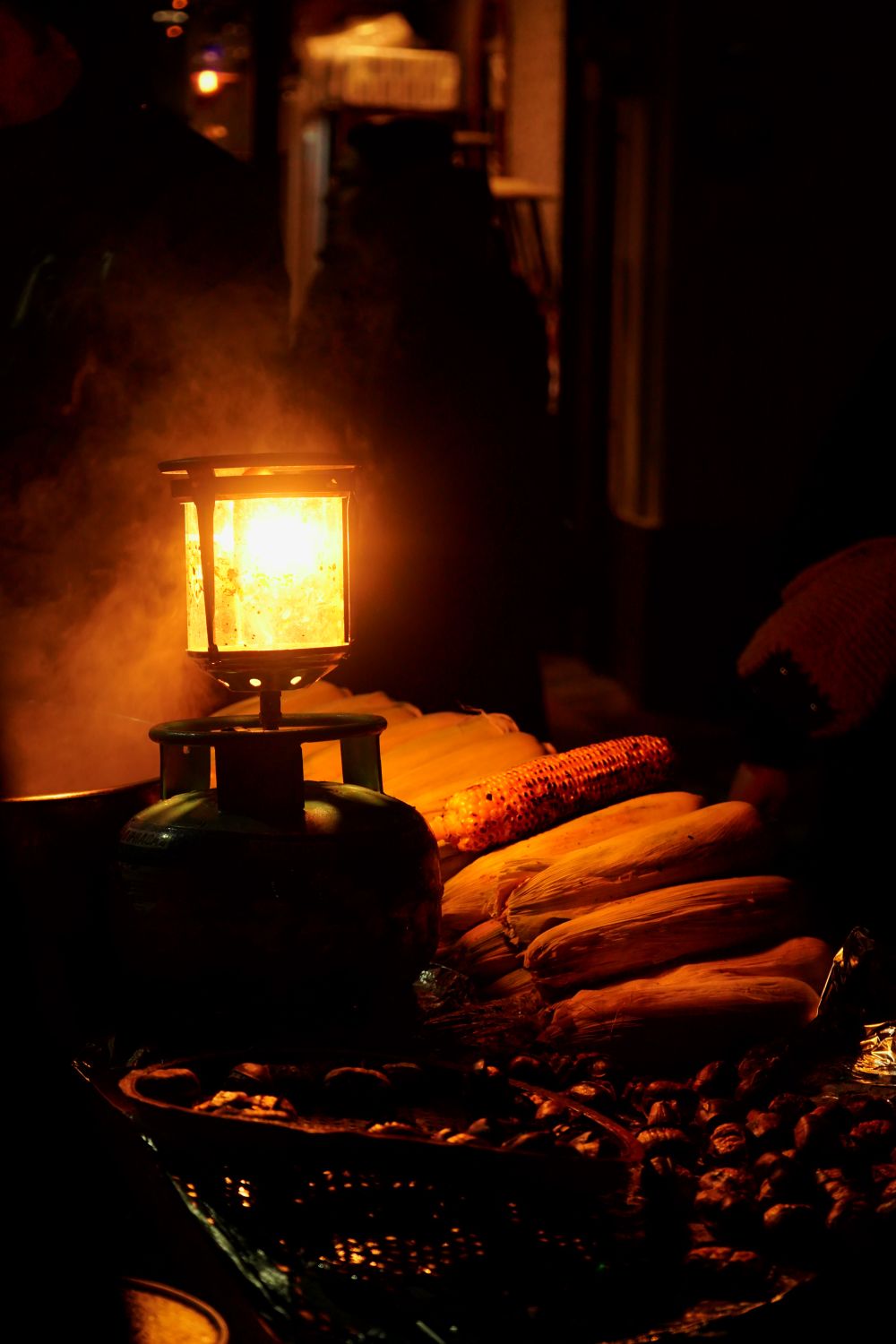
This is one of the more surprising details about heating in some Amish homes.
Certain gas-powered lighting systems produce considerable heat while illuminating a room.
These lamps can operate using fuels such as propane, natural gas, or other suitable liquid fuels.
A special mantle produces the light and becomes intensely bright when the burning fuel heats it.
An additional benefit is that the lamp releases heat into the surrounding space.
Although these lighting systems are not necessarily meant to replace a dedicated heating appliance, the warmth they generate can contribute to a room’s overall comfort.
It is an interesting example of how one household appliance can serve more than one practical purpose.
Heating Only the Rooms the Family Actually Uses
Perhaps one of the most interesting differences between some Amish households and conventional American homes is how they heat individual spaces.
Many modern households aim to maintain a relatively consistent temperature throughout the entire house.
Some Amish families take a different approach.
Rather than heating every bedroom, hallway, and unused room equally, they focus most of their heating on the kitchen and main living areas.
This is especially practical in larger homes, where heating every space would require a lot of fuel.
Bedrooms may remain noticeably cooler, and families rely on warm quilts, blankets, and appropriate winter clothing for extra comfort.
The arrangement also encourages family members to spend more time together in the warmer parts of the house.
This isn’t a rule every Amish family follows, but it shows how household routines can shape heating choices.
Related: 7 Simple Ways to Go Green with Your Cleaning Routine
Why the Amish Approach to Winter Heating Is So Different
The Amish do not all live by one identical set of rules. Their decisions about electricity, appliances, transportation, and household technology vary between communities.
However, many Old Order Amish households avoid connecting their homes to the public electrical grid. This helps explain their continued reliance on heating methods that do not require conventional electric systems.
Wood and coal stoves remain important because they provide dependable heat and fit established household practices.
Other families use propane, natural gas, or kerosene appliances where community rules permit.
What makes these arrangements particularly interesting is the emphasis on planning and practical resource use.
Firewood may be prepared months ahead of winter. Heating appliances are maintained regularly, and household members adjust their routines around the warmest areas of the home.
Their approach may look old-fashioned compared with modern HVAC systems, but it shows that keeping a house warm doesn’t depend on one particular technology.
Sometimes, the difference comes down to how a household uses the resources and equipment it already has.