8 Restaurant Traditions From the 1970s That Have Nearly Disappeared
Eating out in the 1970s was a different experience from what most people know today. There were no touchscreen kiosks, no QR code menus, and no apps telling you when your table would be ready. A night out often meant dressing up a little, being greeted by a host, and spending a couple of unhurried hours over dinner.
Many of the small rituals that made those meals special have faded over the decades. Some disappeared because of new laws, while others lost out to rising costs and changing tastes. Anyone who dined out back then will remember most of them. Here are eight restaurant traditions from the 1970s that have nearly disappeared, and what made each one memorable.
1. The Relish Tray
At many restaurants, dinner began with a relish tray. It arrived before the food, filled with carrot sticks, celery, radishes, olives, pickles, and sometimes cottage cheese or spreads. In some supper clubs, it came with a basket of crackers or breadsticks.
The relish tray was a small, free welcome that made diners feel cared for. Children nibbled on carrot sticks while waiting for their meal. Today, it is mostly found at old-fashioned supper clubs in places like Wisconsin, where some traditions never went away.
2. Salad Bars at Steakhouses
The salad bar was a big deal in the 1970s. Steakhouse chains like Sizzler, Ponderosa, and Bonanza made it a central part of the meal. Diners filled their plates with iceberg lettuce, shredded cheese, croutons, bacon bits, and a variety of dressings.
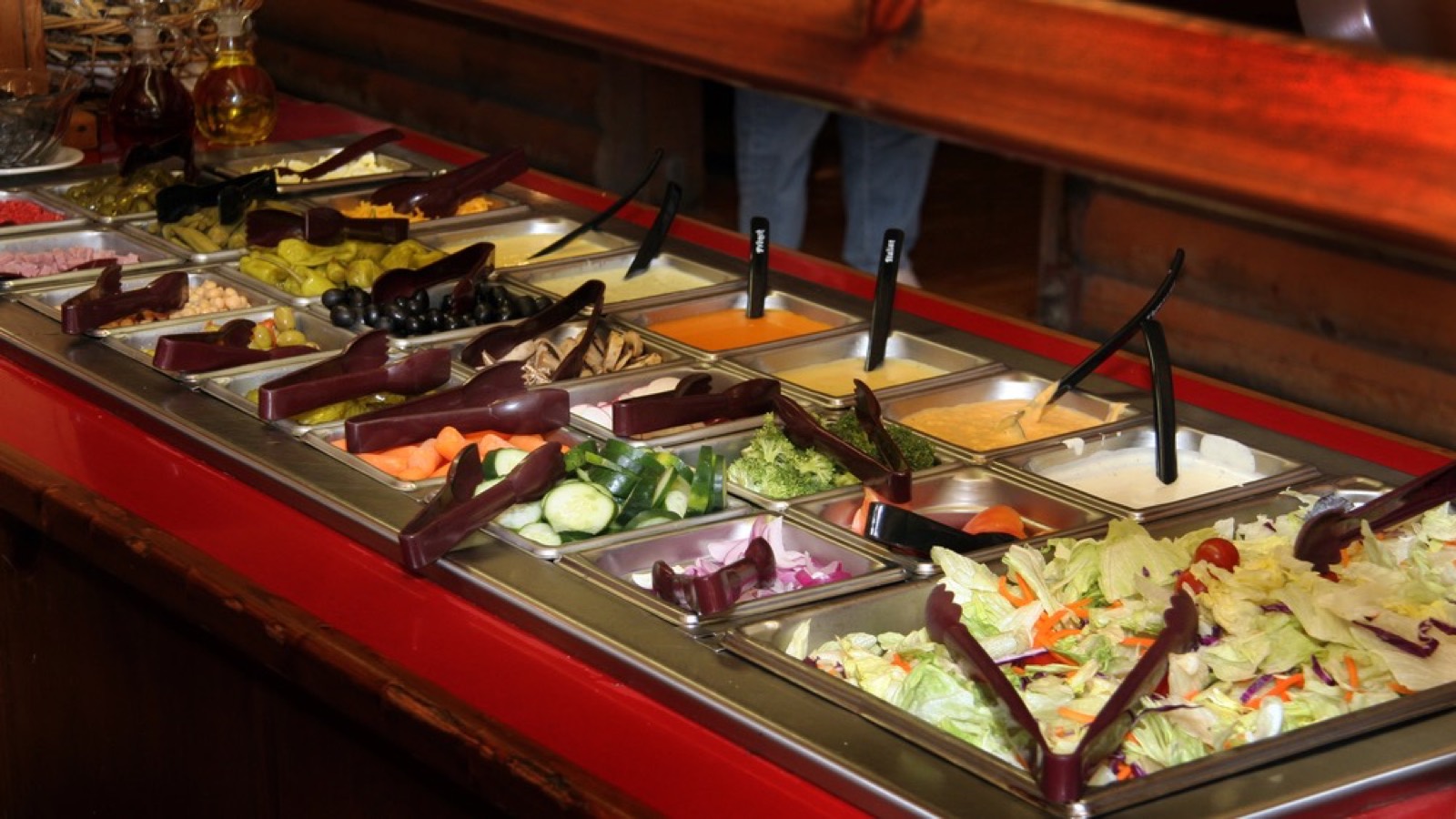
Going back for seconds felt like a small luxury. The salad bar also gave restaurants a way to offer more food without more cooking. Many salad bars disappeared over food safety concerns and rising costs, and the pandemic in 2020 pushed even more of them out.
For many families, the salad bar made dining out affordable. Parents could fill up on salad and soup while children chose exactly what they wanted. Some chains even let kids visit the salad bar for free, which made it a popular choice for big families on a budget.
3. The Smoking Section
In the 1970s, many restaurants simply asked, “Smoking or non-smoking?” Some didn’t separate smokers at all, and ashtrays sat on almost every table. After dinner, many diners lit a cigarette with their coffee.
Over the following decades, states and cities began banning smoking in restaurants. According to the CDC, there is no safe level of exposure to secondhand smoke. Today, a restaurant full of smoke would seem shocking, though older diners still remember how common it was.
4. The Dessert Cart
At many restaurants, dessert wasn’t chosen from a menu. A server wheeled a cart to the table, filled with cakes, pies, and pastries. Diners could see exactly what they were ordering, and the display was hard to resist.
The dessert cart added a sense of occasion to the end of the meal. Many diners who planned to skip dessert ended up ordering something. Today, it is a rare sight, mostly seen in old-school steakhouses and fine dining restaurants.
5. Tableside Preparation
In fancier restaurants, servers once prepared dishes right at the table. Caesar salads were tossed in a large wooden bowl, steak Diane was flambéed in a pan, and bananas Foster was set alight with a dramatic flourish. It was dinner and a show.
Tableside service required skilled staff and plenty of time. As restaurants tried to cut costs, many dropped these rituals. A few classic restaurants still offer them, and diners often remember the experience for years.
Tableside service also created a sense of trust between diners and staff. Guests could watch exactly how their food was made and ask questions along the way. Many people who experienced it as children still remember the flash of flames and the gasp from nearby tables.
6. Lunch Counters at Dime Stores
Many towns had lunch counters inside stores like Woolworth’s, Kresge’s, or the local pharmacy. Shoppers sat on spinning stools and ordered grilled cheese sandwiches, milkshakes, and slices of pie. It was quick, cheap, and friendly.
These counters were an important part of daily life in many communities. They also became a key part of civil rights history, including the 1960 Greensboro sit-ins. Most dime-store lunch counters closed as shopping malls and fast-food chains spread.
7. Cafeteria-Style Dining
Cafeteria chains like Luby’s, Morrison’s, and Furr’s were popular with families, especially after church on Sundays. Diners slid their trays down a long line, choosing from rows of fried fish, roast beef, vegetables, and desserts. Everything was in plain view.
Cafeterias were affordable and offered a wide variety of home-style food. Many older diners loved them for their familiar dishes and reasonable prices. Over time, many locations closed, though a few still survive in parts of the South and Texas.
Cafeterias were also important to older diners who lived alone. They offered a hot, balanced meal at a fair price, often with a friendly staff who knew regulars by name. For many retirees, the weekly cafeteria lunch was as much about company as it was about food.
8. The Bowl of After-Dinner Mints
On the way out of many restaurants, diners found a bowl of pastel mints near the cash register. Some places offered toothpicks or a little dish of candies. It was a small, sweet goodbye after the meal.
Many restaurants have stopped offering shared candy bowls, partly due to hygiene concerns. Some now hand out individually wrapped mints with the check instead. For older diners, though, a bowl of those soft, buttery mints is a fond memory.
What Makes Old Restaurants Memorable?
The restaurants of the 1970s were memorable because they made eating out feel special. Small touches like relish trays, dessert carts, and friendly counters created a sense of care. Many of those details have been replaced by speed and convenience.
Older diners still follow many unwritten restaurant rules that younger people may not know. Some of these traditions also fit into a list of old-school etiquette rules that have faded away. Which restaurant tradition from the 1970s do you miss most?