7 Ingredients Every Colonial Kitchen Had That We’d Barely Recognize
If you could step into an American kitchen in the 1700s, you’d find plenty that looks familiar. There would be bread, pies, stews and roasted meats, many of them the ancestors of dishes we still eat. But open the cupboards and you’d quickly be confused by the ingredients sitting on the shelves.
Colonial cooks didn’t have baking powder, granulated sugar in bags or bottles of vanilla extract. They worked with what they could make, trade for or preserve, and some of those ingredients sound downright strange today. Here are seven things nearly every colonial kitchen had on hand that most modern cooks would barely recognize.
1. Pearlash
Before baking soda and baking powder were common, colonial bakers had to get creative to make their breads and cakes rise. One of their solutions was pearlash, a refined form of potash made by processing wood ashes. When it reacted with something acidic, like sour milk, it produced gas that helped baked goods rise.
Pearlash made history in the first cookbook written by an American, Amelia Simmons’ American Cookery, published in 1796. Her recipes used pearlash for cookies and cakes, a uniquely American approach at the time. It was eventually replaced by baking soda, which was more reliable and didn’t leave a soapy taste.
2. Hartshorn
Hartshorn was another early leavening agent, and its name comes from the antlers of male deer, or harts, which were originally used to make it. Later, it was made chemically and is known today as baker’s ammonia, or ammonium carbonate. It helped cookies and crackers turn light and crisp.
When heated, hartshorn gives off a strong ammonia smell, which can surprise anyone baking with it for the first time. The odor bakes off, leaving a very crunchy texture. Some Scandinavian bakers still use it in traditional holiday cookies, so it hasn’t vanished entirely.
3. Loaf Sugar
Colonial households didn’t buy sugar in neat paper bags. Instead, refined sugar came in large, hard cones called sugarloaves, often wrapped in blue paper. A family might buy one cone and use it slowly over months.
To use it, cooks broke off pieces with special tools called sugar nippers, then crushed or grated the sugar as needed. Because refined sugar was expensive, it was often saved for special occasions or company. Seeing a whole sugarloaf on a kitchen table was a sign of a household with some means.
4. Molasses
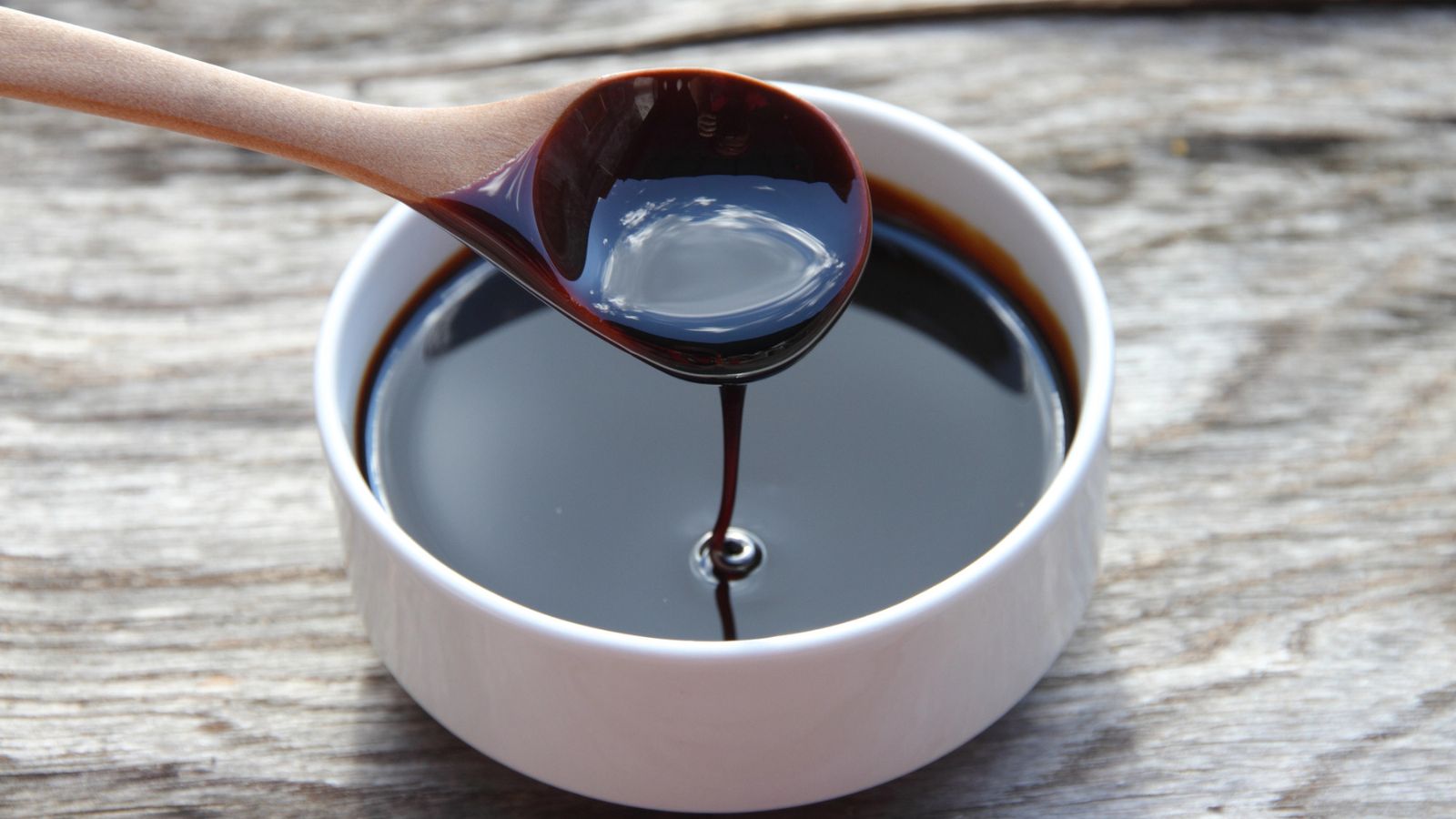
For many colonial families, molasses was the everyday sweetener because it was far cheaper than refined sugar. It went into breads, baked beans, puddings and gingerbread. It was also used to make rum, which played a huge role in colonial trade.
Molasses was so important that a British tax on it, the Molasses Act of 1733, angered many colonists. The trade in molasses was also tied to the brutal triangular trade that involved enslaved people. Today, molasses is mostly used in small amounts for baking, but in colonial kitchens it was a pantry essential.
5. Salt Pork
Without refrigeration, preserving meat was a constant challenge. Salt pork, fatty pork packed in salt or brine, could last for months and was a staple in nearly every colonial home. Families used it to flavor beans, soups, stews and greens.
Salt pork was also a key part of the rations carried by soldiers and sailors. Before cooking, it often had to be soaked to remove some of the salt. While you can still buy salt pork today, few people cook with it the way colonial families did every day.
6. Indian Meal
Colonists called cornmeal “Indian meal,” a name that reflected how much they had learned about corn from Native Americans. Corn grew well in the New World, and it became a cornerstone of the colonial diet. Indian meal went into johnnycakes, mush, breads and puddings.
One of the most famous colonial dishes is Indian pudding, a baked dessert of cornmeal, milk and molasses. It’s still served in parts of New England, especially around Thanksgiving. For most Americans today, though, the name and the dish are unfamiliar.
7. Rosewater
Before vanilla extract became widely available in the 1800s, rosewater was one of the most common flavorings in colonial baking. Made by steeping or distilling rose petals, it gave cakes, cookies and puddings a delicate floral taste. Many recipes from the period call for a spoonful of rosewater.
To modern cooks, the idea of rose-flavored pound cake might sound unusual. But it was a sign of refinement and was often used in special-occasion desserts. Rosewater is still popular in Middle Eastern and South Asian cooking, though it has largely disappeared from American baking.
How Colonial Cooks Made Do
Colonial kitchens revolved around the hearth, a large open fireplace where food was boiled, roasted and baked. Cooks used iron pots hung from cranes, Dutch ovens set among the coals and brick ovens built into the side of the fireplace. Controlling the heat took skill and constant attention.
Most families grew, raised or traded for much of what they ate. Gardens supplied vegetables and herbs, while chickens, pigs and cows provided eggs, meat and milk. Anything that couldn’t be eaten fresh was dried, salted, pickled or stored in a cool cellar for the winter.
Recipes were often passed down by memory rather than written in cookbooks. That’s one reason Amelia Simmons’ cookbook was such a milestone, since it captured American cooking at a time when the young country was still finding its identity.
What Colonial Cooking Teaches Us
Colonial cooks were remarkably resourceful. They used ashes to make leavening, preserved meat with salt and turned corn into dozens of different dishes. Every ingredient had to work hard, because waste was not an option.
Many modern kitchen staples evolved from these older ingredients. Baking soda replaced pearlash, granulated sugar replaced the sugarloaf and vanilla took over from rosewater. Looking back at colonial pantries shows just how much easier cooking has become.
If you’re curious about old-fashioned cooking, some historic sites and living history museums still demonstrate colonial recipes over open hearths. Trying a recipe like Indian pudding or rosewater cake can be a fun way to taste history. You may find that some of these forgotten ingredients deserve a second chance, much like the old traditions in this list of American traditions that deserve more appreciation.