“Zero Remorse. Zero Accountability.” Tulsi Gabbard Slams Anthony Fauci’s Senate Testimony as COVID Origins Debate Intensifies.
Years after COVID-19 changed the world, the battle over what happened behind the scenes has entered a new political chapter. Tulsi Gabbard’s explosive criticism of Dr. Anthony Fauci’s Senate testimony has reignited a fierce national debate over transparency, government responsibility, and the unanswered questions surrounding the pandemic’s origins.
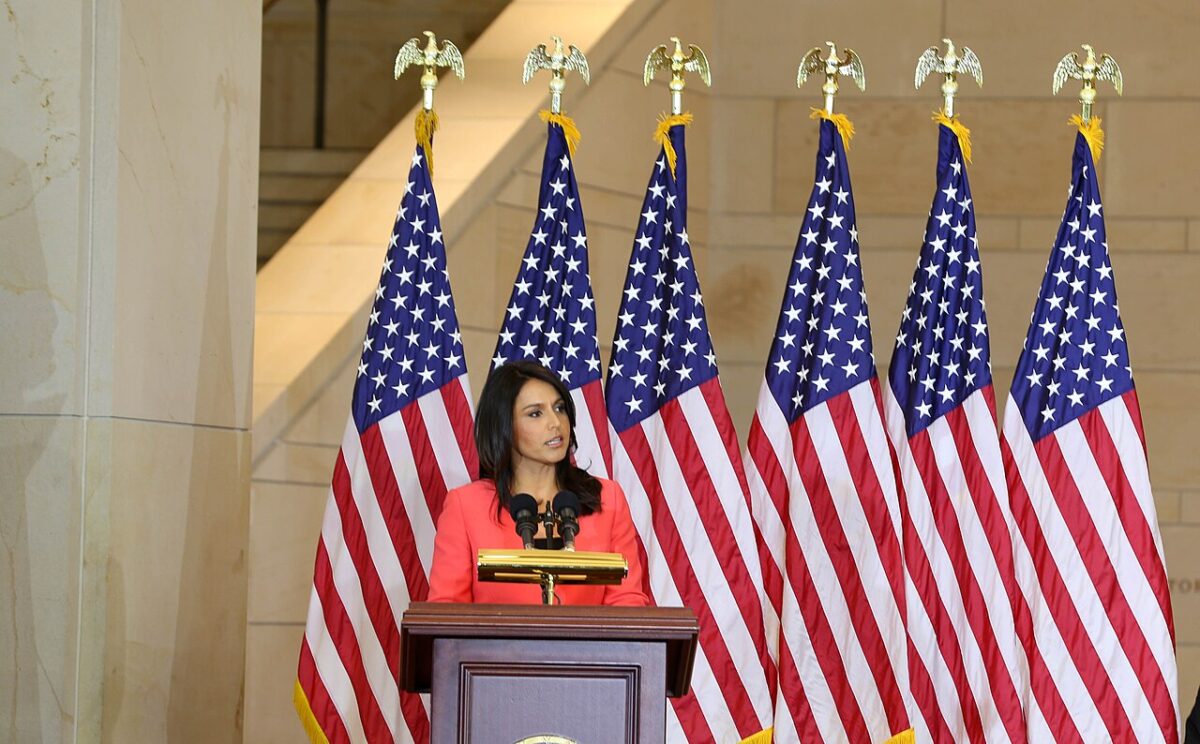
Gabbard, a former Democratic congresswoman who has become one of the most outspoken critics of Washington’s handling of major national issues, accused Fauci of failing to show accountability during his appearance before lawmakers. She argued that his testimony left many Americans searching for answers and frustrated over what she described as a refusal to accept responsibility.
“Zero remorse. Zero accountability,” Gabbard said while criticizing Fauci’s testimony, claiming that the former government health adviser did not adequately address concerns surrounding COVID-19 research, government funding, and decisions made during the pandemic.
Her remarks immediately drew attention because they focused on one of the most politically sensitive issues of the past decade: the origins of COVID 19 and whether government officials provided the public with complete information.
A Senate Hearing Rekindles a Fight That Never Fully Ended
The controversy surrounding Fauci and the pandemic response has continued long after emergency declarations ended. While much of daily life has returned to normal, questions about how COVID-19 began and how officials handled the crisis remain deeply divisive.
During Senate testimony, Fauci faced aggressive questioning from lawmakers over issues including research funding, communications with government agencies, and whether federal officials were transparent about scientific disagreements during the early stages of the pandemic.
Critics argued that Americans deserved clearer answers about research partnerships involving U.S. institutions and laboratories overseas. They questioned whether federal agencies properly monitored studies involving coronaviruses and whether officials were too quick to dismiss certain theories about the virus’s origins.
Fauci pushed back against accusations that he misled Congress or the public. He maintained that he acted according to the best scientific information available at the time and rejected claims that U.S. funded research caused the pandemic.
The hearing became another chapter in a long-running political battle over whether government leaders made mistakes during the crisis or became targets of unfair blame.
The Origins Question Continues to Divide Experts and Officials
At the center of the controversy is one unresolved question: how did COVID-19 begin?
Two major possibilities have dominated the discussion. One theory suggests the virus emerged naturally through animal transmission, similar to previous outbreaks of infectious diseases. Another possibility, known as the laboratory leak theory, suggests the virus may have accidentally escaped from a research facility.
The debate has remained unsettled because scientists and intelligence agencies have reached different assessments. For that reason, some government officials have said a laboratory incident remains possible, while others have placed more weight on natural origins.
The Federal Bureau of Investigation previously assessed with moderate confidence that a laboratory-related incident was the most likely explanation. Other U.S. intelligence agencies have leaned toward natural transmission or have remained uncertain.
The disagreement has fueled public frustration, especially among Americans who believe officials should have communicated uncertainty more openly during the early days of the pandemic.
Fauci Became the Face of America’s Pandemic Response
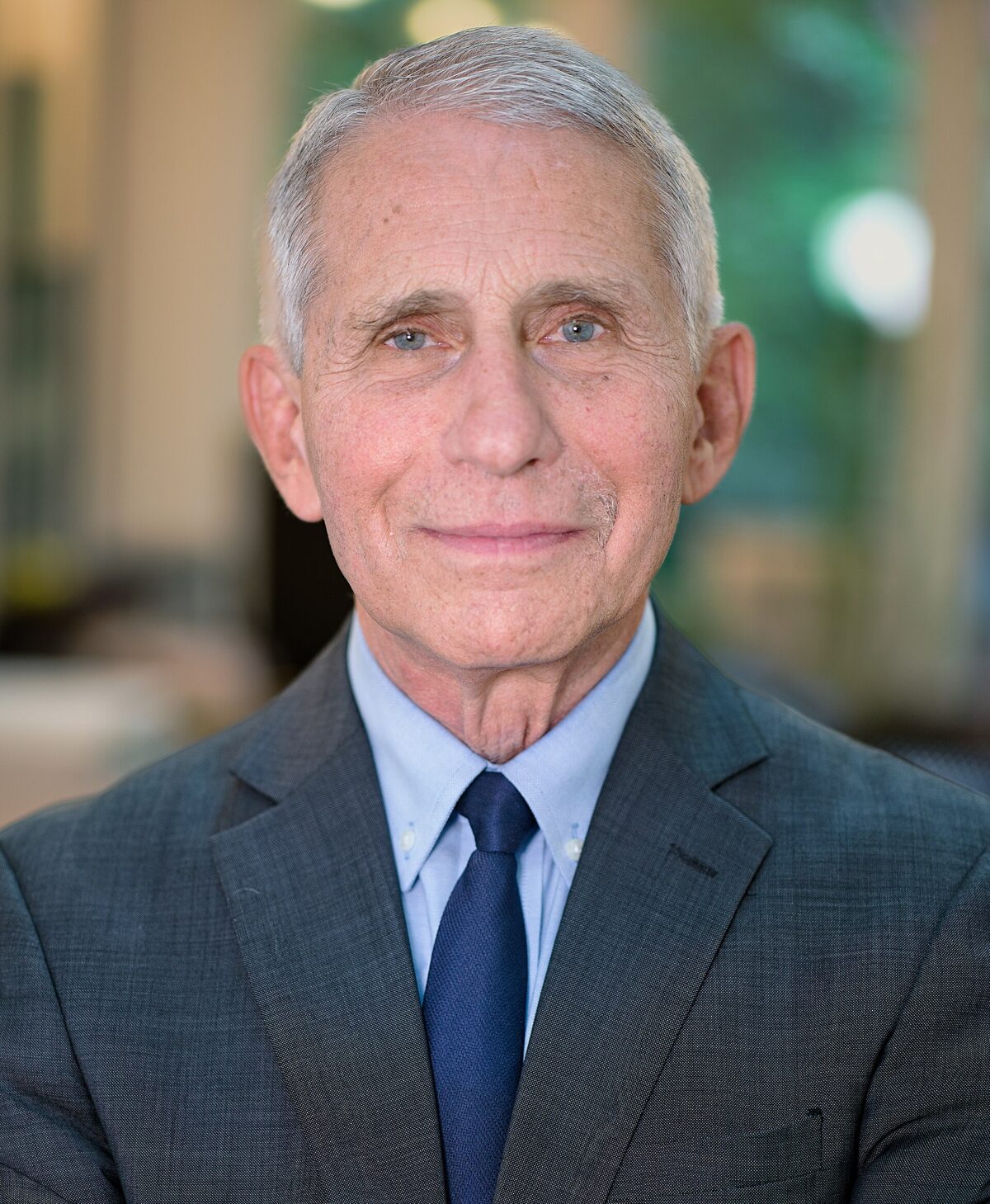
Few public officials became as closely associated with COVID-19 as Fauci.
As director of the National Institute of Allergy and Infectious Diseases for decades, Fauci was a familiar figure during televised briefings and public health announcements. Millions of Americans relied on his guidance during a period of fear, uncertainty, and rapid change.
Supporters credit him with helping communicate complex medical information during an unprecedented emergency. In their view, public health recommendations changed because scientists gained new knowledge about the virus, not because officials were dishonest.
However, critics say the changing guidance damaged public confidence. They point to disagreements over masks, lockdown policies, vaccine messaging, and research transparency as reasons many Americans became skeptical of federal health agencies.
Gabbard’s criticism reflects that broader frustration. Her argument is not only about scientific questions but also about whether leaders should acknowledge mistakes when their decisions affect millions of lives.
Research Funding Became a Major Point of Controversy
One of the most debated issues involves U.S. funding for international coronavirus research.
Critics have questioned whether American taxpayer money supported research that could have increased risks. They have focused heavily on studies involving coronaviruses and partnerships between American organizations and overseas laboratories.
Fauci has repeatedly denied that the U.S. government funded dangerous research that created COVID 19. He has also rejected claims that he attempted to hide information from Congress.
Supporters of Fauci argue that critics often simplify complex scientific research and ignore the safeguards involved in studying viruses. They say research on infectious diseases is necessary to prepare for future outbreaks.
The disagreement highlights a broader challenge: balancing scientific advancement with public concerns about safety and oversight.
Gabbard’s Attack Reflects Growing Distrust in Institutions
Gabbard’s comments have resonated with Americans who feel government institutions failed to provide enough transparency during the pandemic.
The former congresswoman has increasingly criticized powerful agencies and government officials, arguing that accountability should apply regardless of political affiliation.
Her comments about Fauci have become part of a larger national conversation about whether leaders should face consequences when public trust declines.
Many Americans remain divided. Some believe officials like Fauci should answer tougher questions about their decisions. Others argue that political investigations risk discouraging scientists and public servants from responding during future emergencies.
The disagreement shows how deeply COVID-19 changed the relationship between citizens and institutions.
A Debate That Continues Beyond Politics
The fight over Fauci’s testimony is unlikely to end soon. After all, the pandemic created questions that cannot be answered through political arguments alone.
Americans continue to debate what lessons should be learned from COVID-19. Those lessons include emergency preparedness, government transparency, scientific communication, and oversight of research programs.
Gabbard’s accusation of “zero remorse” and “zero accountability” represents the anger felt by many people who believe leaders have not fully addressed the consequences of pandemic decisions.
At the same time, Fauci’s defenders argue that judging decisions made during a global crisis requires understanding the uncertainty officials faced at the time.
The lasting impact of COVID-19 is not only measured by health statistics or economic damage. It is also measured by trust. When citizens lose confidence in institutions, rebuilding that relationship can take years.
As investigations continue and lawmakers revisit pandemic decisions, the debate surrounding Fauci, Gabbard, and COVID-19’s origins remains a defining issue in American politics.
For millions of Americans, the search for answers is not simply about the past. It is about ensuring that when the next crisis arrives, the public can trust the people responsible for guiding the nation through it, and that trust does not fail again.