11 Harsh Truths About Marriage After 30 Years That Couples Quietly Learn
Thirty years of marriage sounds like a love story from the outside. People imagine anniversary dinners, old photos, grown children, shared jokes, and the kind of bond that has already survived every storm worth naming.
But a long marriage has a private side that people rarely post about.
After three decades, love may still be there, but it often looks different from the version that walked down the aisle. The butterflies may be quieter, the patience may be thinner, and the history between two people can feel both comforting and heavy. Staying married for 30 years is not just about romance. It is about learning which truths still hurt, which ones still heal, and which ones can no longer be ignored.
The Same Old Arguments Do Not Disappear

Some arguments follow couples for decades. Money, housework, family boundaries, emotional distance, parenting choices, intimacy, and communication styles can keep returning in different outfits.
The painful truth is that time alone does not fix patterns. If two people keep having the same fight after 30 years, the issue may no longer be the topic. It may be the way both partners feel unheard, dismissed, or tired of trying to explain themselves.
Staying Together Is Not the Same as Staying Close
A couple can share a home, bills, children, grandchildren, holidays, and decades of memories without feeling emotionally close. From the outside, the marriage may look stable, but inside, both people may feel lonely.
This may be the hardest truth of all. Longevity is impressive, but closeness is the real measure. After 30 years, the question is not just whether two people stayed married. It is whether they still feel seen, valued, and chosen.
Friendship Becomes More Important Than Fireworks

In the early years, attraction may carry significant emotional weight. After 30 years, the marriage often depends more on friendship, trust, humor, and the comfort of being known without having to perform.
That can be beautiful, but it can also expose what is missing. If the couple never built a real friendship underneath the romance, later life can feel painfully quiet. Passion matters, but companionship often becomes the daily glue.
Silence Can Feel Peaceful Until It Turns Cold
Some couples stop fighting and mistake that silence for peace. They avoid hard topics, swallow disappointment, and tell themselves there is no point bringing up old pain after so many years.
But silence is not always healing. Sometimes it is emotional distance wearing polite clothes. A quiet house can still be full of resentment if both people have stopped telling the truth.
Retirement Can Expose Hidden Problems

Work can hide a lot of marital tension. Busy schedules, children, errands, bills, and routines can keep couples moving so fast that they do not notice how little they actually connect.
Then retirement or an empty nest changes everything. Suddenly, there is more time together and fewer distractions. That extra time can feel sweet for some couples, but for others, it exposes how much emotional distance has been covered by busyness.
Old Resentments Can Become Part of the Furniture
In long marriages, unresolved pain can become so familiar that both people stop noticing it. The old betrayal, the years of feeling unsupported, the harsh words, or the sacrifices that went unrecognized may sit quietly in the background.
That kind of resentment does not always explode. Sometimes it leaks into sarcasm, coldness, criticism, or emotional withdrawal. A marriage can last 30 years and still need repair work from wounds everyone pretended were already healed.
Adult Children Can Still Strain the Marriage

Many people think parenting stress ends when children grow up. In reality, adult children can still create tension through money needs, holiday plans, caregiving expectations, relationship drama, or disagreements about boundaries.
After 30 years, couples may discover they do not agree on how much help is too much. One partner may want to rescue, while the other wants limits. That difference can turn family love into a quiet marital fight.
Love Does Not Automatically Stay Alive
Many couples assume love will keep breathing on its own because it has already lasted so long. After 30 years, that belief can become dangerous because familiarity can quietly replace effort, curiosity, and tenderness.
A long marriage still needs attention. It needs small kindnesses, honest conversations, laughter, touch, patience, and moments where both people choose each other again. Time can prove commitment, but it cannot replace care.
Money Gets More Emotional With Age

Money problems after 30 years are not always about dollars. They are often about fear, control, security, regret, freedom, and whether both partners made fair sacrifices.
Retirement savings, medical bills, debt, spending habits, inheritance plans, and helping relatives can all become heavier later in life. A couple may survive decades together and still struggle to talk honestly about money without defensiveness.
You Can Change Into Different People
Nobody stays exactly the same for 30 years. Careers shift, beliefs evolve, bodies age, dreams change, grief reshapes people, and life teaches lessons that can make two partners feel less alike than they once were.
That does not mean the marriage has failed. It means the couple must keep meeting. The danger begins when one partner expects the other to stay frozen in an old version simply because it was easier to understand.
Physical Intimacy Changes and So Does the Meaning of Closeness
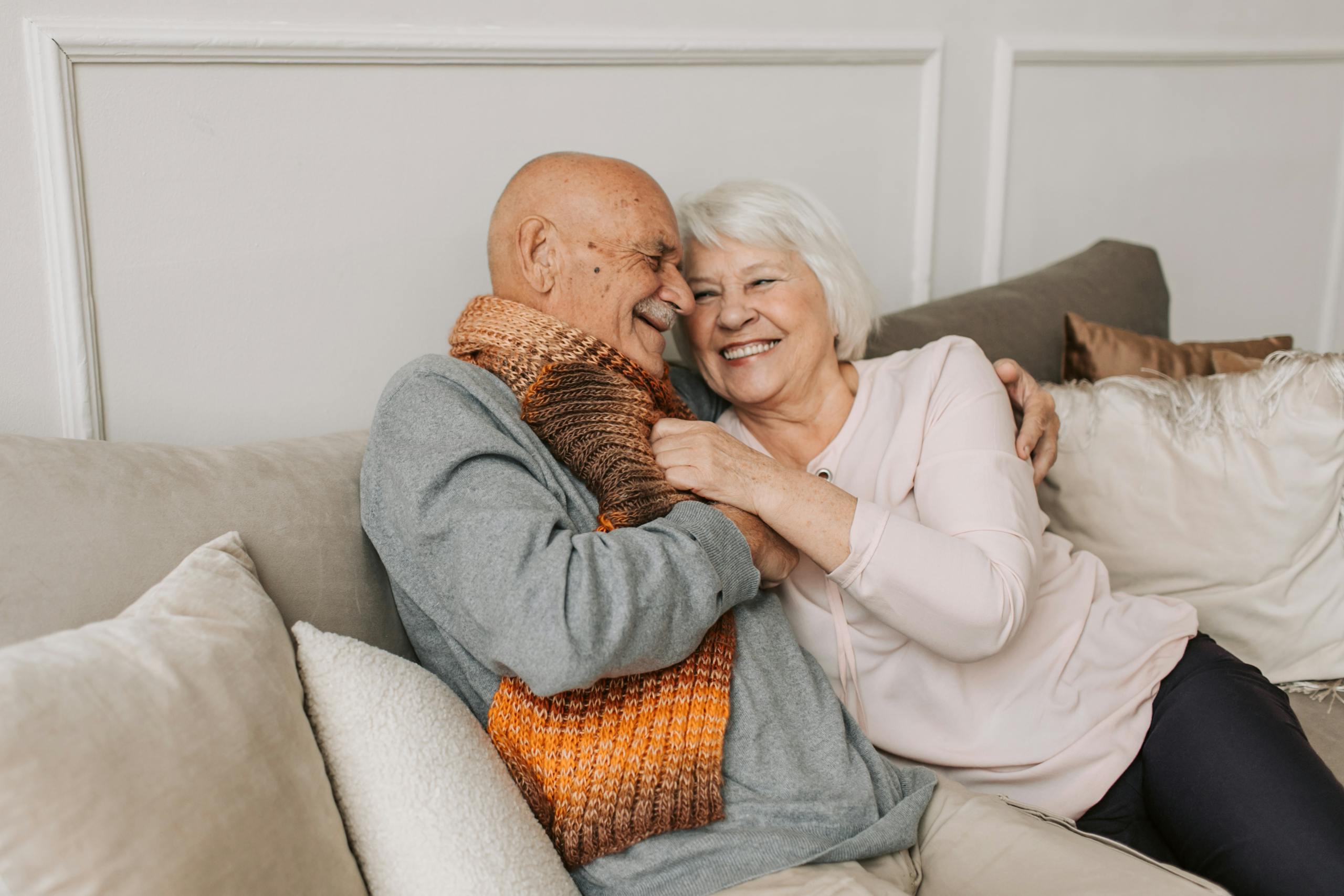
After 30 years, bodies change. Energy changes. Health, hormones, stress, medication, grief, and aging can affect physical intimacy in ways couples may feel embarrassed to discuss.
The harsh truth is that avoiding the topic can create more distance than the change itself. Intimacy does not have to look the same forever, but closeness still needs honesty, affection, patience, and a willingness to understand what each person needs now.
Final Thought
Marriage after 30 years can be tender, funny, loyal, and deeply meaningful. It can also be complicated, exhausting, and painfully honest in ways that younger couples may not yet understand.
The couples who survive with warmth are not the ones who pretend everything is perfect. They are the ones who keep talking, keep adjusting, keep forgiving, and keep learning how to love the person in front of them, not just the person they married decades ago.
A long marriage is not automatically a happy one. But with honesty, effort, and enough humility to keep growing, it can still become one of the strongest love stories two people ever built.