Your Future Self Wants You to Freeze These 10 Foods Before They Go to Waste
The freezer is not just a waiting room for ice cream and mystery leftovers. It can rescue ripe fruit, turn a half-used bunch of herbs into a future dinner shortcut, and keep an extra loaf of bread from going stale before you reach it. The trick is to freeze food while it is still in good condition, pack it properly, and know which ingredients will come back ready to eat, and which are better headed for a blender or a hot pan.
For food safety, set your freezer to 0°F or below and refrigerate or freeze perishable foods promptly. FoodSafety.gov says to do that within two hours, or within one hour if the food has been exposed to temperatures above 90°F. Freezer storage times generally describe how long food keeps its best quality, not a deadline after which continuously frozen food suddenly becomes unsafe. Label each package with its contents and the date, because “surprise container” is rarely a helpful dinner plan.
Freeze Produce Before It Fades

- Berries. If a carton of berries looks unlikely to survive the week, freezing it gives you another option for smoothies, baking, or spooning over a warm breakfast. Oregon State University Extension recommends freezing berries in a single layer before transferring them to freezer packaging, which helps prevent a solid block of fruit. Wash and prepare fruit before freezing, and use freezer-safe packaging with as much air removed as possible. Frozen berries will not have the texture of freshly picked ones once thawed, so choose their eventual use accordingly.
- Bananas. Those spotted bananas do not need to become banana bread tonight. Oregon State University Extension recommends peeling and mashing ripe bananas before freezing them; it also notes they can be frozen in their skins inside a freezer container. Portioning mashed banana before it goes into the freezer makes it easier to take out only what a recipe needs. If its appearance matters,the extension serviceoffers an ascorbic-acid treatment to help slow browning.
- Herbs. A recipe may ask for a handful of dill or basil, leaving the rest of the bunch to wilt in the refrigerator. University of Minnesota Extension recommends freezing whole leaves or sprigs in labeled bags, or chopping herbs and freezing them in ice cube trays with water. The frozen portions are handy when you want herb flavor in a cooked dish without buying another bunch. The extension service advises using frozen herbs within one year for best results.
- Onions. Chopping onions when you have time makes future cooking easier, and Oregon State University Extension includes onions among vegetables you can freeze. Freeze prepared portions in suitable freezer packaging, removing as much air as you can before sealing. They are a practical addition to dishes you’ll cook, such as soups and sauces. Don’t expect previously frozen onion to deliver the crisp bite you want in a raw salad.
- Vegetables you plan to cook. That extra produce can start another meal, but different vegetables need different preparation. Oregon State University Extension says most vegetables should be blanched, a short heat treatment, before freezing to help protect their flavor, color, texture, and nutritional quality. Follow the guidance for the specific vegetable, then cool it promptly in ice water, drain it, and package it for the freezer. Lettuce, raw cucumber and celery are poor candidates if you expect them to thaw into crisp salad ingredients.
Related: The Food Waste Problem Affecting American Communities
Save Tomorrow’s Dinner Tonight
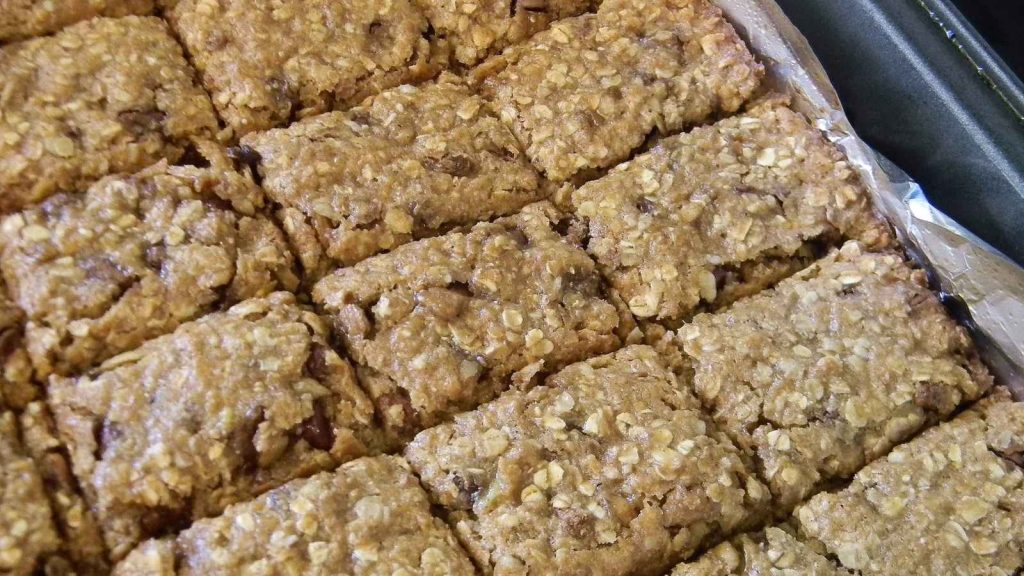
- Bread. If you bought more bread than you will finish, put some away while it is still worth saving. Penn State Extension lists bread among the everyday foods you can keep frozen, making an extra loaf more useful than a stale one on the counter. Wrap it well for freezer storage, and consider dividing it into the amounts you typically use at one time. Future-you can take out a portion rather than defrosting the whole loaf for one sandwich.
- Soup or stew. A large pot is excellent dinner insurance, as long as you handle the leftovers safely. FoodSafety.gov recommends dividing cooked food into smaller portions and shallow containers so it cools quickly, then refrigerating or freezing it promptly. Its cold-storage chart lists two to three months in the freezer for the best quality of soups and stews containing vegetables or meat. When reheating, bring soups and gravies to a rolling boil, as FoodSafety.gov advises.
- Cooked chicken. Extra cooked chicken can become a useful part of a meal you haven’t planned yet. Portion and freeze it within three to four days of cooking rather than leaving it in the refrigerator until its safe storage window has passed. FoodSafety.gov gives cooked meat or poultry a freezer quality range of two to six months and advises reheating leftovers to 165°F. Use shallow containers for prompt cooling, then label the portions so you know what is ready for a future meal.
- Raw ground meat. A package bought for tacos doesn’t have to become tacos immediately, but it shouldn’t linger in the refrigerator. FoodSafety.gov lists a refrigerator storage time of one to two days for raw ground meats and ground poultry, compared with a freezer quality range of three to four months. Freeze it promptly in portions that match how you cook, using leakproof packaging to keep raw meat contained. Thaw it safely in the refrigerator, not on the kitchen counter.
- Pesto. That small jar of homemade pesto is easy to forget after one pasta dinner. Oregon State University Extension says you can freeze pesto in ice cube trays, then transfer it to airtight freezer packaging once solid. This is also an important safety distinction: refrigerate homemade herb-and-oil mixtures for no more than four days, or freeze them for longer storage. A frozen portion can bring its flavor to a future meal without leaving a homemade oil mixture sitting around too long.
The best freezer habit is not filling every shelf at once; it is putting away food while it is still fresh enough to be worth eating later. Start with the berries, bread, or extra dinner you already have, package them in useful portions, and date them. You will still have to decide what to cook another night, but at least one part of dinner will already be waiting.
Other post you might like: