8 Alarming Signs Your Body Is Begging You to Quit Drinking
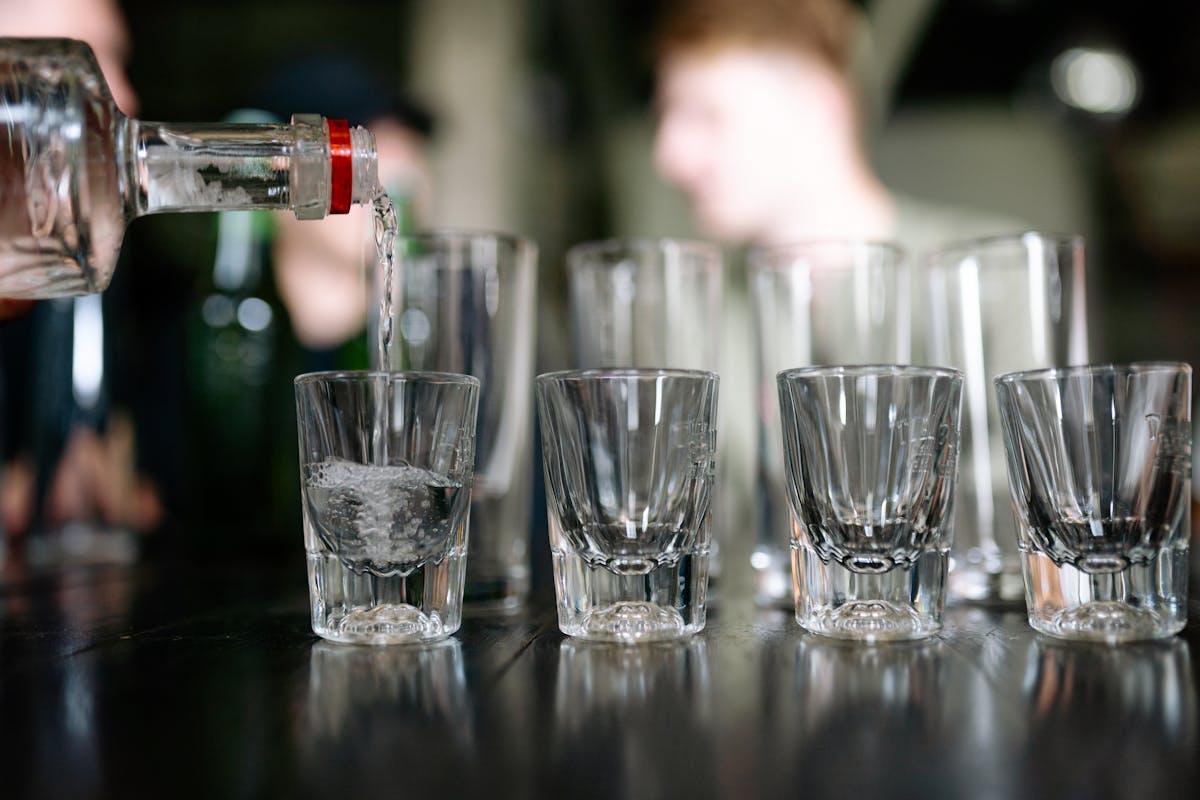
You might think a few drinks here and there are harmless, but your body rarely lies. Tiny signals, brain fog, shaky mornings, angry skin, and sudden cravings often appear long before serious health issues. Ignoring these red flags is easy, but each one is a whisper from your body that alcohol is no longer just recreation, it’s stress disguised as pleasure.
Spotting these warning signs early can save energy, mood, relationships, and even your long-term health. Below, we break down the eight clearest signals that alcohol is doing more harm than good and what they might mean for your body and life.
Your Sleep Feels Fragile
Alcohol can make falling asleep seem effortless, but it disrupts deep sleep cycles that repair your body and mind. You may wake repeatedly, sweat, or feel unreasonably tired despite enough hours in bed. Chronic alcohol-related sleep disruption can worsen memory, concentration, and emotional resilience. If mornings feel like punishment rather than refreshment, your body is signaling that the drink is sabotaging rest rather than enhancing it.
Your Stomach Is Constantly Unsettled

Persistent bloating, acid reflux, nausea, or bathroom urgency could be your digestive system signaling that you’re under stress. Alcohol irritates the gut lining, destabilizes stomach acid, and disrupts the microbiome. Over time, this can lead to gastritis, ulcers, or chronic inflammation. Feeling that “burn” after meals is your body hinting that drinking has crossed from occasional indulgence into digestive strain.
Your Moods Are Rollercoastering
Mood swings, unexplained anxiety, or sudden irritability after drinking are more than a coincidence. Alcohol alters neurotransmitters like serotonin and dopamine, making emotional regulation harder the next day. Regular patterns of post-drinking gloom may indicate your brain chemistry is compensating for alcohol’s short-term “boost.” Ignoring this signal can prolong emotional lows and increase vulnerability to depression.
Your Skin Looks Worse by the Day
Redness, puffiness, or dull, sagging skin can signal chronic dehydration and inflammation from alcohol. Even occasional drinks magnify visible signs, especially under stress or sleep deprivation. Skin often shows the earliest consequences of lifestyle choices. A tired, blotchy face can reveal much more than a late night; it’s your body’s first billboard, warning you that internal systems are taxed.
Your Energy Is Slowly Draining
If you struggle to get through a normal workday without caffeine or sugar boosts, alcohol may be silently stealing your stamina. Processing ethanol taxes the liver and central nervous system, leaving the body fatigued and foggy. What feels like normal tiredness might actually be chronic depletion. Noticing this energy deficit early can prevent burnout and long-term metabolic strain.

Cravings Are Taking Over
When alcohol moves from occasional choice to habitual need, your brain starts associating it with reward, stress relief, or escape. Early warning signs include pouring drinks earlier than planned, thinking about alcohol constantly, or feeling irritable when it’s unavailable. This shift reflects how addiction can sneak into daily routines, often without conscious awareness. Recognizing cravings is key before a habit solidifies into dependence.
Withdrawal Symptoms Show Up
Shaking, sweating, nausea, rapid heartbeat, or anxiety when skipping a drink are serious signals of alcohol dependence. These reactions aren’t just discomfort; they can indicate physical dependence that may require medical supervision to manage safely. Ignoring these symptoms is risky; your body is screaming for a reset, and professional guidance can prevent dangerous complications.
Life Begins Revolving Around Drinking

The most insidious warning is when alcohol subtly dictates your daily schedule, priorities, and social interactions. Missed work deadlines, forgotten commitments, secretive drinking, and dwindling hobbies signal lifestyle takeover. At this point, the impact extends beyond physical health. Alcohol is quietly reshaping your relationships, career, and personal goals. Catching this before it escalates preserves freedom and stability.
Even occasional alcohol consumption can quietly add up to a pattern that harms your body and life. Watching for these signs and responding early can protect energy, mood, and long-term health. A break, lifestyle shift, or consultation with a healthcare professional may be the smartest move you make this year.