The Dinner Table Is Changing: How New York Families Are Eating Differently Than 10 Years Ago
A decade ago, a typical family dinner in New York might have meant groceries bought at a neighborhood supermarket, a meal cooked at home, and everyone sitting down around roughly the same time. That picture has not disappeared. In fact, home-cooked food remains central to American eating habits. But the choices surrounding dinner have expanded dramatically.
Today, families can move between home cooking, restaurant takeout, app-based delivery, prepared supermarket meals, meal kits, and online grocery orders, sometimes within the same week. Dietary preferences have also become more visible, while smartphones increasingly influence what families buy, where they buy it, and how quickly dinner reaches the table.
No single official survey tracks New York family dinners continuously over the past decade. Still, data from New York City agencies, the U.S. Department of Agriculture, Pew Research Center, and other studies show several clear changes in the environment surrounding the family meal.
Home Cooking Is Still Important
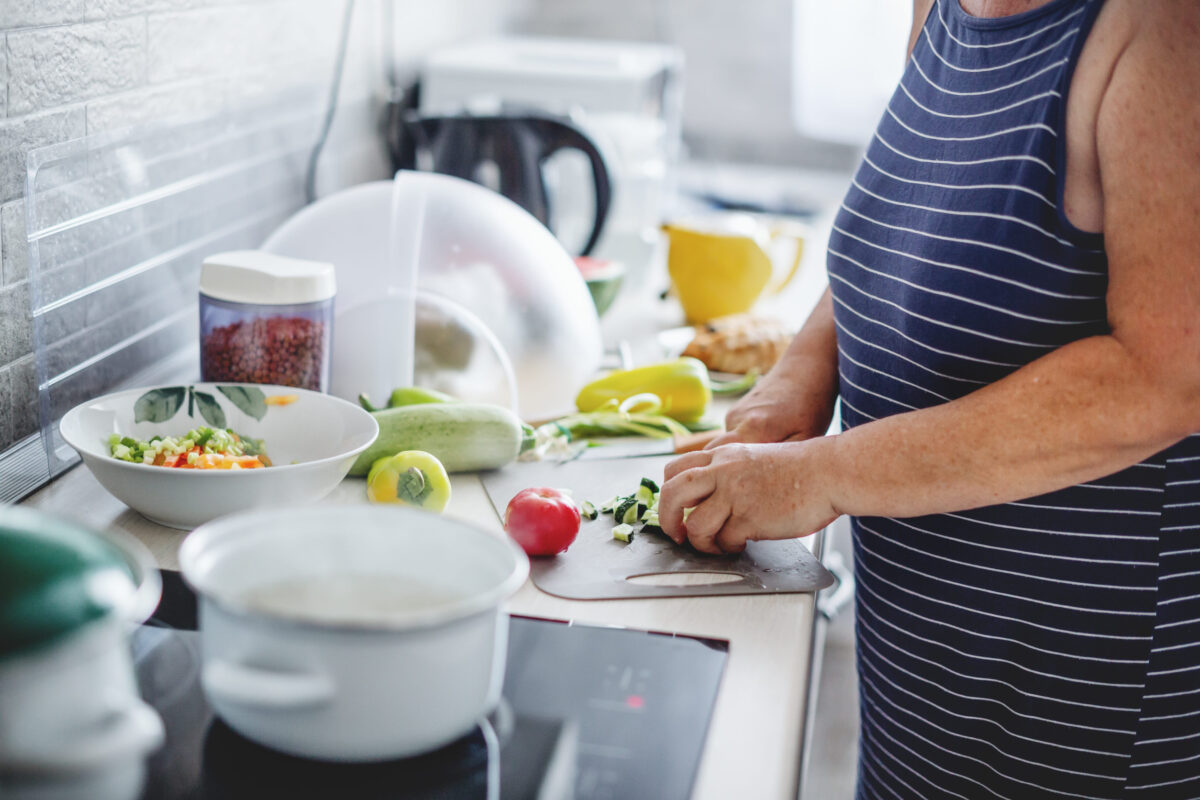
Technology and delivery services may receive much of the attention, but Americans have not abandoned their kitchens.
A 2025 Pew Research Center survey found that 88 percent of U.S. adults eat a home-cooked meal at least a few times a week. By comparison, 17 percent order takeout or delivery that often, while 12 percent eat at restaurants at least a few times each week.
Home cooking has also long been associated with better diet quality. USDA research has found that food obtained from grocery stores and other retailers for home preparation generally has higher dietary quality than food obtained from restaurants and fast-food establishments.
What has changed is that cooking at home is no longer the only practical alternative to sitting in a restaurant. Families now have a much larger range of convenient options that blur the distinction between homemade food and eating out.
Prepared foods are one example. New York retailers increasingly sell complete meals that require little or no cooking, allowing households to eat at home without preparing dinner from scratch. Recent reporting on New York City’s prepared-food market describes growing demand for ready-to-eat meals from grocery stores and specialty food retailers, particularly among customers seeking convenience.
Takeout Has Become Digital
Perhaps the most visible transformation involves takeout.
Ten years ago, ordering dinner might have involved calling a restaurant directly or walking to a familiar neighborhood spot. Today, a smartphone can display hundreds of menus, prices, ratings, and delivery estimates in seconds.
New York City data demonstrate how firmly app-based delivery has become part of the food system. In the first quarter of 2024, restaurant delivery workers completed more than 2.77 million deliveries per week through covered apps, an 8 percent increase from the same quarter in 2023.
The numbers remained substantial later that year. During the third quarter of 2024, workers completed approximately 2.54 million deliveries per week through covered delivery platforms. The city’s figures include major platforms such as DoorDash, Grubhub, Uber Eats, and several others.
National data also show that restaurant delivery remained important after the extraordinary conditions of the COVID-19 pandemic. USDA researchers found that spending through restaurant delivery services became far more common early in the pandemic and remained popular through 2022.
For families, this means restaurant food is no longer necessarily connected to a night out. Pizza, noodles, salads, or full restaurant meals can arrive at the same dining table where a home-cooked dinner was served the previous evening.
Convenience Now Competes With Cost
The expansion of food delivery has not eliminated one of the oldest considerations in family meal planning: price.
Pew’s 2025 survey found that convenience strongly affects takeout behavior. Among Americans who considered convenience extremely or very important when deciding what to eat, 23 percent ordered takeout or delivery at least a few times a week.
At the same time, food has become substantially more expensive for New York households. According to the New York State Comptroller, food prices in the New York City metropolitan area rose 25.2 percent between 2019 and 2024. The city’s own 2025 food report, using September Consumer Price Index data, estimated that metro-area food prices were about 30 percent above their 2019 level by September 2025.
Those increases affect both groceries and restaurant meals. They also mean convenience must be balanced against delivery charges, restaurant prices, and household budgets.
In the third quarter of 2024, New York City’s covered delivery apps charged consumers an average of $7.77 in fees per delivery, excluding the underlying food subtotal.
The result is not simply a shift from cooking to delivery. Families increasingly have a spectrum of options, with price, available time, and convenience influencing the decision each night.
Related article: boomer-cooking-habits-that-younger-generations-dont-get/
Dietary Preferences Are Becoming More Visible

The modern New York dinner table is also being shaped by changing attitudes toward health and plant-based foods.
Nationally, health remains an important consideration. Pew found in 2025 that about half of Americans considered the healthiness of food a high priority when deciding what to eat. However, taste remained more important, with 83 percent identifying it as a high priority.
New York City has also incorporated plant-based eating into its public food policies. In 2022, the city revised standards for meals served by city agencies to limit meat and increase plant-based choices. Research published in Health Affairs in 2026 examined those changes across agencies responsible for most city-served meals.
Public hospitals offer another measurable example. According to NYC Food Policy data, the city’s 11 public hospitals made culturally diverse plant-based meals the primary dinner option. Between January and September 2024, 687,581 plant-based meals were served, accounting for 51 percent of meal uptake.
These institutional figures cannot tell us exactly how many New York families have become vegetarian or vegan. They do, however, show that plant-based meals have moved into mainstream public food service in a way that was less prominent a decade ago.
The Smartphone Has Joined the Dinner Table
The biggest difference between family eating in 2016 and today is not a particular dish. It is the technology surrounding the meal.
New Yorkers can now use phones to order restaurant meals, arrange grocery delivery, compare menus, pay digitally, and follow deliveries in real time. Research based on a New York City panel during the pandemic found substantial use of both restaurant delivery and grocery delivery, illustrating how digital purchasing became integrated into everyday food shopping.
Technology has therefore changed more than how food arrives. It has increased the number of choices available when a family asks the familiar question, “What’s for dinner?”
The answer might still be a pot of pasta cooked at home. It could also be a supermarket-prepared meal, restaurant food collected on the way home, or an order placed from the sofa.
Family dinner hasn’t vanished in New York. Instead, the routes leading to the dinner table have multiplied. Home cooking remains dominant, but delivery platforms, prepared foods, health considerations, plant-based options, and digital ordering have made eating more flexible than it was a decade ago.
For New York families, the modern dinner table is less defined by where the meal was made and increasingly defined by how households balance time, cost, health, taste, and convenience.
Other articles you may like:
– 8-things-boomers-did-at-the-dinner-table-that-families-rarely-do-now/
–10-best-easy-dinner-recipes-for-families/
– the-grocery-store-switch-that-could-help-americans-cut-food-costs-without-giving-up-dinner-at-home-in-2026/