How Gen Z Is Reshaping Fast Casual Menus in 2026
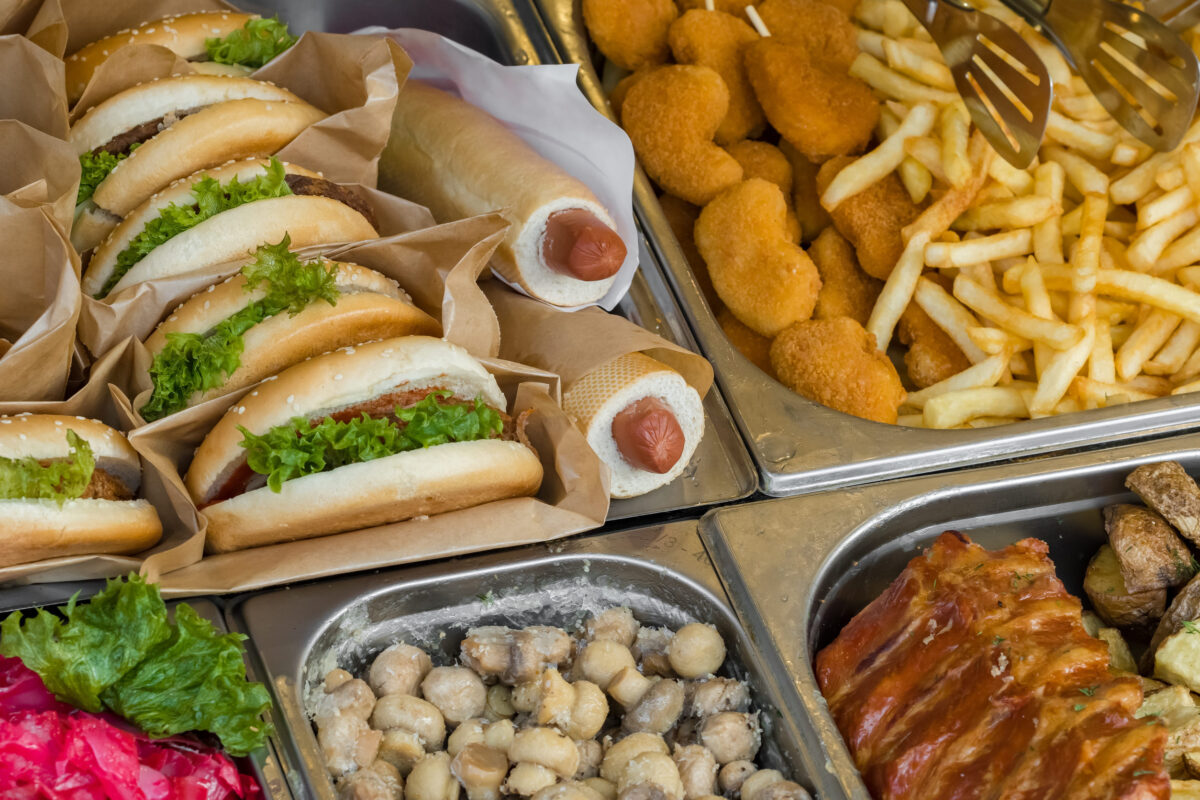
Walk into almost any fast casual restaurant right now- Chipotle, Cava, Sweetgreen- and the menu board tells a story that has very little to do with what a restaurant used to look like a decade ago. Bowls instead of plates. A build-your-own line instead of a fixed entrée.
A flavor combination that would have seemed random in 2015 and now reads as completely normal.
That shift didn’t happen by accident. It happened because the generation currently doing most of the ordering, people roughly in their teens through late 20s, wants something fundamentally different out of a quick meal than the generations before them did.
And fast casual chains, built for speed and customization from the start, have proven best positioned to deliver it.
Control Over the Order Matters More Than the Menu Itself
If there’s one thing nearly every fast casual success story has in common, it’s letting the customer build their own plate. According to TechRyde’s breakdown of Gen Z dining habits, Chipotle built its model around letting customers customize burritos, bowls, and tacos item by item, while Sweetgreen leaned into locally sourced ingredients within the same build-your-own format.
Cava follows a nearly identical playbook with Mediterranean ingredients instead of Tex-Mex ones.
The appeal isn’t just variety for its own sake. It’s that a generation raised on endless personalization online, playlists, feeds, algorithms built around individual taste, expects that same control to show up at the counter.
A fixed menu with no room to adjust it feels increasingly out of step with how people in their 20s actually want to interact with a brand.
Bold, Borderless Flavors Are the New Default
The days of a “safe” fast casual menu are fading fast. A report from Unilever Food Solutions describes this shift as “Borderless Cuisine,” blending techniques and ingredients from different food cultures into something that wouldn’t have fit neatly on a menu a few years ago.
Gen Z diners, the report notes, see trying a bold, globally inspired dish as an affordable kind of indulgence, a way to feel adventurous without the price tag of a sit-down restaurant.
Related: 11 Strange Foods Americans Ate During the Great Depression That Would Shock People Today
That appetite for genuine variety shows up in the numbers, too. Research cited by fast casual franchise Breadless found that roughly 73% of Gen Z consumers say they actively like trying new cuisines.
It’s part of why a single fast casual menu might now include Caribbean jerk chicken, Mediterranean falafel, and American braised beef side by side, something that would have read as a confused menu a decade ago and now reads as normal variety.
Value Still Wins, Even When the Food Gets More Adventurous
Here’s the part that might seem contradictory at first: this is also a generation watching every dollar. FastCasual.com’s 2026 State of the Industry report found that 65% of Gen Z diners say they’re specifically looking for deals and incentives when deciding where to eat, which has pushed chains toward dynamic pricing, offering lower prices during slower hours to capture budget-conscious customers who might otherwise skip the visit entirely.
That same report found that 70% of consumers, led overwhelmingly by Gen Z and millennials, say a restaurant’s approach to sustainability and waste meaningfully influences where they choose to spend money.
Put those two data points together, and a pattern emerges: this generation wants bold, interesting food and a brand that seems to care about its impact, but they’re not willing to overpay for either one. Fast casual, with its lower price point than full-service dining, is exactly the format built to deliver both at once.
Personalization Is Becoming the Real Battleground
Beyond the menu itself, the way customers interact with a brand is shifting too. Loyalty programs that treat every customer the same are starting to feel outdated. Chains increasingly use order history and app data to tailor what a customer sees the moment they open the app, moving away from one-size-fits-all rewards and toward something built around an individual rather than a mass audience.
That shift mirrors exactly what’s happening on the menu board. Just as Gen Z wants control over what goes into their bowl, they’re coming to expect the entire ordering experience deals, recommendations, loyalty perks to feel like it was built with them specifically in mind rather than handed down from a corporate template.
What This Actually Means for the Industry
None of these shifts are happening in isolation. A Gen Z customer who wants a bold, global flavor combination also wants to build it themselves, wants it to come in under a certain price point, and wants the ordering experience itself to feel personal rather than generic. Any one of those alone wouldn’t force much change.
All of them together are exactly why fast casual menus, and the apps built around them, look so different today than they did even five years ago.
The chains getting this right aren’t necessarily the ones with the flashiest limited-time item. They’re the ones that figured out how to make customization, global flavor, value, and a personalized ordering experience all live together without the whole thing collapsing into chaos. That balancing act, more than any single dish, is the real story of fast casual in 2026.