San Francisco Caltrain Platform Death Investigation Raises New Questions About Transit Safety After Man Found Dead
A routine morning commute changed into a serious emergency response after a San Francisco Caltrain platform death investigation began when a man was found dead at the 22nd Street station. The discovery shocked commuters who arrived expecting a normal trip and instead encountered police officers, emergency crews, and a growing investigation into what happened.
The man was found on the Caltrain platform in San Francisco on Saturday morning, according to authorities. Emergency responders attempted to provide assistance, but the man was pronounced dead at the scene. Officials have not released his identity, the circumstances surrounding his death, or the official cause.
The incident has drawn attention beyond the immediate investigation because it occurred in a busy public transportation environment. While authorities have confirmed that the death was not caused by a train collision, the discovery has renewed conversations about emergency response, public safety and the challenges of protecting people in shared urban spaces.
As investigators work to determine the facts, the San Francisco Caltrain platform death remains a case filled with unanswered questions. Who was the man? What happened before emergency crews arrived? Could anyone have recognized the warning signs earlier? Those questions now sit at the center of an investigation that continues to unfold.
A Normal Transit Morning Becomes a Scene of Uncertainty

The 22nd Street Caltrain station is normally a place defined by movement. Passengers arrive, trains stop, commuters check schedules, and the rhythm of daily life continues. On this morning, however, the familiar station became the location of a serious police and medical response.
San Francisco police said officers responded to the Caltrain platform in the 1100 block of 22nd Street after receiving a report involving a deceased person. Emergency personnel arrived at the scene and confirmed that the individual had died. The Medical Examiner’s Office later became involved to investigate the circumstances surrounding the death.
For commuters passing through the station, the situation represented a sudden interruption to an ordinary routine. Public transit locations are designed to move people efficiently, but they are also places where unexpected emergencies can happen at any moment.
The San Francisco Caltrain platform death highlights a difficult reality faced by cities across the country. Transportation systems are not only networks of trains and stations. They are public spaces where medical emergencies, personal struggles, and unexpected tragedies can unfold without warning.
Officials have not suggested that the station itself played a role in the death. However, the incident has raised broader questions about how quickly emergencies are detected in busy transit environments and how effectively strangers, workers and technology can respond when someone needs immediate help.
Investigators Search for Answers Behind the Unidentified Man’s Final Moments
The biggest mystery surrounding the San Francisco Caltrain platform death is what happened before authorities arrived. Police have not released details about the man’s identity, background, or activities before he was discovered.
Investigators often examine several factors during unexplained death cases. These may include witness statements, security footage, personal belongings and medical history. The goal is to build a timeline that explains what occurred before emergency responders reached the scene.
At this stage, officials have not announced evidence of a crime. They have also not confirmed whether the death resulted from a medical emergency, accident, or another circumstance. Until the Medical Examiner completes the investigation, any explanation would remain unconfirmed.
The lack of information creates uncertainty not only for investigators but also for the public. When someone dies unexpectedly in a shared space, people naturally search for answers. A train platform filled with commuters can become the last known location of someone’s life, leaving many questions behind.
The San Francisco Caltrain platform death investigation will likely depend on careful examination rather than quick conclusions. Medical examinations, laboratory testing, and investigative reviews can take time, especially when authorities must determine both the cause and manner of death.
The Detail That Changed the Story: No Train Collision Reported
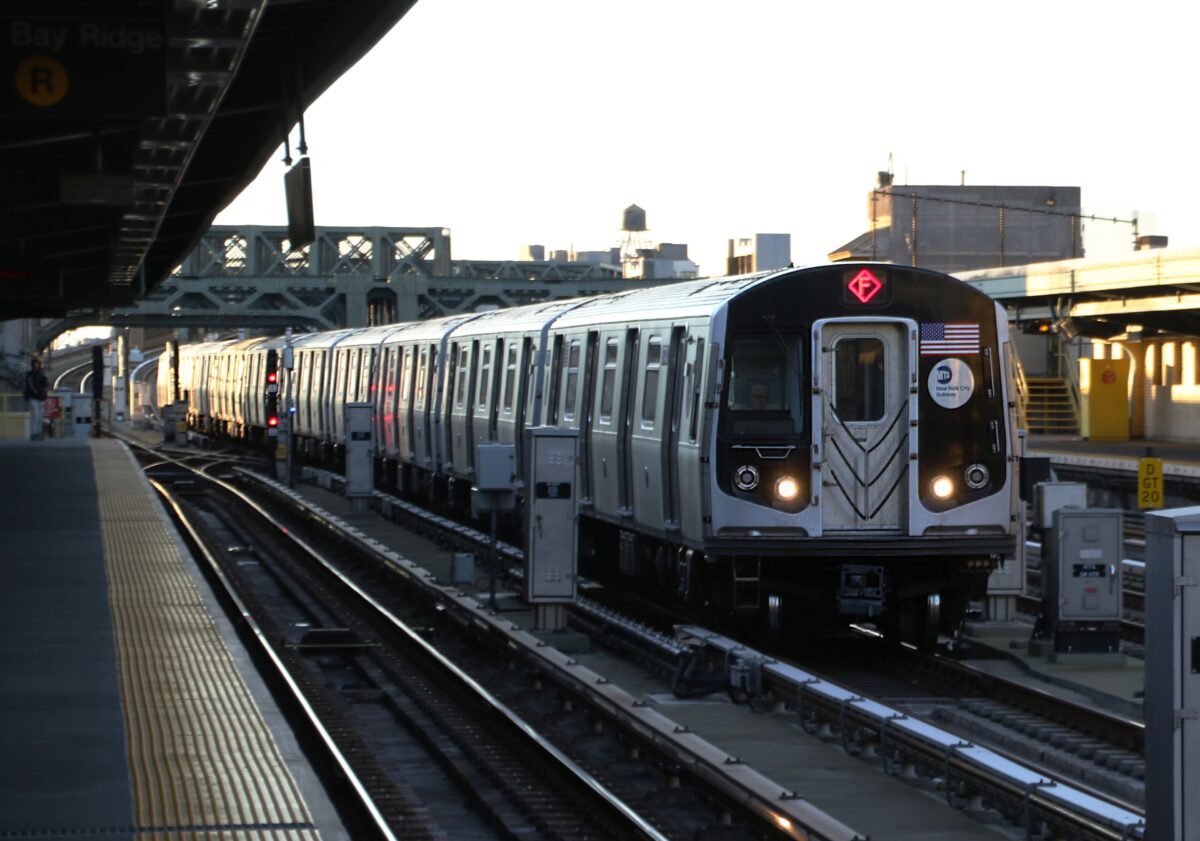
When reports emerged about a person found dead on a Caltrain platform, many commuters immediately feared the possibility of a train-related tragedy. However, officials clarified that the incident did not involve a person being struck by a train.
That distinction significantly changes the nature of the investigation. Train collisions often involve operational disruptions, transportation safety reviews, and immediate concerns about rail operations. In this case, authorities are investigating a death that occurred on the platform rather than a collision involving a train.
The clarification also shows why accurate information matters during breaking news situations. Early reports can create confusion when a location itself becomes associated with an emergency. A death occurring near railroad tracks does not automatically mean the rail system caused the incident.
The San Francisco Caltrain platform death serves as an example of how public perception can quickly shift during emergencies. A transit station is a powerful symbol of movement and connection, so an unexpected death there naturally creates concern among passengers and residents.
Across major cities, transportation agencies regularly face similar challenges. Stations must balance passenger movement, security, emergency access, and public confidence. Even when an incident is isolated, it can influence how people view safety in public spaces.
A Growing Conversation About Safety in Public Transit Spaces
The San Francisco Caltrain platform death comes during a period when cities nationwide continue examining safety challenges in transportation environments. Public transit systems serve millions of riders, making stations important community spaces as well as transportation hubs.
Modern transit safety involves more than preventing accidents on tracks. Agencies increasingly focus on emergency communication, surveillance systems, employee training, and coordination between transportation officials and emergency responders.
The incident at 22nd Street station has not been linked to broader safety failures. However, unexpected deaths in public locations often lead communities to examine whether existing systems are prepared for emergencies. Questions about response times, awareness and available assistance naturally follow.
Urban transit stations reflect the complexity of city life. They bring together people from different backgrounds, experiences and circumstances. That diversity creates vibrant public spaces but also means emergencies can happen in unpredictable ways.
San Francisco, like many large cities, has experienced ongoing discussions about public safety, mental health resources and conditions in shared spaces. Those discussions often become more urgent after incidents that leave residents searching for explanations.
However, investigators have not connected this specific death to crime, homelessness, violence or any other social issue. The focus remains on determining the facts surrounding the individual case.
Behind the Investigation Is a Person and a Family Waiting for Answers

News reports often focus on locations, police responses and official statements, but every death investigation involves a person with a history, relationships and a life outside the headlines.
The man found during the San Francisco Caltrain platform death investigation has not yet been publicly identified. Authorities typically wait until they confirm a person’s identity and notify family members before releasing additional details.
That process protects families during an extremely difficult moment. Discovering that a loved one has died is deeply personal, and officials aim to prevent relatives from learning such information through public reports or online discussions.
For investigators, identifying the man is only the first step. Understanding what happened requires examining medical information, evidence from the scene, and any available accounts from witnesses.
For the public, the unknown identity creates a reminder that behind every emergency response is an individual story. A person found at a transit station is not simply part of a police report. That person represents someone’s family member, friend or neighbor.
The unanswered questions surrounding the San Francisco Caltrain platform death are not only investigative questions. They are also human questions about how a person’s final moments unfolded and why those moments remain unclear.
Emergency Response Becomes a Key Part of the Investigation
When someone is found unresponsive in a public area, the first response can determine whether a person survives or whether investigators can later understand what happened.
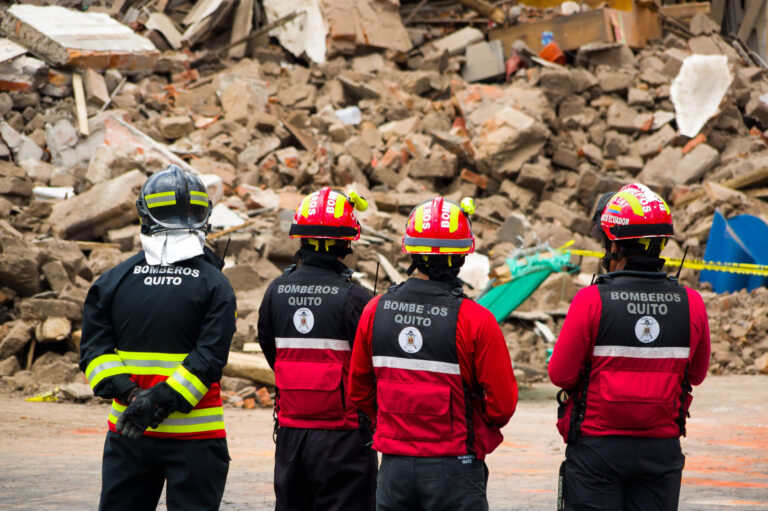
Emergency crews responding to the San Francisco Caltrain platform death faced multiple responsibilities. They needed to provide medical assistance, secure the area, and preserve information that could help determine the circumstances of the death.
Public transportation emergencies often require cooperation between several agencies. Police officers, paramedics, transit employees and medical examiners each play different roles in responding to incidents and gathering information.
The effectiveness of emergency response systems is a continuing concern in many urban areas. Cities regularly review how quickly emergency personnel can reach locations, how information is communicated, and how public spaces can be made safer.
The incident at 22nd Street station has not resulted in officials announcing any failures in response. Still, cases like this often encourage discussions about preparedness and whether additional resources could help identify emergencies sooner.
Technology has become an increasingly important part of transit safety. Cameras, emergency communication systems, and trained personnel can help provide critical information during investigations.
Police Appeal for Information as Mystery Continues
San Francisco police are asking anyone with information about the incident to contact investigators. Public assistance can sometimes provide details that are unavailable through official records alone.
A witness may remember seeing the man before emergency crews arrived, noticing unusual activity or observing details that help establish a timeline. Even information that seems insignificant can become valuable during an investigation.
Authorities have provided contact information for people who may have relevant details. Individuals can contact the San Francisco Police Department at 415-575-4444 or send an anonymous text tip through TIP411 by beginning the message with SFPD.
The request for information does not mean police have determined that criminal activity occurred. Death investigations often involve collecting as much information as possible before officials reach conclusions.
The next major developments in the San Francisco Caltrain platform death investigation are expected to come after authorities complete additional reviews and the Medical Examiner determines the cause and manner of death.
A Transit Station Death That Leaves a City Waiting for Answers

The San Francisco Caltrain platform death investigation represents more than a single emergency response at a train station. It reflects the difficult reality that unexpected tragedies can happen in ordinary places surrounded by people.
Authorities have confirmed the basic facts: a man was found dead on a Caltrain platform, emergency responders attempted to assist him, and investigators are working to understand what happened. Many important details remain unknown.
For commuters, the incident may become another reminder that public spaces carry both connection and vulnerability. A station that usually represents movement and routine became the setting for a mystery that officials are still working to solve.
The investigation will continue until authorities can provide clearer answers about the man’s identity and final moments. Until then, the San Francisco Caltrain platform death remains a reminder that behind every public emergency is a human story waiting to be understood.