Chicago Funeral Home Investigation Raises Alarming Questions About Trust, Oversight and the Care of the Dead
A funeral home is supposed to be the final place where families trust strangers with someone they love. But the Chicago funeral home investigation has transformed a place of mourning into the center of a disturbing case involving more than 50 human remains, grieving families searching for answers, and growing questions about whether oversight systems are strong enough to protect the public.
For many families, the funeral process represents dignity, closure, and one final opportunity to honor a loved one. The discovery of improperly stored remains at South Chicago Chapel has disrupted that expectation and created a painful reality for relatives who believed their loved ones were being handled with care.
The Chicago funeral home investigation has drawn attention from state regulators, medical examiners, and law enforcement officials as authorities work to identify remains and understand what happened inside the facility. The case has become more than a local investigation because it touches on a larger issue that affects communities everywhere: the responsibility placed on funeral homes during moments of extreme vulnerability.
As investigators continue gathering information, families connected to the Chicago funeral home investigation are facing uncertainty that extends beyond the loss they already experienced. They are now searching for answers about the final treatment of their relatives and whether the promises made during funeral arrangements were honored.
A Funeral Home Meant for Comfort Becomes a Scene of Unanswered Questions
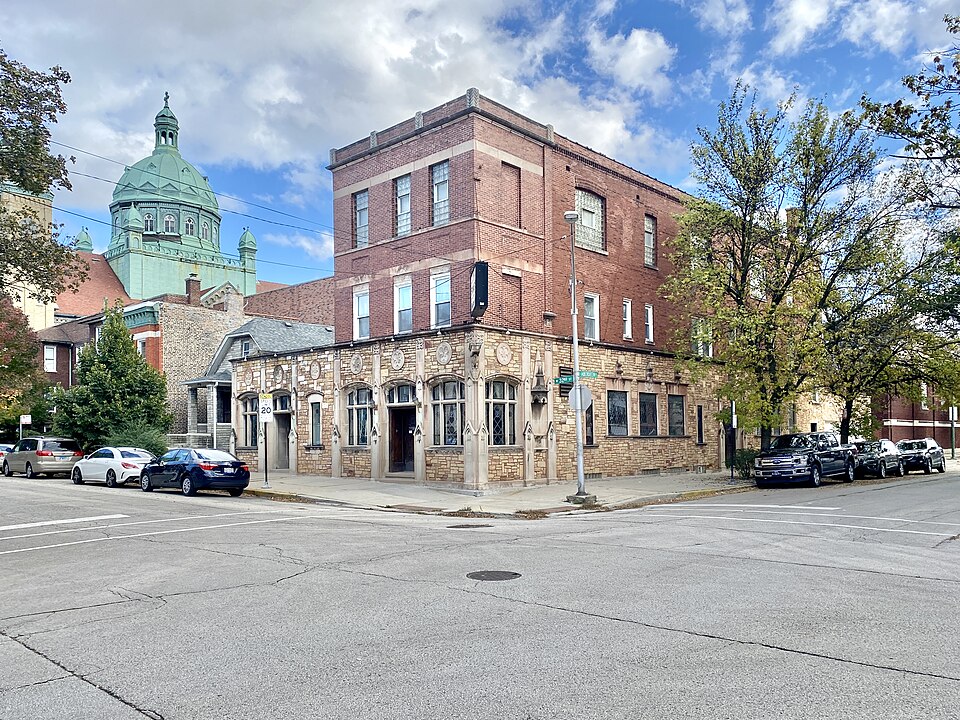
South Chicago Chapel, located on Chicago’s Southeast Side, was expected to serve families during some of their most difficult moments. Instead, authorities discovered conditions that raised serious concerns about how human remains were stored and handled inside the building. The Chicago funeral home investigation began after officials responded to concerns about the facility and uncovered more than 50 bodies requiring further examination.
The discovery created immediate challenges for investigators who must carefully determine the identities of the remains. The Cook County Medical Examiner’s Office has been working to review records, compare documentation, and notify families connected to the individuals found inside the funeral home. This process requires accuracy because every identification represents a grieving family waiting for information about someone they lost.
The investigation has also highlighted the unique responsibility carried by funeral homes. Unlike ordinary businesses, funeral homes manage moments tied to grief, memory, and family history. When people arrange services for relatives, they often do so while emotionally overwhelmed and rely heavily on funeral professionals to guide them through the process.
The Chicago funeral home investigation has therefore become a case about more than physical conditions inside a building. It represents a breakdown of trust between families and an institution designed to provide comfort. For many people, the question is no longer only what happened, but how such a situation could happen in a place built around dignity and respect.
Families Searching for Closure Face a Second Wave of Grief
The emotional impact of the Chicago funeral home investigation has been felt most deeply by families who expected to complete their final goodbyes. Instead of moving through the traditional stages of mourning, some relatives have been forced to wait for answers about the status of their loved ones. The uncertainty has created a painful experience layered on top of existing loss.
Funeral rituals hold deep cultural and personal importance across communities. A memorial service, burial or cremation often provides families with a sense of closure and allows relatives to gather in remembrance. When those arrangements become uncertain, families can feel as though an important part of the grieving process has been interrupted.
Some relatives connected to the Chicago funeral home investigation have raised concerns about delays involving services and remains. Families who expected clear communication have instead faced confusion and difficult questions about what happened after their loved ones were placed in the care of the funeral home. For them, the investigation is not simply about regulations or procedures. It is about personal relationships and memories.
The situation demonstrates why trust remains the foundation of the funeral industry. People do not choose funeral homes only because of convenience or price. They choose them because they believe their family members will receive respect after death, even when they are no longer able to speak for themselves.
The Warning Signs That Raised Concerns Inside the Community
As details of the Chicago funeral home investigation continue to emerge, attention has also turned toward the community surrounding the facility. Some residents have described noticing unusual conditions near the property before authorities became involved. While investigators continue examining the timeline, these accounts have increased public concern about whether problems may have existed earlier.
Communities often rely on local awareness to identify issues before they become larger problems. Neighbors, customers and workers may notice changes that are not immediately visible to regulators. However, identifying concerns is only one part of the process. Authorities must also determine whether complaints were reported, investigated and addressed appropriately.
The Chicago funeral home investigation has renewed discussions about how regulators monitor businesses responsible for handling human remains. Funeral homes are subject to licensing requirements, inspections and professional standards intended to protect families. These systems exist because mistakes in this industry can create emotional harm that cannot easily be repaired.
The case raises broader questions about accountability. How often should funeral homes be inspected? Are current oversight procedures effective enough? These questions are now part of a larger conversation about protecting families during some of the most vulnerable moments of their lives.
Behind the Investigation Is a Larger Debate About Funeral Industry Oversight
The Chicago funeral home investigation has placed renewed attention on challenges facing the funeral industry across the United States. Funeral homes have traditionally been community institutions, often operated by families for generations. However, the industry has experienced significant changes due to shifting consumer preferences, rising costs, and changing expectations.
Many families today are making different choices about end-of-life services. Cremation rates have increased significantly in recent decades, while traditional burial practices have declined in many parts of the country. These changes have forced funeral businesses to adapt while continuing to maintain strict standards for care and professionalism.
The Chicago case highlights why industry oversight remains essential during these changes. Funeral homes manage responsibilities that cannot be measured only through financial transactions. They handle personal information, legal documents, and human remains while serving families who may not be able to closely monitor every step.
Across the country, regulators continue balancing the need to support funeral businesses with the responsibility to protect consumers. The Chicago funeral home investigation demonstrates that professional licensing is not just an administrative requirement. It is a safeguard designed to preserve public confidence.
A License Suspension Brings New Scrutiny to the Case
State officials responded to the investigation by taking regulatory action against funeral director Johanna Morgan, whose license was suspended while authorities continued examining the circumstances surrounding the discovery. The action marked a significant development in the Chicago funeral home investigation because it showed that regulators considered the situation serious enough to require immediate intervention.
However, a license suspension represents only one part of a much larger process. Investigators must still determine the full timeline, review records, and establish what responsibilities were fulfilled or neglected. The outcome of the investigation could influence future discussions about funeral industry regulation in Illinois and beyond.
Regulatory agencies exist to create accountability, but enforcement often depends on detecting problems early. The Chicago funeral home investigation has brought attention to whether existing systems provide enough protection for families before serious failures occur.
For families affected by the case, regulatory discussions are important, but they do not replace the answers they are seeking. They want to know what happened to their loved ones and whether the final chapter of their relatives’ lives was handled with the respect they deserved.
The Cost of Losing Trust in a Place Built Around Respect
The significance of the Chicago funeral home investigation extends beyond the walls of South Chicago Chapel. It represents a deeper concern about what happens when institutions responsible for moments of grief fail to meet expectations. Trust is difficult to build, but in industries involving death and mourning, that trust carries extraordinary importance.
Funeral professionals often serve families during emotional situations where decisions must be made quickly. Relatives may depend on guidance about paperwork, transportation, preparation, and final arrangements. Because of this, ethical responsibility becomes just as important as technical expertise.
The investigation also highlights the importance of transparency. Families choosing funeral services often need access to clear information about costs, procedures, and professional standards. Strong communication can help build confidence, while uncertainty can create lasting frustration and pain.
The Chicago funeral home investigation will continue to develop as authorities work toward identifying remains and answering questions from affected families. But the case has already created a lasting conversation about dignity, accountability and the responsibility society places on those who care for the dead.
A funeral home exists because every life deserves a respectful goodbye. When families enter those spaces, they bring memories, emotions and trust with them. The questions surrounding South Chicago Chapel now challenge communities and regulators to consider a difficult reality: protecting the dignity of the dead also means protecting the trust of the living.