10 Snoring Dangers Signs People Laugh Off Until Their Sleep Turns Against Them
Snoring has a strange reputation. People joke about it, blame it on exhaustion, tease their partner, or pretend the whole house did not hear the midnight thunder coming from one pillow. The problem is that snoring is not always just a funny bedroom sound. Sometimes it is the body struggling to move air through a blocked or narrowed airway.
That does not mean every soft snore is a medical emergency. The real concern begins when snoring becomes loud, regular, disruptive, or paired with gasping, choking, headaches, daytime tiredness, or poor focus. At that point, the noise may be more than annoying. It may be one of the clearest signs that sleep is no longer doing its job.
Loud Snoring Can Be a Breathing Warning
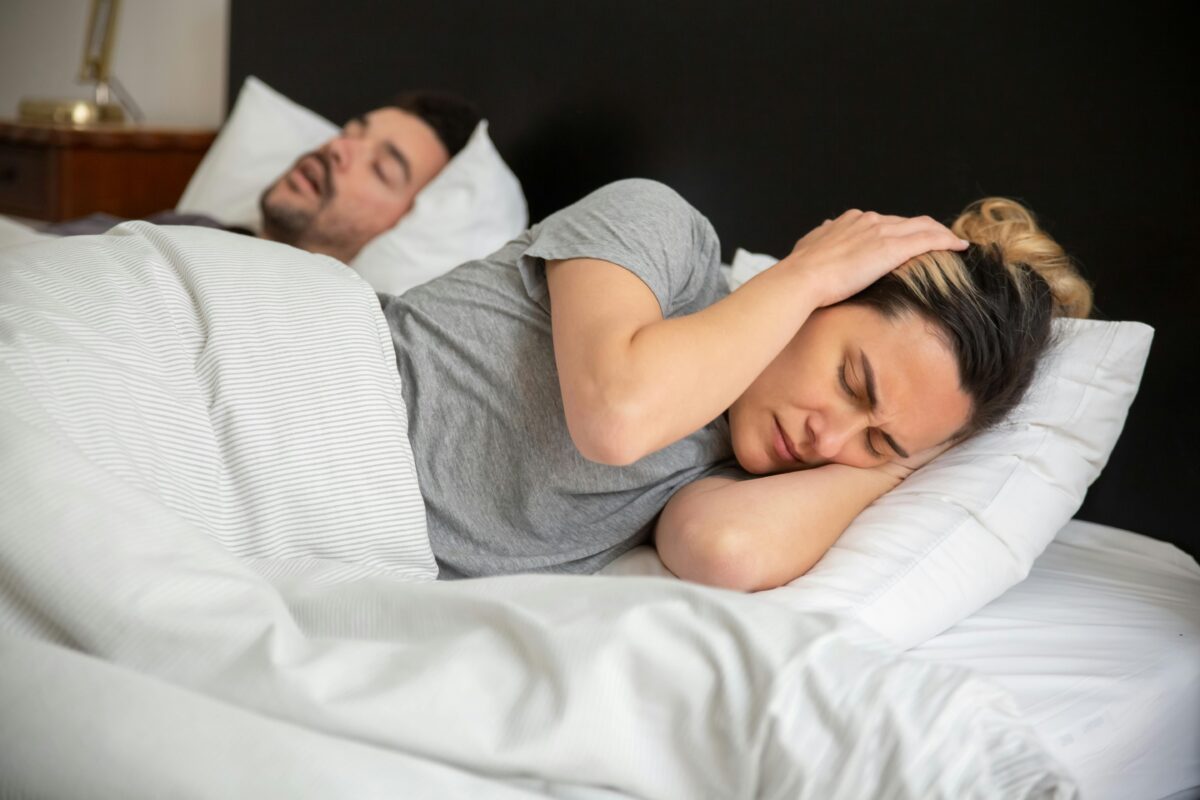
Loud snoring often starts when air cannot move smoothly through the nose and throat. As the airway narrows, soft tissues vibrate, creating that rough, rattling sound. The louder and more frequent it becomes, the harder the body may have to work just to breathe during sleep.
This is why chronic snoring should not be treated like a harmless family joke. A person can sleep for eight hours and still wake up tired if their breathing keeps getting interrupted. The sound may be coming from the throat, but the warning belongs to the whole body.
Breathing Pauses Are Never Normal Sleep
One of the biggest red flags is when someone stops breathing for a few seconds, then suddenly gasps or chokes. The sleeper may not remember it, but the person beside them often notices the frightening pause. That pattern can point to obstructive sleep apnea, where the airway repeatedly collapses or becomes blocked during sleep.
These pauses can drag the body out of deep rest again and again. The person may wake up feeling as if they barely slept, even after spending the whole night in bed. Good sleep should restore the body, not force it into a nightly fight for air.
Morning Headaches Can Tell a Bigger Story

A morning headache can be easy to dismiss. Many people blame stress, dehydration, screen time, or a bad pillow and move on with their day. But when morning headaches accompany loud snoring, a dry mouth, or daytime fatigue, they deserve more attention.
Poor breathing during sleep can affect oxygen levels and sleep quality. That combination may leave the head feeling heavy before the day even begins. If the headache keeps returning with snoring, the issue may be happening long before the alarm rings.
Daytime Fatigue Can Become a Safety Problem
Snoring becomes more serious when it persists into the daytime. The warning signs may look like heavy eyelids at work, poor concentration, irritability, or a constant need for caffeine. This is not always a discipline problem. Sometimes the body is simply exhausted from broken sleep.
The danger becomes even sharper behind the wheel. A tired driver may react slowly, drift out of focus, or briefly nod off without realizing how close they came to disaster. Snoring that causes daytime sleepiness is no longer just a bedroom problem. It becomes a public safety issue.
Snoring Can Put Pressure on the Heart

Sleep should give the heart a quieter shift, but breathing problems can do the opposite. Repeated pauses in breathing can stress the cardiovascular system and may contribute to high blood pressure and other heart-related risks. The body was not built to spend night after night battling for steady oxygen.
This risk matters even more for people who already have hypertension, diabetes, obesity, or heart concerns. Snoring can seem small compared with those conditions, so it often gets ignored. That is the mistake. A nightly breathing problem can quietly add pressure to health issues that already need careful management.
Weight Can Make the Airway Narrower
Extra weight around the neck and upper body can increase pressure near the airway. That pressure may make snoring louder and raise the chances of obstructive sleep apnea. This does not mean every person who snores is overweight, and it does not mean thin people are protected from sleep apnea.
Still, weight can play a major role for many adults. Poor sleep can also make weight management harder by increasing exhaustion, cravings, and low motivation. It becomes a frustrating loop. The worse sleep gets, the harder healthy routines may feel.
Alcohol Can Make Snoring Worse

Alcohol may feel relaxing before bed, but it can relax the throat muscles too much. When those muscles loosen, the airway can narrow more easily, and snoring may become louder. For someone already at risk of sleep apnea, alcohol can make nighttime breathing even more unstable.
The same concern can apply to some sedatives and sleep aids. They may help a person fall asleep, but they can also make the airway less firm during the night. If snoring grows worse after drinking, the body is offering a useful clue that bedtime habits need a second look.
Sleeping on your back can make your snoring louder.
Back sleeping can make snoring worse for some people because gravity allows the tongue and soft tissues to fall backward. That can crowd the airway and increase resistance to airflow. The result is often louder, rougher snoring that improves when the person turns to the side.
This is why sleep position matters. Side sleeping may help some mild snorers, especially when the problem is positional. But if snoring persists in every position or is accompanied by gasping and fatigue, changing pillows will not be enough. The deeper cause still needs attention.
Snoring Can Quietly Damage Relationships

Snoring does not stay on one side of the bed. It can rob a partner of sleep, create resentment, and turn bedtime into a nightly argument. Over time, some couples start sleeping in separate rooms just to survive the exhaustion.
That emotional strain can be just as real as the physical symptoms. The partner complaining about snoring may not simply be irritated. They may also be the first person to notice dangerous breathing pauses, choking sounds, or restless sleep. Their frustration might be the warning that finally pushes the issue into the open.
Treatment Can Change More Than the Noise
The best treatment depends on the cause of the snoring. Some people improve with weight management, reduced alcohol intake, allergy care, nasal treatment, or side sleeping. Others may need a sleep study, CPAP therapy, a custom oral appliance, or medical treatment for airway problems.
The key is to stop guessing. Loud, frequent, or paired with breathing pauses should be checked by a qualified health professional. The goal is not just a quieter room. The real goal is safer breathing, deeper sleep, better energy, and a body that finally gets the rest it has been missing.
Conclusion
Snoring can be harmless, but it can also signal that sleep is going wrong. The difference is in the pattern. Loud snoring, gasping, choking, morning headaches, daytime fatigue, mood changes, and witnessed breathing pauses should never be brushed aside as normal.
The most dangerous snore is the one everyone has learned to ignore. A simple conversation with a healthcare provider can lead to testing, answers, and treatment that improve more than the night. Better breathing can mean better sleep, better focus, better relationships, and a healthier life.