14 Street Food Cities Worth Eating Your Way Through in 2026
Forget white tablecloths. Some of the world’s most memorable meals arrive on paper plates, are eaten standing beside a sizzling grill, or require you to point at something delicious and hope you ordered enough.
Street food is also much bigger than food carts. Depending on the city, it might mean a morning noodle stall, a regulated hawker center, a smoky market corridor, a township takeaway, or an evening square that transforms into one giant outdoor kitchen.
So rather than pretending there is one undisputed “street food capital of the world,” here are 14 cities that offer genuinely distinctive ways to eat.
Ho Chi Minh City, Vietnam
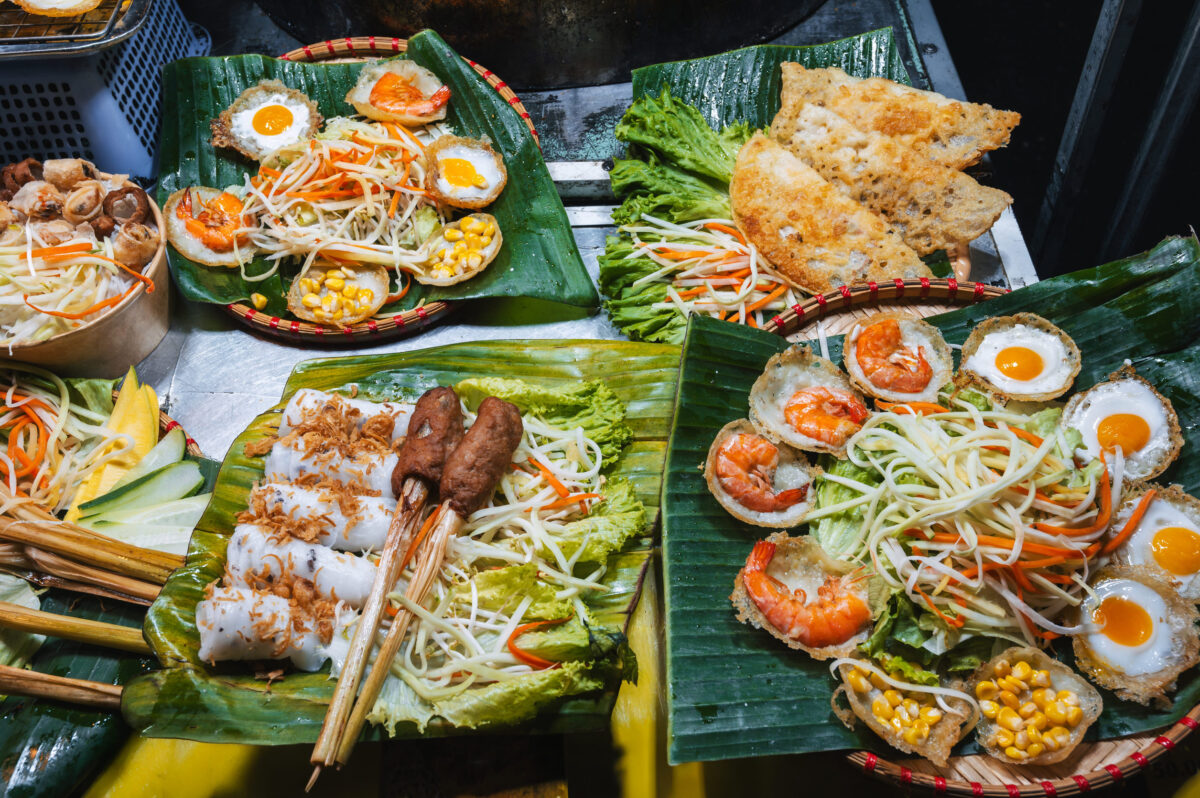
Start with the city that led Time Out’s 2026 resident street food ratings, with 63% of respondents viewing its scene favorably. The fun here is variety: bánh mì for something quick, cơm tấm with grilled pork when you are properly hungry, and seafood after dark.
Bến Thành is an obvious starting point, but Vĩnh Khánh Street in District 4 is worth exploring for an evening seafood crawl. Think scallops with scallion oil, shellfish and snails rather than one predictable “must eat” dish.
Hanoi, Vietnam
Hanoi rewards people who wake up hungry.
The city’s street food rhythm begins early with phở, bánh cuốn and other breakfast favorites before moving toward lunchtime bún chả. The Old Quarter is the natural place to wander, but timing matters: a great breakfast stall may be finished long before dinner.
In other words, don’t sleep until noon and then complain that you missed the good stuff.
Bangkok, Thailand
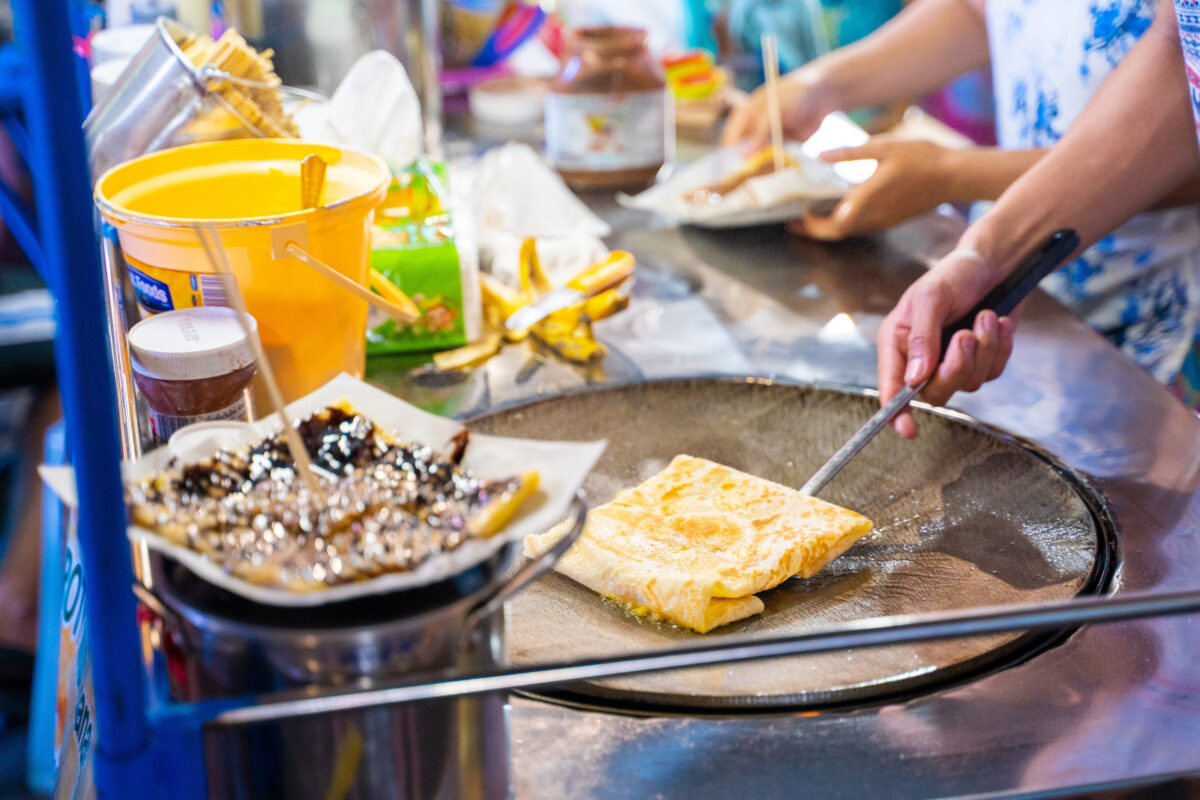
For an evening of controlled food chaos, head toward Yaowarat Road and the surrounding Chinatown lanes.
Look for peppery kuay jab, oyster omelets, curry rice, grilled seafood and coconut pancakes. Bangkok’s street food geography is changing, however, as sidewalk rules and vendor relocations reshape some areas. Translation, that five-year-old blog promising a cart “right on this corner” may no longer be your most reliable guide.
Singapore
Singapore shows why “street food” doesn’t have to mean an unregulated cart on a pavement.
UNESCO inscribed its hawker culture in 2020, and hawker centers remain community dining rooms where you can tackle chicken rice, laksa, char kway teow, satay and kaya toast without needing a restaurant reservation.
Try established centers such as Maxwell Food Center, Chinatown Complex, Old Airport Road Food Center or Lau Pa Sat. One practical warning: centers can temporarily close for scheduled cleaning, so check before crossing town solely for lunch.
George Town, Penang
Come to George Town ready to eat across cultures.
Char koay teow, asam laksa, Hokkien mee, nasi kandar, rojak and cendol reflect Penang’s Malay, Chinese, Indian and Peranakan influences. Chulia Street, Kimberley Street and New Lane are useful hunting grounds.
Michelin’s 2026 Bib Gourmand selection even added Awesome Char Koay Teow, explicitly described as a third-generation street food stall.
Kuala Lumpur, Malaysia
Kuala Lumpur placed second in Time Out’s 2026 resident survey, at 62%.
Jalan Alor offers the easiest after-dark introduction: satay, grilled fish, noodles, roti canai and plenty more compete for your attention under bright lights. Petaling Street and neighborhood night markets take the experience further.
Just remember that Jalan Alor is an introduction to Kuala Lumpur food, not a complete picture of how an entire city eats.
Taipei, Taiwan
Few cities make night market grazing this easy.
At Raohe, go looking for black pepper buns. Ningxia works beautifully for a food-focused snack crawl, while Shilin combines eating with a bigger shopping expedition.
Then there is stinky tofu. You will smell it before you see it. Whether that is a warning or an invitation is entirely between you and your nose.
Jakarta, Indonesia
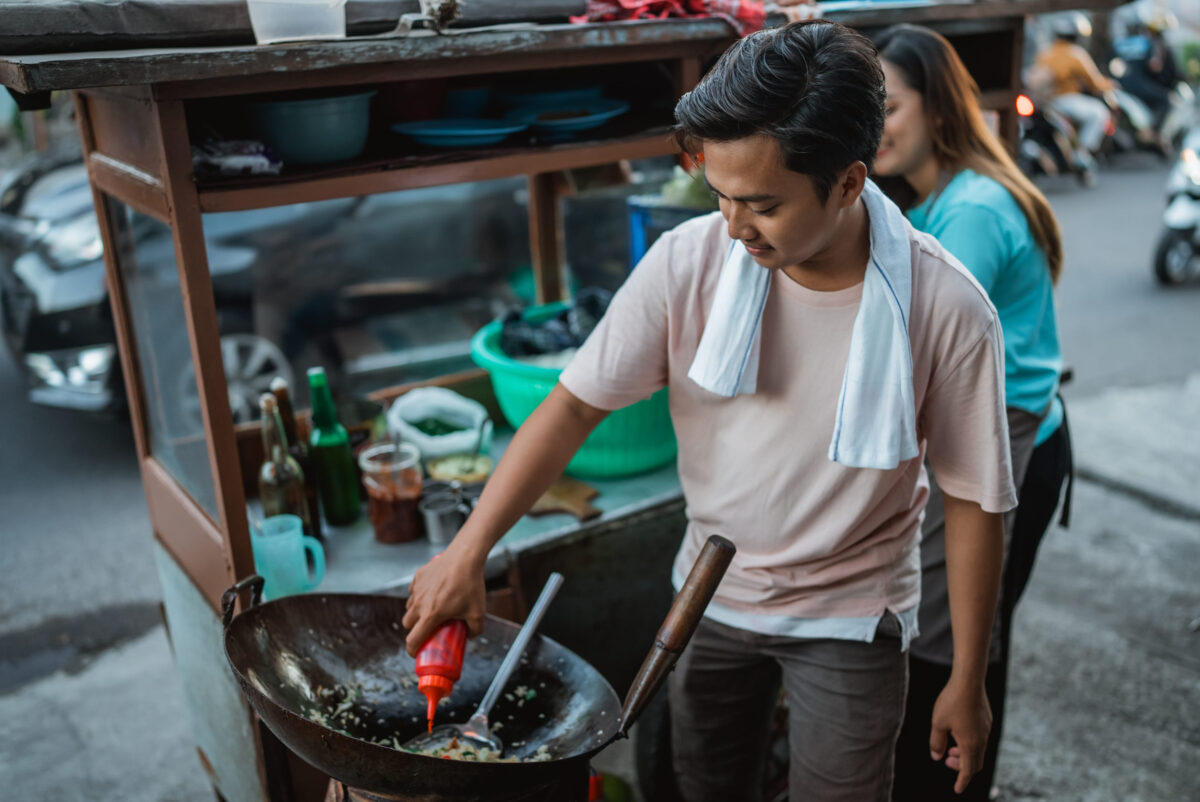
Jakarta’s food scene mixes carts, roadside warungs, markets and small restaurants.
Jalan Sabang is a great place to start with nasi goreng, satay, and other evening staples, while Glodok and Petak Sembilan add Chinese Indonesian noodles and snacks to the equation.
Martabak also deserves attention. Arrive hungry; this is not a delicate little amuse-bouche situation.
Mexico City, Mexico
Yes, eat the tacos. But don’t stop there.
Mexico City’s informal food culture changes throughout the day: tamales in the morning, masa-based snacks later, and taquerías firing up for the evening rush.
Look beyond tacos al pastor to suadero, tacos de canasta, tlacoyos and pambazos. Centro Histórico, Coyoacán, and neighborhoods such as Narvarte all offer different versions of the experience.
Related: 6 Best Cuisines in the World
Oaxaca City, Mexico
Oaxaca offers a particularly satisfying combination of streetside vendors and traditional markets.
Visit Mercado 20 de Noviembre and its famous Pasillo de Humo for grilled meats, then look for tlayudas, memelas, tamales and tacos de chile relleno around the historic center.
One useful rule in Pasillo de Humo: ask how the meat, tortillas and accompaniments are priced before assembling your feast.
Mumbai, India
Mumbai street food was built for people on the move.
Vada pav near transport hubs is practically the perfect commuter meal, while Chowpatty and Juhu offer chaat such as bhel puri and pani puri. Pav bhaji, seekh kebabs and baida roti provide plenty of reasons to keep eating.
For Mohammed Ali Road, remember that Ramadan food scenes and operating hours can differ greatly from an ordinary week.
Johannesburg, South Africa
Johannesburg proves any serious street food conversation should stretch far beyond Asia and Latin America.
Kota, a hollowed-out loaf packed with fillings, is one of the city’s great informal food signatures. Soweto vendors, taxi rank food spots, grills and takeaways also serve everything from vetkoek to pap, braaied meat and chakalaka.
For township food trips, plan your transport and confirm a specific vendor’s location rather than simply wandering around looking hungry.
Marrakech, Morocco
After sunset, Jemaa el Fna becomes one of the most theatrical eating experiences on this list.
Steam rises, grills flare, and stalls serve harira, brochettes, merguez, msemen, briouats, and snail soup. Wander into the surrounding medina lanes, and the snacking continues.
Before accepting a mixed plate or extra side, agree on the price and what is included. Your stomach should be surprised; your bill doesn’t need to be.
Nairobi, Kenya
Nairobi’s street food strength is everyday practicality rather than a giant tourist night market.
Smokie pasua, mayai pasua, mutura, roasted maize, smocha, and roasted cassava turn neighborhood kiosks and commuter areas into quick-meal territory. September 2026 reporting quoted KSh40 for a smokie and mutura starting at KSh20, although prices vary by portion, filling and location.
The smartest approach in any of these cities is simple: follow the rhythm of local eating, check prices before ordering, watch food handling, and don’t assume every famous dish comes from a cart.
The best street food trips aren’t about collecting “top 10” dishes anyway. They’re about turning a corner, smelling something irresistible, and realizing that dinner plans have just changed.