“It Is Time for Donald Trump to Be Removed From Office”: Rep. Adam Smith Cites Hormuz Toll Fiasco, Says “We Have to Question His Sanity”
Rep. Adam Smith has delivered one of the strongest condemnations yet of President Donald Trump’s handling of the Strait of Hormuz crisis, declaring that it is time for Trump to be removed from office.
The Washington Democrat, who serves as the ranking member of the House Armed Services Committee, accused Trump of operating outside reality after the president proposed taking control of one of the world’s most important waterways and charging commercial ships for safe passage.
Smith’s intervention is significant because it comes from a senior lawmaker deeply involved in congressional oversight of the Pentagon. His criticism is not limited to a disagreement over military tactics. He is questioning Trump’s fitness to command American forces during a rapidly escalating conflict with Iran.
The immediate controversy began when Trump said the United States would become the “guardian” of the Strait of Hormuz and charge a fee equal to 20 percent of the value of cargo passing through the waterway. Trump later abandoned the toll plan, but the reversal did little to calm concerns about how the proposal was developed or what it revealed about the administration’s strategy.
Adam Smith Says Trump Is “Manifestly Unfit” for Office
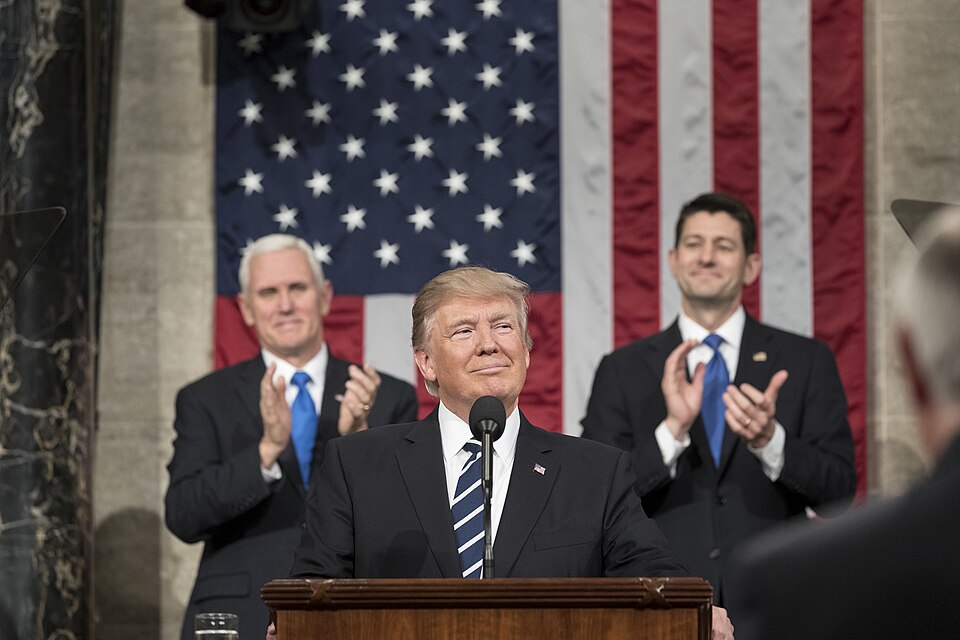
Smith’s message was unusually direct. He said Trump was discussing the seizure of the Strait of Hormuz, charging the world to use it and leading the United States toward another dangerous military escalation.
“It is time for Donald Trump to be removed from office,” Smith declared in a video distributed through his official political accounts. He described the president as “manifestly unfit” and urged Republicans in Congress and the administration to act.
Smith also said Americans had to “question his sanity” if Trump was prepared to place the country on a path toward taking permanent control of the strait. That language represents Smith’s political judgment, not a medical diagnosis, but it demonstrates how seriously the lawmaker views the president’s conduct.
We should not reduce Smith’s statement to another routine partisan attack. As the top Democrat on the House Armed Services Committee, he receives briefings, questions military leaders, and participates in debates over defense strategy. His warning reflects a broader concern that major national security decisions are being announced without a clear explanation of their legal authority, military cost, or strategic objective.
Trump’s Hormuz Toll Plan Collapsed Almost Immediately
Trump announced on July 13 that the United States would reimpose a blockade on Iranian ports while assuming greater control over shipping through the Strait of Hormuz. Ships from other countries would receive American protection, but they would be expected to reimburse the United States through a 20 percent cargo fee.
The proposal represented a dramatic break from the traditional American position that major international waterways should remain open to lawful navigation. It also placed Washington in the awkward position of demanding payments similar to the tolls it had condemned when Iran attempted to impose them.
Just one day later, Trump reversed course. He said Gulf countries would instead make large trade and investment commitments in the United States following what he described as productive conversations with regional leaders. The administration did not immediately provide a detailed breakdown of the promised investments or explain how they would replace the proposed shipping fee.
The reversal matters because the Strait of Hormuz is not a location where presidential improvisation carries limited consequences. Roughly 20 percent of the world’s oil normally passes through the waterway, making every military threat, blockade announcement and toll proposal capable of affecting fuel prices, shipping insurance and inflation across several continents.
The White House Had Previously Opposed Hormuz Tolls
The toll proposal also contradicted the administration’s recently stated policy. In May, the White House celebrated an agreement with China that called for the Strait of Hormuz to reopen and declared that no country or organization should be allowed to charge tolls.
Less than two months later, Trump announced that the United States would charge ships a 20 percent fee for using the same waterway.
That contradiction is at the heart of the political crisis. We are not looking at a minor adjustment to a carefully developed plan. We are looking at a president publicly reversing a central principle of his own administration’s Hormuz policy and then abandoning the replacement policy within approximately 24 hours.
Such instability creates problems for American military commanders, diplomats, and allies. Gulf governments must determine whether presidential announcements represent lasting American policy or temporary negotiating positions. Shipping companies must decide whether to risk vessels, crews, and cargo based on statements that may change before operations can be adjusted.
Iran also gains opportunities from American confusion. Tehran can portray Washington as pursuing its own form of maritime taxation while claiming to defend freedom of navigation. Even after the toll was withdrawn, the announcement had already weakened the clarity of the American argument.
Smith Says Trump Turned a Security Crisis Into an Extortion Contest
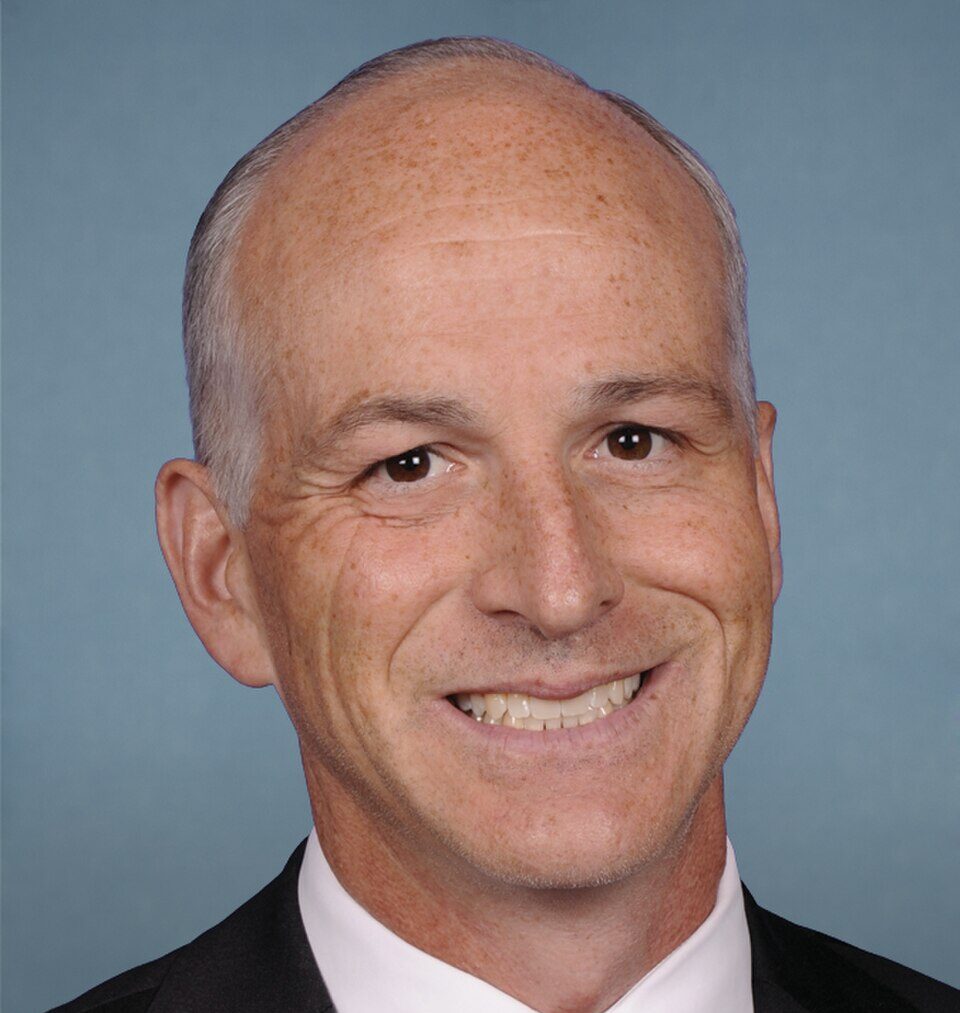
In his formal statement, Smith accused Trump of placing the United States in a competition with Iran over who could extract money from the rest of the world.
“The President of the United States is now in a fight with Iran over who can extort the rest of the world,” Smith said.
He warned that taking complete control of the strait would probably require a major escalation and place more American service members in danger. He also argued that demanding payment for safe passage would violate international law and undermine the principles the United States has traditionally claimed to defend.
Smith described the Iran conflict as an “ill-conceived war” that had failed to achieve the administration’s shifting goals. He pointed to continuing Iranian influence, military capabilities, regional instability, American casualties, civilian suffering, and tens of billions of dollars in public spending.
“The Strait of Hormuz was free and open before Trump launched his disastrous war,” Smith said. He urged Republicans to condemn the president’s threats and join efforts to pursue a diplomatic settlement.
The Toll Reversal Does Not End the Military Danger
Trump’s decision to abandon the 20 percent fee did not end the larger confrontation. The United States continued its blockade of Iranian ports and renewed strikes against Iranian military targets.
Iran responded with attacks across the region and repeated threats against energy exports. Commercial vessels remained exposed to missiles, drones and other forms of attack, while Gulf countries faced growing pressure to choose between supporting Washington and avoiding direct involvement in a wider war.
The administration’s blockade could therefore become more consequential than the discarded toll. A blockade is an act of immense military and legal significance. Maintaining it requires ships, aircraft, intelligence, logistics, and rules of engagement that can prevent isolated encounters from escalating into a much larger conflict.
Trump has also threatened additional strikes against Iranian infrastructure if Tehran refuses to negotiate. Those threats have increased concern that the United States may be moving toward a broader campaign without a clearly defined endpoint.
Smith’s demand for removal rests on this broader pattern. His argument is not simply that the proposed toll was bad policy. He contends that the toll announcement exposed a president making unpredictable decisions while American forces are engaged in active hostilities.
Removing a President Requires More Than a Lawmaker’s Demand
Smith’s statement carries political weight, but it does not remove Trump or automatically begin a constitutional process.
One possible route is impeachment. The House of Representatives may approve articles of impeachment by a simple majority. The Senate would then hold a trial, and two-thirds of senators present would have to vote to convict before a president could be removed from office.
A second route involves Section 4 of the 25th Amendment. The vice president and a majority of the principal officers of the executive departments could declare that the president is unable to discharge the powers and duties of office. The vice president would then assume presidential powers as acting president.
If the president challenged that declaration, the vice president and a majority of the Cabinet could reaffirm it. Congress would ultimately need a two-thirds vote in both chambers to keep the vice president in control.
These are intentionally difficult standards. The Constitution does not permit a president to be removed merely because members of the opposing party strongly disagree with his policies. Smith and other lawmakers would need to demonstrate that Trump’s conduct meets the constitutional requirements for impeachment or presidential inability.
As of this writing, Smith’s statement is a demand for action, not evidence that enough Republicans are prepared to support removal. Without substantial Republican cooperation, neither impeachment nor a contested 25th Amendment process would be likely to succeed.
Republicans Now Face Questions About Trump’s War Powers
Smith directed much of his appeal toward Republicans because they hold the practical power to determine whether Trump will face meaningful limits.
Congress possesses constitutional authority over military funding, declarations of war, and impeachment. Lawmakers can demand briefings, subpoena officials, investigate the development of the Hormuz policy, and force votes on the scope of American military operations.
Republicans must therefore decide whether the president’s rapid policy changes are acceptable expressions of executive flexibility or evidence of a national security decision-making process that has become dangerously unstable.
Silence would amount to a decision in itself. It would allow the White House to continue to change military and economic policy through public declarations without detailed congressional debate over legality, cost, or strategic necessity.
Smith is asking Republicans to place institutional responsibility above party loyalty. His argument is that the question has moved beyond whether lawmakers support Trump politically. The question is whether they trust him to make decisions that could place American troops in danger, disrupt the global energy market, and expand a conflict involving Iran.
The Hormuz Fiasco Has Become a Test of Presidential Judgment
Trump may argue that his aggressive threats forced regional governments to negotiate and encouraged Gulf states to offer favorable investment arrangements. His supporters may describe the abandoned toll as leverage rather than a settled policy.
That defense does not erase the contradictions. The administration first supported toll-free passage, then proposed a 20 percent American fee, then replaced the fee with unspecified investment commitments while continuing military operations.
We are therefore left with unanswered questions. Who developed the toll proposal? Did the Pentagon, State Department, and Gulf allies receive advance notice? What legal authority would have permitted the United States to collect the money? How would the fee have been enforced? What would have happened if foreign ships refused to pay?
These questions deserve formal answers because the presidency is not a platform for testing ideas without consequences. Statements made by an American president move markets, influence military calculations, and shape the behavior of allies and adversaries.
Smith has now connected the Hormuz reversal to the larger issue of Trump’s fitness for office. His demand will be condemned by Trump’s supporters and welcomed by the president’s most determined opponents. Yet the core concern cannot be dismissed as ordinary political theater.
A president proposed turning a vital international waterway into an American-controlled toll route during an active military confrontation, only to reverse himself one day later.
Smith believes that the episode demonstrates that Trump is no longer capable of exercising presidential power responsibly. Congress must now decide whether it sees an isolated policy failure, a negotiating tactic, or a warning that the constitutional system can no longer afford to ignore.