8 Simple Ways to Reduce Food Waste at Home and Save Money on Groceries
Have you ever opened your refrigerator and discovered vegetables you forgot to cook, fruit that went bad, or leftovers nobody touched? You’re certainly not alone. Food waste is a common household problem that can quietly eat into your grocery budget.
According to the U.S. Environmental Protection Agency (EPA), approximately one-third of food in the United States goes uneaten. The agency also estimates that an average family of four spends almost $3,000 each year on food that never gets eaten. That’s money that could go toward household bills, savings, or something your family actually enjoys.
The good news is that reducing food waste doesn’t require expensive kitchen gadgets or major lifestyle changes. A few simple adjustments to how you shop, store, and prepare food can make a noticeable difference.
Here are eight practical ways to waste less food and make your groceries last longer.
Plan Your Meals Before Going Grocery Shopping
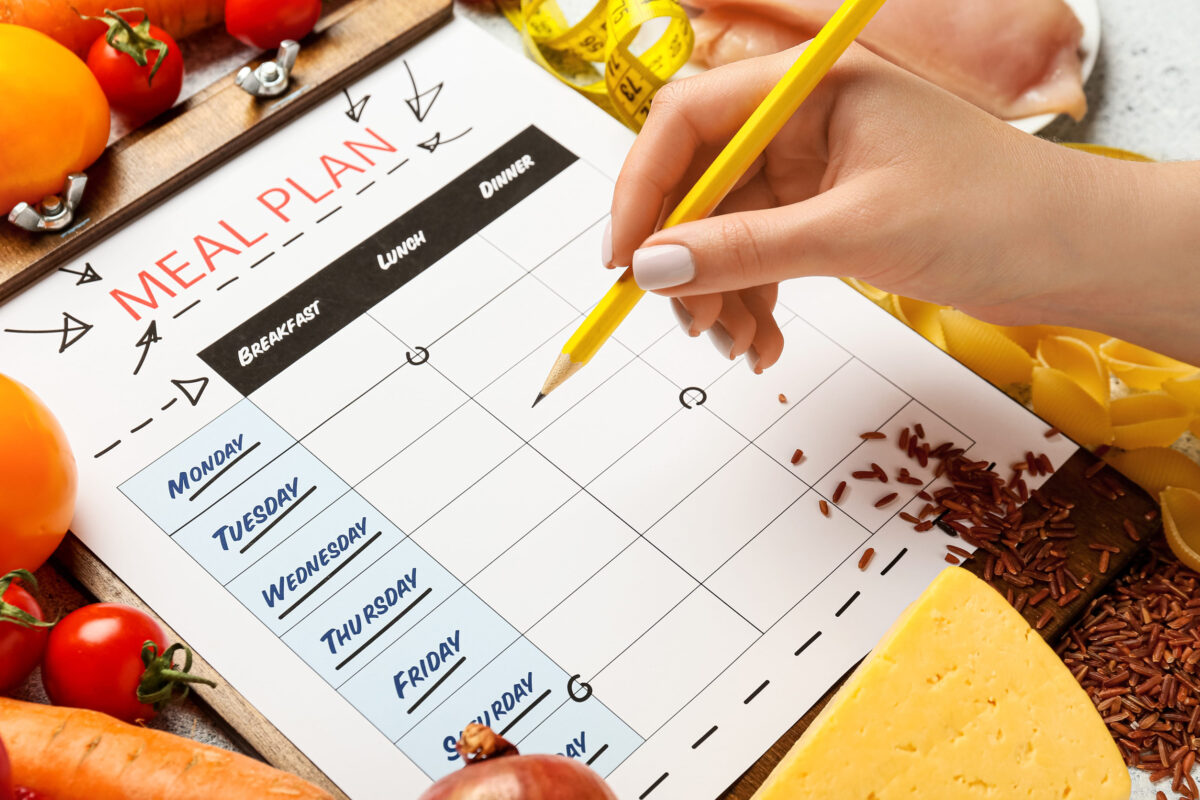
One of the easiest ways to reduce food waste is to plan before you enter the grocery store. Shopping without a plan often leads to buying ingredients you already have or won’t use.
Start by planning a few meals for the coming week. Check your cabinets, refrigerator, and freezer to see what you already have before writing your shopping list.
For example, if you already have rice, chicken, and vegetables, consider preparing meals that use those ingredients instead of purchasing completely new ones.
You don’t need an elaborate meal schedule. Even planning dinner for a few nights can help you shop more carefully.
The EPA recommends making shopping lists based on planned meals and how often you expect to eat at home. This helps prevent buying more food than your household needs.
Related Post:6 Ways to Cut Your Grocery Bill Amid Rising Food Prices
Organize Your Refrigerator So Nothing Gets Forgotten
A disorganized refrigerator can become a hiding place for forgotten food. Containers get pushed behind newer groceries, vegetables disappear inside drawers, and leftovers remain untouched until it’s too late.
An easy solution is to organize your refrigerator by what you need to eat first.
Keep older ingredients toward the front so you notice them more easily. When appropriate, place newly purchased products behind items that are already open.
You can also create a small section labeled “Eat First.” Use it for ingredients approaching the end of their usable storage period.
Proper storage matters, too. The EPA recommends keeping refrigerators at 40°F or below and using the appropriate storage drawers for different fruits and vegetables.
A few minutes spent organizing your refrigerator can help you avoid discovering forgotten groceries days later.
Learn How to Store Fruits and Vegetables Properly
Buying fresh produce is easy, but keeping it fresh requires a little attention. Different fruits and vegetables have different storage needs, and putting everything in the same drawer isn’t always best.
For instance, potatoes, onions, and garlic generally do better in cool, dry, dark, well-ventilated storage. Many leafy vegetables benefit from the higher humidity found in certain refrigerator drawers.
Some fruits, including apples, pears, and bananas, release ethylene gas as they ripen. This can speed up ripening in nearby produce.
Another useful trick is to avoid washing berries until you’re ready to eat them. The EPA explains that waiting to wash berries, cherries, and grapes can help prevent mold during storage.
Instead of storing produce wherever there’s space, take a moment to learn which storage conditions work best for each item.
Turn Leftovers Into Completely Different Meals
Leftovers don’t have to mean eating the same dinner day after day. With a little creativity, yesterday’s meal can become something entirely different.
Shred leftover roasted chicken and add it to tacos, sandwiches, or soup. Cooked vegetables can become ingredients in an omelet, casserole, or stir-fry.
Even leftover rice can become fried rice using ingredients already in your refrigerator.
The secret is to think of leftovers as ingredients, not finished meals.
However, food safety remains important. The USDA recommends refrigerating perishable leftovers promptly and using most cooked leftovers within three to four days.
If you won’t eat them within that period, freezing them promptly is often the better option.
A little kitchen creativity can keep perfectly usable food out of the trash while making dinner prep easier.
Use Your Freezer Before Food Goes Bad
Your freezer can be one of your best tools for reducing household food waste. Yet many people use it mainly for frozen pizza, ice cream, and packaged meals.
You can freeze a much wider variety of foods, including bread, meat, cooked meals, and many fruits.
For example, when you notice that a loaf of bread won’t be finished in time, freeze the remaining slices. If you have extra ripe bananas, peel and freeze them for future baking or smoothies.
Extra portions of soup, stew, or casserole can also be frozen for another day.
Use freezer-safe containers and label them with the food’s name and freezing date. This makes it easier to identify meals later.
The EPA specifically recommends freezing foods you know your household won’t eat before they spoil.
Remember, freezing works best when food is still safe to eat. It doesn’t make spoiled food safe.
Stop Buying More Food Just Because It’s on Sale
Grocery store promotions can look irresistible. Buy-one-get-one-free offers, bulk packages, and discounted produce may seem like excellent ways to save money.
But a bargain stops being a bargain when half the purchase ends up in the garbage.
Before buying something on promotion, ask yourself a simple question: Will my household realistically finish this?
For example, purchasing a large package of fresh vegetables might make sense if you regularly cook for several people. However, the same package could become wasteful for someone who eats at home only occasionally.
The EPA emphasizes that buying in bulk saves money only when the food is actually used before it spoils.
Focus on the quantity you’ll consume rather than the size of the advertised discount.
Sometimes buying a smaller package at the regular price is more economical.
Give Food Scraps and Overripe Produce a Second Purpose
Before throwing away kitchen scraps, consider whether they have another useful purpose.
Vegetable trimmings suitable for cooking can become ingredients for homemade stock. Stale bread can be transformed into croutons or French toast.
Overripe bananas that are still safe to use can become banana bread, while softened vegetables may work well in soups or sauces.
These ideas don’t require professional cooking skills. They’re simply ways to make better use of ingredients you’ve already paid for.
The EPA encourages households to repurpose suitable produce and edible scraps rather than automatically discarding them.
Of course, food that has spoiled or become unsafe should be discarded.
For unavoidable scraps, such as certain peels and other inedible plant material, composting may be an option if you have access to a home composting system or local collection program.
Make One Day Each Week a Kitchen Cleanout Day
Sometimes the best way to prevent food waste is to build a simple household routine.
Choose one day each week to check everything in your refrigerator, freezer, and pantry. Identify ingredients that need attention and make a plan to use them.
For example, Sunday evening could become your kitchen cleanout time.
You might discover half a bag of carrots, leftover pasta, a container of cooked beans, and several vegetables that need to be used soon. Rather than buying more ingredients, plan a meal around those items.
This routine can also help you notice purchasing habits. If you’re repeatedly throwing away the same foods, consider buying smaller quantities or choosing alternatives your family enjoys more.
The EPA recommends checking existing supplies before grocery shopping and planning meals around foods that need to be used.
Over time, this simple practice can make grocery shopping more intentional and prevent food from disappearing unnoticed into the back of the refrigerator.
Posts You Might Like:
10 Grocery Items Americans Are Cutting Back On Due to Inflation