Trump’s new birthright citizenship orders set up another major immigration fight.
A constitutional battle over who counts as an American is heating up again as President Donald Trump launches a new effort to restrict birthright citizenship, just weeks after the Supreme Court blocked his first attempt.
The fight has returned with two new executive orders, bringing a decades-old immigration debate back to the center of Washington politics. The orders target two areas: automatic citizenship for certain children born in the United States and the practice known as birth tourism, where foreign nationals travel to America to give birth.
Trump’s latest move comes more than 150 years after the 14th Amendment established birthright citizenship protections and less than 12 months after his administration first attempted to rewrite the policy through executive action.
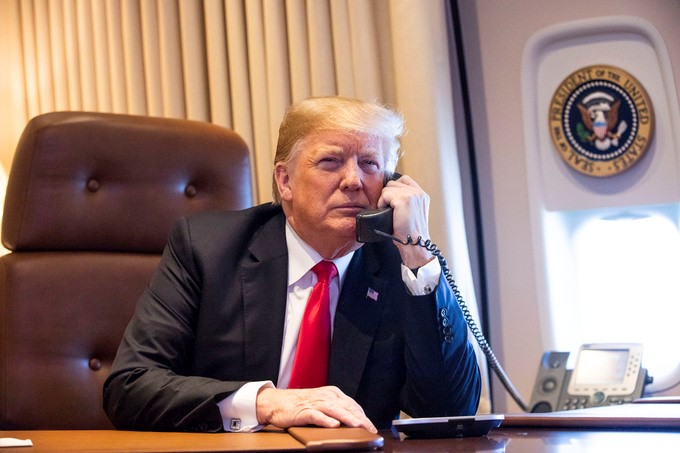
“This should have happened years ago, but we’re taking care of it now,” Trump said while announcing the orders from the Oval Office.
The decision immediately triggered questions about whether the president can change a citizenship rule that has been interpreted as a constitutional right for generations.
A new attempt to reshape a citizenship rule dating back to 1868
The heart of the dispute is the 14th Amendment, which was adopted in 1868, just three years after the end of the Civil War. The amendment established that people born in the United States and subject to its jurisdiction are citizens.
For more than 150 years, that principle has shaped American citizenship law, allowing most children born on US soil to become citizens regardless of their parents’ immigration status.
Trump’s administration argues that the policy has been stretched beyond its original intent. Officials say the system can be exploited by people who enter the country temporarily or illegally and later use their child’s citizenship as a connection to the United States.
The new executive order focuses on specific categories of cases. It directs agencies to deny automatic citizenship when both parents are non-citizens, and one parent falls into certain groups, including foreign terrorist organization members, foreign government employees, people accused of citizenship fraud, or certain individuals living in US territories where citizenship rules differ.
The administration describes the action as a national security measure, while critics argue that the president is attempting to limit a constitutional guarantee without a constitutional amendment.
That disagreement could push the issue back into federal courts for another legal showdown.
Birth tourism debate brings new numbers into focus.
One of Trump’s biggest arguments centers on birth tourism, a practice the administration says allows foreigners to enter the United States primarily to give birth.
The president has claimed that hundreds of thousands of babies have been born through birth tourism, but independent estimates place the number much lower.
The Migration Policy Institute, a nonpartisan research organization, estimates the figure may be around 22,000 to 26,000 births per year based on the broadest census-based calculations.
Government data cited by the institute recorded about 9,600 births in 2024 involving mothers with foreign addresses, highlighting the challenge of measuring how many births are specifically connected to planned birth tourism.
The administration argues that even a smaller number represents a loophole that should be closed.
White House adviser Stephen Miller said the concern is that some individuals enter the country as visitors, give birth, and then leave while their child retains American citizenship.
Critics counter that birthright citizenship is not simply an immigration benefit but a legal status created to prevent uncertainty over who belongs in the nation.
The disagreement is likely to continue as both sides debate whether birth tourism represents a major national issue or a relatively limited immigration concern.
Supreme Court’s earlier decision sets the stage for another fight.
Trump’s renewed push comes after his previous birthright citizenship order faced immediate legal challenges.
In 2025, shortly after returning to office, Trump signed an executive order seeking to restrict automatic citizenship for certain children born in America.
The policy was quickly challenged in court, eventually reaching the Supreme Court, which rejected the administration’s attempt to put the order into effect nationwide.
That decision did not end the debate. Instead, the administration returned with a narrower strategy focused on specific circumstances involving parents’ citizenship status.
The legal question now is whether the new approach avoids the constitutional problems raised by the earlier order or whether courts will view it as another attempt to bypass the 14th Amendment.
Legal experts expect the issue could become one of the most important immigration cases of Trump’s presidency.
A future Supreme Court ruling could determine not only the limits of executive power but also the future interpretation of citizenship rights in America.
The political stakes stretch beyond immigration policy.
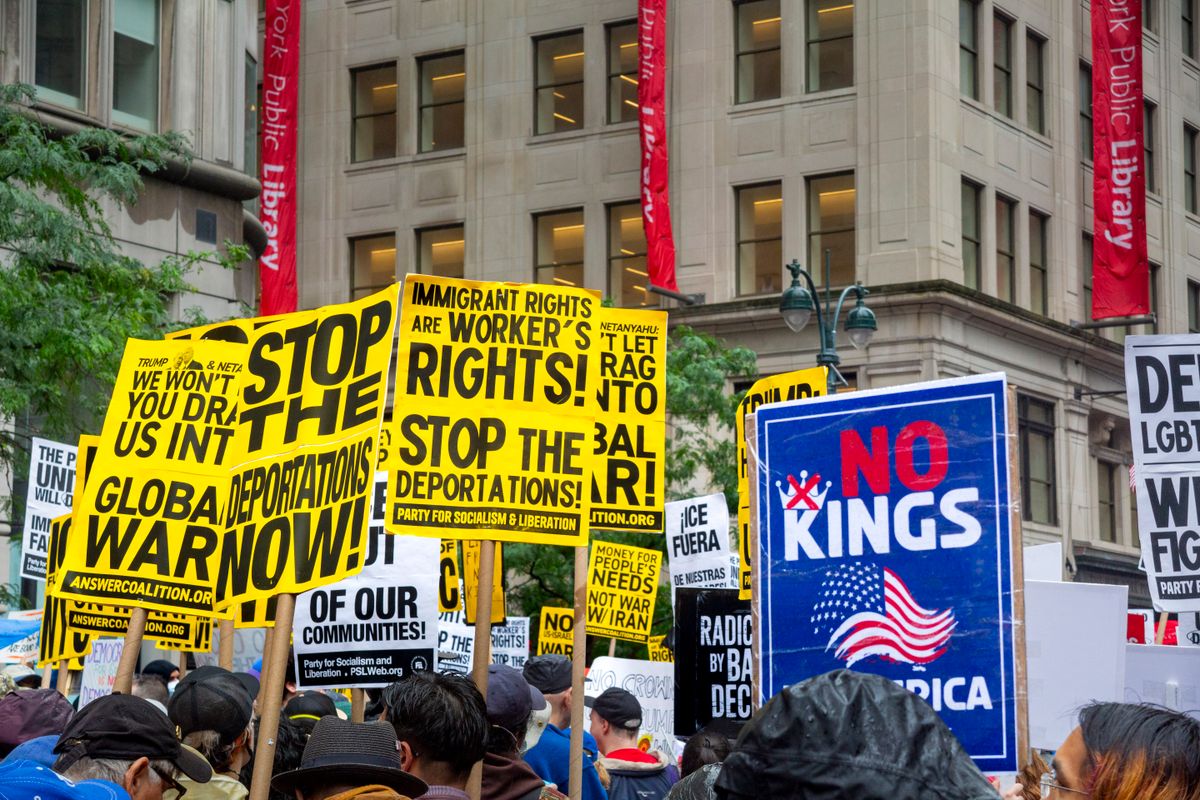
The birthright citizenship fight represents a larger disagreement over how America defines membership.
Trump and his supporters argue that citizenship should be protected from what they describe as exploitation of immigration rules. They say stronger restrictions are needed to maintain control over national borders.
Opponents argue that changing birthright citizenship would create uncertainty for millions of families and could undermine a principle that has existed for generations.
The issue also carries major political weight. Immigration remains one of the most important topics for voters, with millions of Americans closely watching how the administration handles border enforcement and citizenship rules.
With 50 states potentially affected and millions of future births tied to the outcome, the legal battle could have consequences far beyond the current administration.
A constitutional question with a future still unwritten
Trump’s latest executive orders do not immediately erase birthright citizenship across the United States. Instead, they begin another legal and political struggle over the boundaries of presidential authority.
The coming months could determine whether the administration’s narrower approach survives court challenges or whether judges once again block efforts to change long-standing citizenship rules.
More than 150 years after the 14th Amendment was adopted, America is facing the same fundamental question in a modern form:
Who becomes an American, and who has the power to decide?
That question is now headed back into the national spotlight, with the courts likely to have the final word.