Trump Says America Is Not Erade Showdown
President Donald Trump has drawn a hard economic line across the Atlantic, warning that the United States will no longer tolerate what he describes as Europe’s practice of extracting money from successful American technology companies.
“The United States of America is not a ‘PIGGYBANK’ for Europe, nor will we allow it to be,” Trump wrote. He said his statement should serve as notice that his administration would immediately begin a Section 301 investigation into what he called the “robbing” of American companies and, in turn, American taxpayers.
The announcement followed the European Commission’s decision to fine Google €890 million, about $1 billion, for two alleged violations of the European Union’s Digital Markets Act. Regulators imposed a €460 million penalty over claims that Google favored its own services in search results and another €430 million penalty after finding that Google restricted app developers from directing users toward alternative purchasing options outside Google Play.
Trump sees the decision as more than a dispute between one company and one regulator. He has framed it as part of a wider pattern in which Europe targets major American businesses, collects enormous penalties and then presents those actions as ordinary enforcement.
Trump Turns a Google Fine Into a National Fight
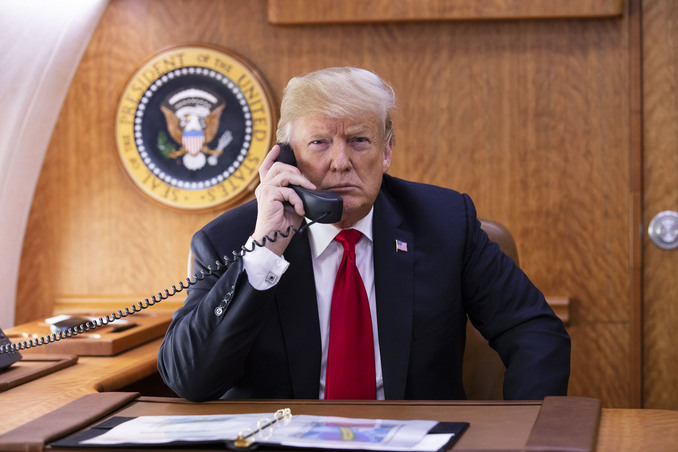
The president’s response was unmistakably confrontational. He accused the European Union of illegal and unethical conduct, demanded the reversal of penalties imposed on American companies and warned that substantial tariffs could follow at the earliest possible moment. His language transformed the Google case from a technical regulatory dispute into a potentially serious trade confrontation. Section 301 of the Trade Act of 1974 allows the United States to investigate whether foreign government actions are unreasonable, discriminatory, or harmful to American commerce. A finding against the European Union could open the door to tariffs or other trade measures. political argument is simple. American companies should not become easy revenue sources for foreign governments merely because they operate successfully abroad. In his view, penalties against Google and other U.S. technology giants weaken American businesses and ultimately affect workers, investors and taxpayers.
The comments supplied with the post reflected that view. One praised Trump as a leader who acts instead of making empty promises. Another described him as the first president the commenter could remember standing up so strongly for American companies.
Those reactions explain why the message is likely to connect with Trump’s supporters. It combines economic nationalism, skepticism toward European institutions and the belief that previous American leaders allowed allies to benefit at the United States’ expense.
Europe Says Its Laws Apply to Every Company

The European Union tells a sharply different story. Its regulators say the Digital Markets Act applies to powerful digital companies designated as “gatekeepers,” regardless of where they are based. The rules are designed to stop dominant platforms from using their control over search engines, app stores and online marketplaces to disadvantage competitors or limit consumer choice. Officials said Google gave its own shopping, hotel, transportation and sports services more prominent treatment than rival offerings in search results. They also said Google Play rules prevented app developers from freely promoting cheaper offers and completing transactions through other channels. The Commission ordered Google to end the practices and comply with its decisions. The word ” explanation ” appeared repeatedly in the Facebook reactions included with the post. Several commenters argued that any company doing business in Europe must obey European law, just as a European company operating in America must follow U.S. regulations and pay applicable taxes.
“In the U.S., American law is to be followed. In Europe, European law is to be followed,” one commenter wrote. Another argued that a corporation unhappy with a market’s rules remains free to stop operating there.
Those responses challenge Trump’s description of the fines as robbery. From the European perspective, the penalties are not an attack on the United States. They are consequences for conduct regulators determined violated rules within the European market.
That is the heart of the dispute. Washington sees pressure aimed disproportionately at American corporate champions. Brussels sees lawful enforcement against companies with extraordinary market power.
The Clash Reaches Far Beyond One Company
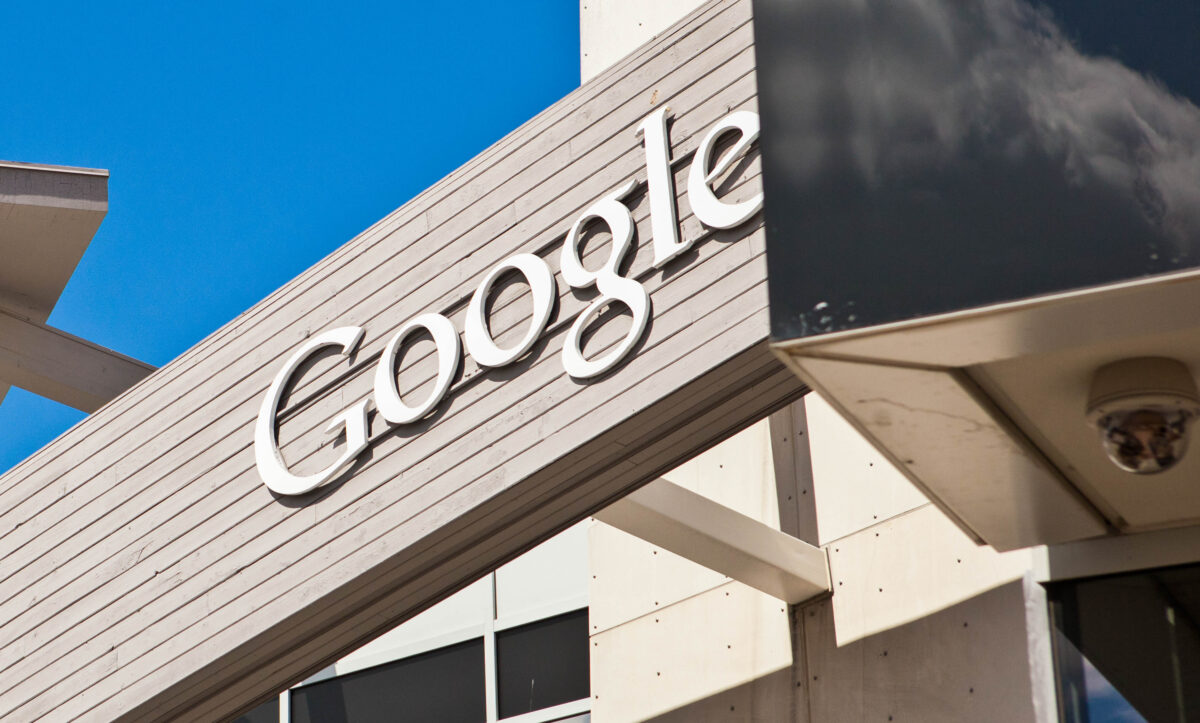
The argument carries consequences far beyond Google. American technology businesses dominate much of the global digital economy, while the European Union has created some of the toughest rules governing competition, privacy and online platforms.
That difference has produced years of tension. American officials and executives often argue that Europe places unusually heavy burdens on U.S. innovators. European leaders respond that a company’s size, wealth or nationality does not place it above local law.
Trump’s tariff warning raises the stakes. New duties on European goods could increase costs for importers and consumers, trigger retaliation against American exports and strain relations between two major trading partners. The threat could also give Washington leverage in negotiations over Europe’s treatment of U.S. technology firms.
The public comments show how deeply divided the issue is. Supporters see a president defending American businesses from foreign extraction. Critics see an attempt to protect powerful corporations from rules that apply wherever they choose to operate.
Other reactions took a middle path. One commenter wrote that every nation has the right to defend its economic interests, but fair trade and mutual respect offer the strongest foundation for long-term prosperity. Another asked the practical question at the center of the debate: If a European company opens a branch in the United States, must it pay American taxes and follow American law?
Trump, however, has chosen language designed to leave no doubt about his position. He is not treating the Google fine as an isolated legal decision. He is presenting it as a test of whether the United States will defend its companies when foreign regulators impose costly penalties.
The investigation will now have to separate political anger from legal evidence. It must determine whether European practices discriminate against American companies or whether Europe is simply applying strict rules to corporations that dominate its digital markets.
For now, Trump’s message is blunt: Europe may enforce its laws, but the United States will challenge any system it believes turns American success into a foreign government payday.