Trump Moves to Stop NYC’s Pied-à-Terre Tax as Debate Over Luxury Homes and Housing Costs Grows
President Donald Trump is pushing back against New York City’s proposed pied-à-terre tax, placing a new spotlight on the long-running debate over luxury housing, affordability, and who should pay more in one of America’s most expensive real estate markets.
The proposed tax would target owners of high-value secondary residences in New York City, particularly wealthy individuals who maintain luxury apartments or homes but do not use them as their primary residence. Supporters argue the measure could generate significant revenue and help address housing challenges, while opponents say it unfairly targets property owners and could discourage investment.
Trump’s effort to halt the policy adds another political battle between the federal government and New York officials over taxation, housing policy, and the future of the city’s real estate market.
Trump Challenges New York City’s Luxury Home Tax Proposal
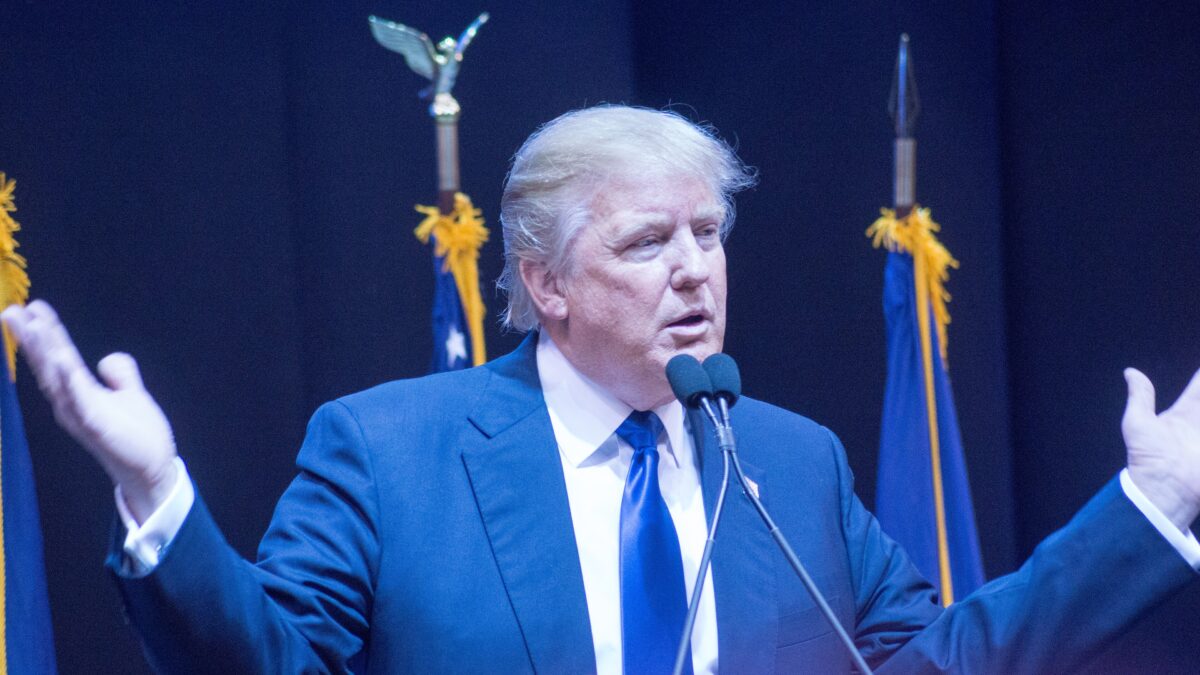
The Trump administration has taken steps aimed at stopping New York City from moving forward with a pied-à-terre tax, a proposal designed to place an additional financial burden on owners of expensive second homes.
The term “pied-à-terre” refers to a secondary residence, often a luxury apartment or condominium used occasionally rather than as a full-time home. In New York City, these properties are frequently owned by wealthy individuals who live elsewhere but maintain residences in Manhattan and other high-demand neighborhoods.
Supporters of the tax argue that many luxury units remain empty for much of the year while New York faces a shortage of affordable housing. They believe taxing these properties could fund housing programs and encourage more efficient use of limited housing space.
Opponents, including Trump and other critics, argue that the proposal represents excessive taxation and could harm New York’s real estate market.
The Debate Over Second Homes and Housing Affordability
New York City has long struggled with housing affordability. Rising rents, limited housing supply, and high demand have made it one of the most expensive places to live in the United States.
Supporters of the pied-à-terre tax argue that luxury second homes contribute to the city’s affordability problems by reducing available housing inventory.
They point to wealthy property owners who purchase multi-million-dollar apartments but spend only limited time in them. According to supporters, these homes could otherwise be available for full-time residents.
The proposed tax has therefore become part of a larger discussion about wealth, housing inequality, and whether the city should require those with the greatest financial resources to contribute more.
Why Trump Opposes the Pied-à-Terre Tax
Trump’s opposition reflects his broader criticism of policies that increase taxes on property owners and wealthy investors. Critics of the tax argue that New York already has some of the highest taxes in the country and that additional costs could make the city less attractive to investors.
They warn that luxury property owners could respond by moving investments elsewhere, reducing real estate activity and potentially affecting jobs connected to construction, finance, and property management.
Trump and his allies have argued that policies targeting high-value property owners could have unintended consequences for the city’s economy.
They also question whether additional taxes would actually solve New York’s housing challenges or increase government revenue without addressing the underlying shortage of homes.
New York Officials Defend the Need for More Housing Revenue
Supporters of the pied-à-terre tax say the city needs additional resources to address its housing crisis. New York officials have repeatedly highlighted the need for more affordable housing development, tenant protections, and investments in struggling communities.
They argue that wealthy owners of luxury secondary residences should contribute more because they benefit from the city’s infrastructure, public services, and economic opportunities. Supporters view the tax proposal as a way to ensure that those benefiting from New York’s global status also help support the city’s future.
The debate reflects a larger disagreement over whether economic growth should depend primarily on attracting wealthy investors or whether those investors should contribute more to solving local challenges.
Real Estate Industry Warns of Possible Economic Impact
The real estate industry has generally opposed the pied-à-terre tax, warning that it could create uncertainty in New York’s property market.
Industry groups argue that luxury real estate plays an important role in the city’s economy. They say buyers of expensive properties contribute through existing taxes, spending, and economic activity.
Some developers and brokers worry that additional taxes could discourage wealthy buyers from purchasing homes in New York, especially as cities around the world compete for international investment.
They argue that policies increasing the cost of ownership could weaken an already changing real estate market. The disagreement highlights the challenge policymakers face when trying to balance revenue needs with economic competitiveness.
A Political Fight Over the Future of New York Housing
The fight over the pied-à-terre tax represents more than a disagreement about one policy. It reflects competing visions for the future of New York City.
One side sees the tax as a tool to address inequality and generate funding for housing programs. The other views it as another burden on property owners that could damage investment and economic growth.
The issue also carries political significance because housing affordability has become a major concern in cities across America.
Officials in many urban areas are exploring new ways to increase housing supply and fund affordable housing initiatives. At the same time, critics argue that excessive regulation and taxation can make housing markets less flexible.
What Happens Next for the Pied-à-Terre Tax Debate
The future of New York City’s pied-à-terre tax remains uncertain as federal and local officials continue to debate the issue. Supporters are expected to continue pushing for policies aimed at increasing housing revenue and addressing affordability challenges.
Opponents will likely continue arguing that the tax could hurt investment and create additional financial pressure on property owners. The outcome could influence future housing debates beyond New York, as other major cities consider similar approaches to luxury properties and unused residential space.
For now, the dispute places Trump and New York officials on opposite sides of a broader national conversation about taxes, housing, and economic fairness.
The debate over the pied-à-terre tax ultimately raises a fundamental question: Should luxury homeowners contribute more to address urban challenges, or do higher taxes risk creating new problems for the cities trying to attract investment?
As New York continues facing pressure over housing costs, the answer could shape the city’s real estate policies for years to come.