Avoiding Inappropriate Conversations at Work for a Professional Environment
Maintaining professionalism in the workplace goes beyond your work output ,it extends to the conversations you engage in. Office interactions can quickly shift from friendly to uncomfortable if sensitive topics arise, causing tension and potentially violating company policies. Recognizing what constitutes inappropriate conversation and learning how to navigate these areas is essential for creating a safe and respectful work culture. We will explore the common discussion categories best avoided and provide practical guidance for handling these situations.
Steering Clear of Political Discussions
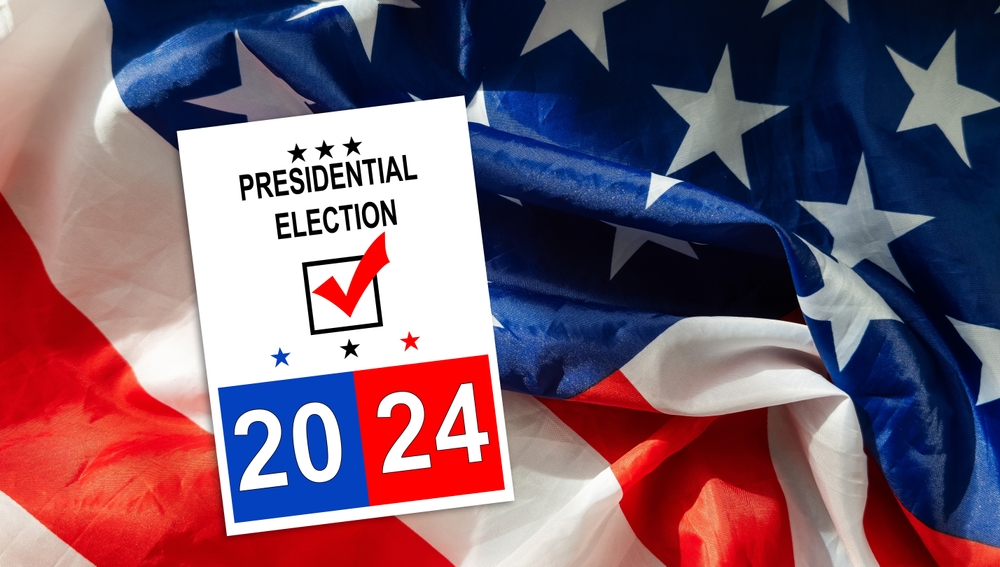
Political debates in the workplace can escalate faster than most realize. Questions like “Who did you vote for?” or commentary on current events may seem harmless at first, but can quickly create division. Even colleagues with similar political leanings can clash when their perspectives differ on policy decisions, elections, or political leaders. Engaging in political arguments can erode professional relationships, create tension during team collaborations, and distract from workplace objectives.
Instead of diving into political discussions, redirect conversations to neutral topics. Focus on shared interests or work-related achievements rather than personal beliefs. Encouraging inclusive and respectful dialogue minimizes conflict and promotes a cohesive team environment. By steering clear of partisan debates, employees maintain focus on collaboration and productivity, avoiding unnecessary stress and potential HR involvement.
Avoiding Religion-Based Conversations

Faith is a deeply personal subject, and discussions about religion can easily offend or alienate colleagues. Asking about beliefs, proselytizing, or making assumptions about religious practices risks creating discomfort or exclusion. Even casual remarks like “God bless you” can unintentionally highlight differences or lead to misunderstandings, making coworkers feel uneasy in a professional setting.
To maintain a respectful environment, refrain from initiating religious discussions. Celebrate diversity quietly and respect others’ beliefs without commentary. Conversations can instead focus on common interests, professional development, or cultural experiences unrelated to faith. This approach supports a welcoming atmosphere and avoids inadvertently creating tension or conflict around deeply held convictions.
Steering Away from Identity Questions
Inquiries or comments about someone’s race, gender, sexual orientation, or age are strictly off-limits in professional conversations. Questions like “Are you gay?” or “How old are you?” are invasive, potentially discriminatory, and irrelevant to workplace performance. Even compliments about diversity connections can be misinterpreted as patronizing or inappropriate.
Focus on treating colleagues as individuals rather than categorizing them by identity. Conversations should center on skills, achievements, and collaborative efforts, rather than personal characteristics. By avoiding these topics, you prevent uncomfortable situations, reduce the risk of legal issues, and foster a more inclusive work environment.
Eliminating Sexual Discussions
Any mention of sexual topics is unacceptable in a professional setting. Jokes, stories, or personal experiences relating to sex can lead to harassment claims and severely damage workplace morale. Even seemingly humorous comments are risky and may be interpreted as offensive or intrusive, undermining trust and professional credibility.
Employees should keep sexual discussions strictly outside the workplace. If humor is necessary, ensure it is universally appropriate and unrelated to sexual content. Maintaining boundaries preserves professional integrity, protects colleagues from discomfort, and reinforces a culture of respect and safety.
Avoiding Comments on Appearance or Body
Comments about a coworker’s body, attire, or physical fitness, even intended as compliments, can cross boundaries and create discomfort. Remarks like “You look great in those pants” or “Have you been working out?” may be interpreted as intrusive or suggestive. Negative remarks, even in jest, can exacerbate the risk and cross into harassment.
Instead, focus on professional achievements, ideas, and contributions when engaging with colleagues. By refraining from discussing personal appearance, you maintain a neutral and respectful environment. This ensures conversations remain professional, fostering trust and mutual respect.
Steering Clear of Offensive Language and Humor
Offensive jokes, inappropriate slang, or excessive swearing can damage credibility and alienate colleagues. Language that might seem casual to one person may offend another, creating tension and eroding workplace cohesion. Humor that targets sensitive topics or personal characteristics is particularly problematic, leaving a lasting negative impression.
Employees should use neutral and professional language, reserving personal humor for outside interactions. Clear communication, free of offensive content, promotes a comfortable atmosphere and encourages collaboration. Being mindful of tone and word choice strengthens interpersonal relationships and reduces potential conflicts.
Minimizing Gossip

Gossip may seem harmless, but it can create a toxic workplace culture. Sharing rumors about colleagues or management erodes trust and diverts focus from productive tasks. Additionally, gossip can come back to you, damaging your reputation and credibility within the team.
Avoid participating in office gossip by redirecting conversations to constructive topics. Encourage positive dialogue that highlights achievements, teamwork, or professional development. By eliminating gossip, you contribute to a supportive, focused, and professional environment.
Refraining from Personal Finance Discussions

Personal financial information is private, and sharing it can make colleagues uncomfortable. Conversations about salaries, debts, or spending habits may create tension or resentment, leading to awkwardness in professional relationships. Pressuring someone to reveal financial details is particularly inappropriate.
Keep financial discussions limited to professional contexts, such as compensation policies, benefits, or budgetary responsibilities. Respecting privacy preserves trust and prevents unnecessary discomfort. By avoiding personal finance topics, you uphold professional boundaries and minimize workplace conflict.
Managing Personal Opinions Wisely
Unsolicited opinions on lifestyle, health, or personal choices can disrupt workplace harmony. Comments like “You should exercise more” or “I think this is the best approach” may be perceived as judgmental or intrusive, affecting relationships and collaboration.
Only share opinions when requested and ensure they are delivered respectfully and objectively. Prioritize constructive feedback over personal commentary. This approach maintains professionalism, encourages productive dialogue, and supports a positive workplace culture.
Conclusion
Workplace conversations shape the culture, professionalism, and overall environment. Avoiding sensitive topics such as politics, religion, identity, sexual content, appearance, offensive language, gossip, personal finances, and unsolicited opinions is critical to maintaining respect and safety. Redirecting discussions toward neutral, inclusive, and professional subjects ensures collaboration thrives and conflicts are minimized. Encouraging mindfulness in speech not only protects your reputation but also strengthens workplace relationships, making communication effective and enjoyable for everyone.