10 Everyday Foods That Could Quietly Poison Your Dog
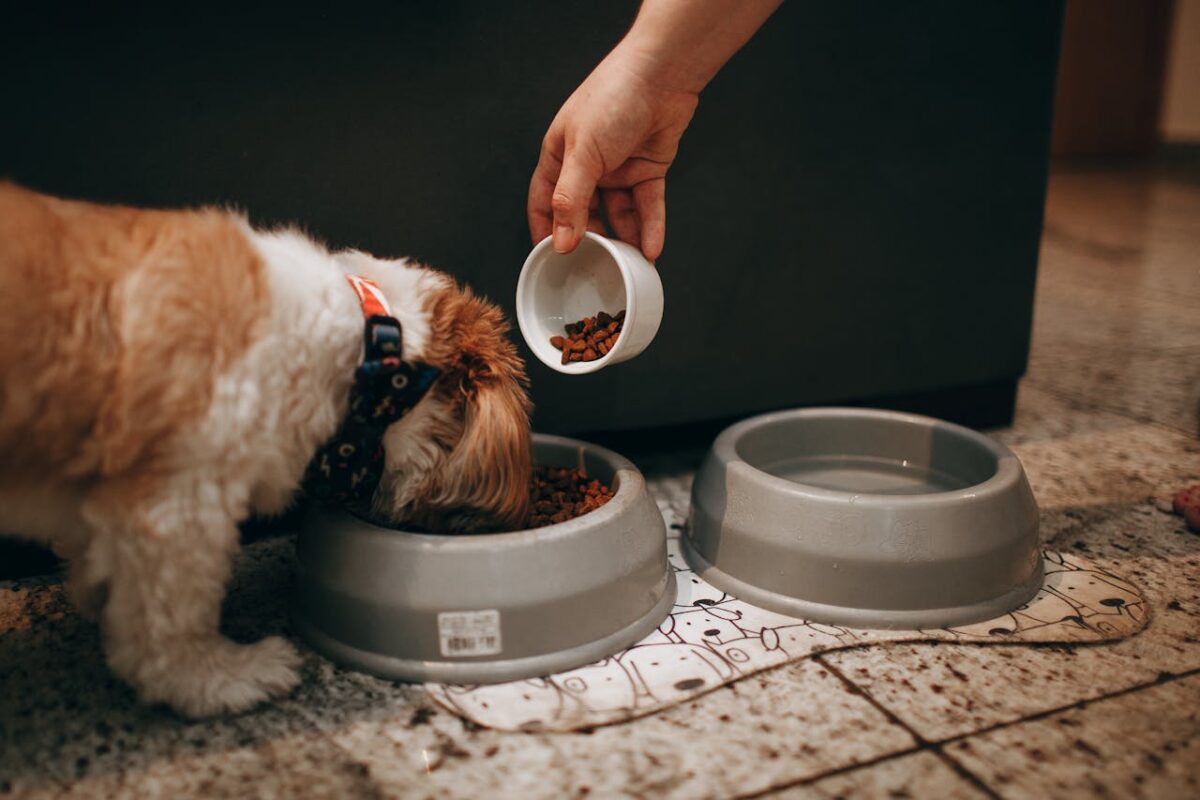
Dogs are experts at looking innocent while hunting for trouble. One moment, they are snoozing peacefully, the next, they are sniffing chocolate crumbs, chewing gum wrappers, or staring at your dinner plate like they pay rent. The scary part is that many human foods that seem harmless can put a dog in serious danger in just a few bites.
Pet owners need more than a “no begging” rule. They need to know which foods can quietly become harmful, attacking the stomach, organs, or nervous system. Some foods cause mild upset, others trigger life-threatening conditions. Here’s a list of ten foods that should never be your dog’s snack.
Chocolate

Chocolate is one of the most common household hazards for dogs. It contains theobromine and caffeine, stimulants that dogs metabolize far more slowly than humans. Dark chocolate and baking chocolate are the worst because they pack the highest levels. Even a small amount can lead to vomiting, restlessness, a racing heartbeat, or seizures. Chocolate is hidden in desserts, candy bowls, and holiday treats, making careful storage essential to prevent accidents.
Grapes and Raisins
Grapes and raisins are deceptively small but can be deadly. Even a few bites may trigger sudden kidney failure in some dogs, while others might seem unaffected. Symptoms include vomiting, loss of appetite, and unusual thirst or urination. Trail mix, fruitcake, and cereals often hide grapes or raisins, so owners should never assume any portion is safe. These tiny fruits carry risks that can escalate quickly.
Xylitol

Xylitol is a hidden threat found in sugar-free gum, mints, candies, peanut butter, and baked goods. It triggers a rapid insulin spike in dogs, causing a dangerous drop in blood sugar. Weakness, vomiting, seizures, or even liver failure can occur within hours. Check labels carefully for “sugar-free” or “birch sugar,” because what seems like a harmless treat can turn into a medical emergency in minutes.
Onions and Garlic
All onions, garlic, chives, and leeks are toxic to dogs. They damage red blood cells and can cause anemia, often without immediate symptoms. Dogs may appear weak, pale, or lethargic as the condition develops. Foods like pizza, sauces, gravies, and leftovers often hide these ingredients, making table scraps far riskier than they seem. Even cooked or powdered forms are dangerous.
Alcohol and Raw Dough
Alcohol is never safe for dogs, even in tiny amounts. Beer, wine, liquor, or alcohol-soaked desserts depress the nervous system and can cause vomiting, tremors, slowed breathing, or worse. Raw yeast dough is another hazard because it expands in the stomach and produces alcohol as it ferments. Both are serious risks during parties or baking sessions, and access must be strictly prevented.

Caffeine
Coffee, tea, energy drinks, and even chocolate-covered coffee beans overstimulate dogs’ hearts and nervous systems. They can experience rapid heartbeat, panting, tremors, vomiting, or seizures. Coffee grounds, espresso beans, and pre-workout powders are just as dangerous. Even small spills left unattended on counters or tables can become life-threatening if a dog samples them.
Macadamia Nuts
Macadamia nuts can cause sudden weakness, tremors, overheating, and even difficulty walking. The exact mechanism of toxicity isn’t fully understood, but even a few nuts can make a dog ill. Cookies, snack bars, and desserts often include them. Never assume a small amount is safe. Hidden macadamia nuts remain a serious threat.
Avocado
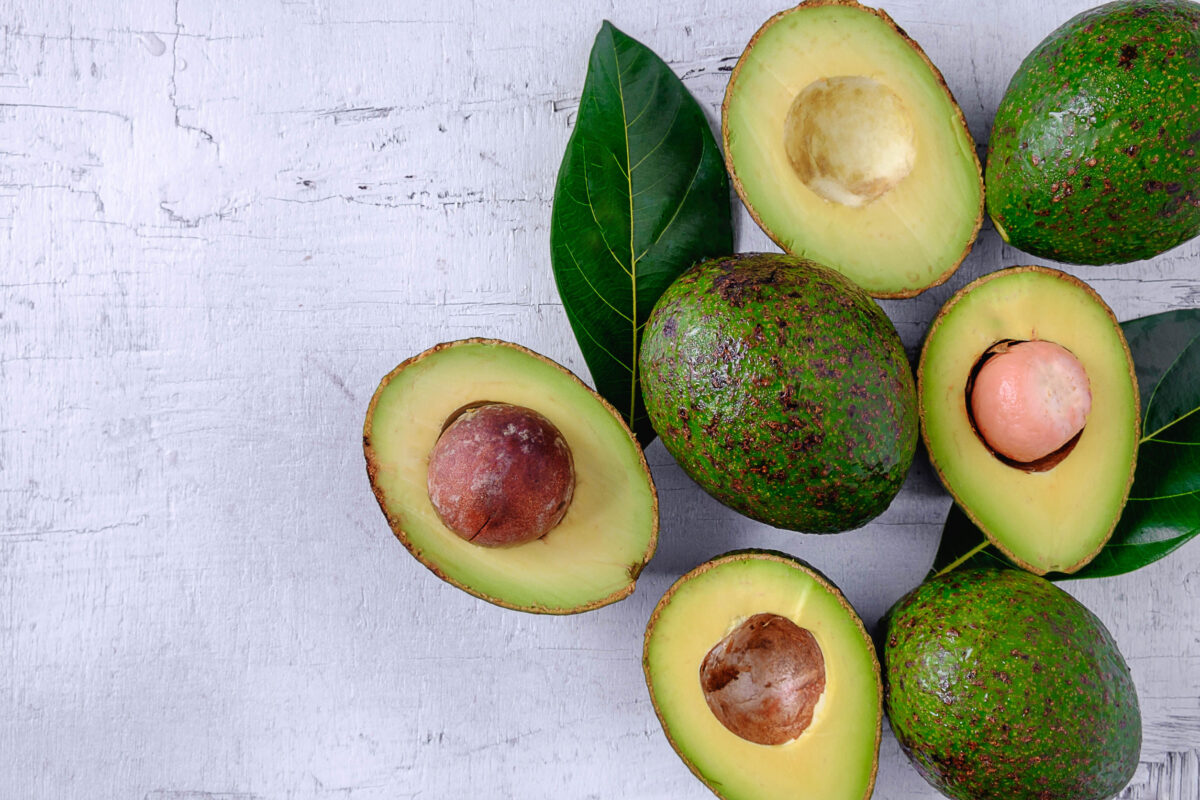
Avocado may seem healthy, but it can upset a dog’s stomach, cause gastrointestinal issues, and even create a choking hazard. The pit is particularly dangerous. Guacamole increases the risk due to the added onion, garlic, salt, or spices. One bite can trigger discomfort or worse, so it’s far safer to stick with dog-friendly fruits like apples or blueberries.
Salty Snacks
Excessive salt can harm a dog’s system quickly. Chips, pretzels, cured meats, and salted popcorn may trigger vomiting, diarrhea, tremors, or even seizures. Dogs often raid snack bowls or garbage, ingesting larger portions than humans realize. Opt for low-sodium dog treats instead, and keep human snacks out of reach to avoid dangerous overconsumption.
Moldy or Spoiled Foods
Moldy or spoiled foods contain toxins that attack dogs’ digestive or nervous systems. Rotten bread, fruit, nuts, or leftovers can make a dog vomit, tremble, or suffer organ damage. Trash and compost bins are frequent trouble spots. Preventing access to spoiled foods is far better than waiting for emergency treatment at the vet.
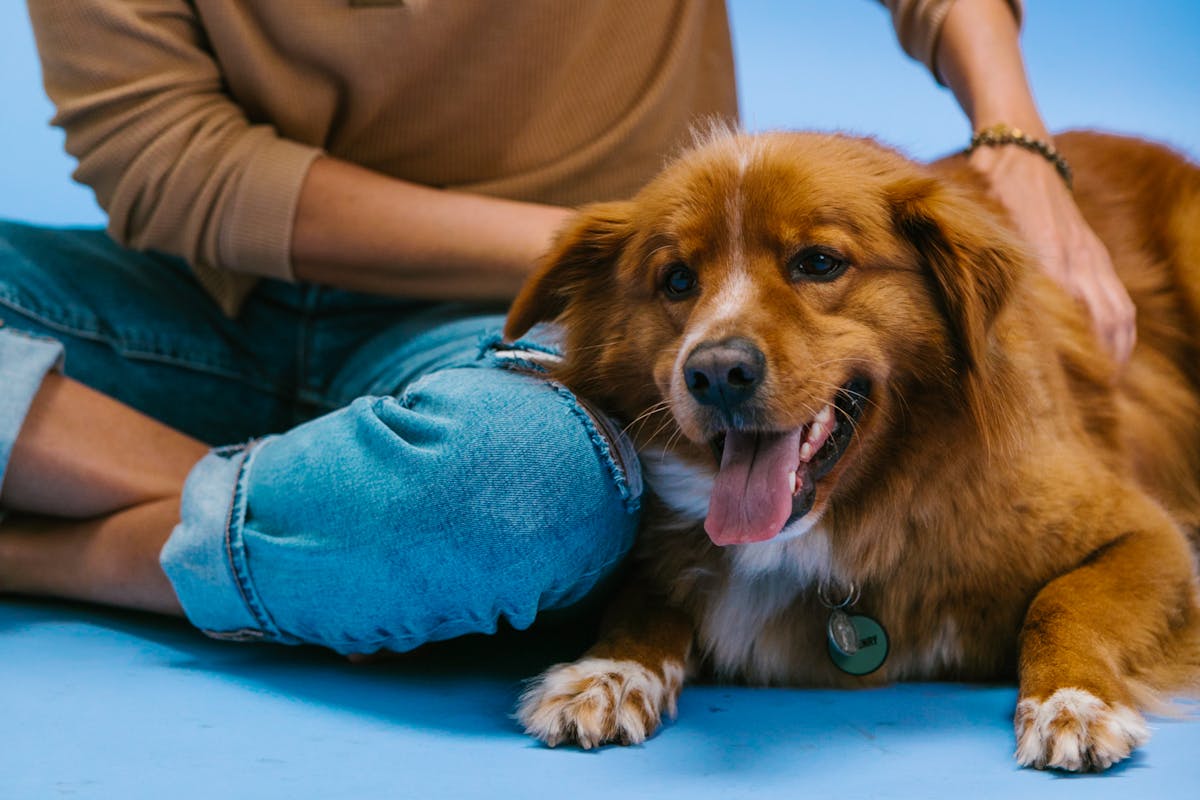
Dogs don’t know which human foods are safe. The responsibility rests entirely with owners, from the kitchen to the table, and even during parties. Chocolate, grapes, xylitol, and more can quietly become life-threatening, so prevention is key. Treats should be safe, not risky, and keeping dangerous foods out of reach ensures your dog enjoys happy, healthy, and worry-free meals every day.