Top 10 Worst States in The US for Middle-Class Taxpayers
When it comes to taxes, not all states are created equal. The most regressive tax systems disproportionately burden middle-income families, leaving them to pay a significant share of their earnings in state and local taxes.
In these states, consumption taxes, property taxes, and flat income tax systems combine to place an unfair tax burden on the middle class. Below, we highlight the states where the middle class feels the pinch the hardest, from steep income taxes to excessive reliance on sales and excise taxes.
Washington

Washington’s tax system is one of the most regressive in the country. While the state doesn’t impose an income tax, it more than makes up for it with an over-reliance on consumption taxes.
Middle-class families in Washington pay an average of 11% of their income in state and local taxes, while the top 1% pay just 3%. The state’s heavy reliance on sales and excise taxes leaves everyday consumers paying a larger share of their income in taxes compared to the wealthiest residents.
Florida
Florida is often touted as a “tax-friendly” state, especially because it has no state income tax. However, the truth is far more complex. While middle-class families pay 8.1% of their income in state and local taxes, the wealthiest pay only 2.3%.
This is due to Florida’s significant dependence on sales and excise taxes, which disproportionately affect lower- and middle-income households who spend a larger portion of their income on taxable goods and services.
Texas
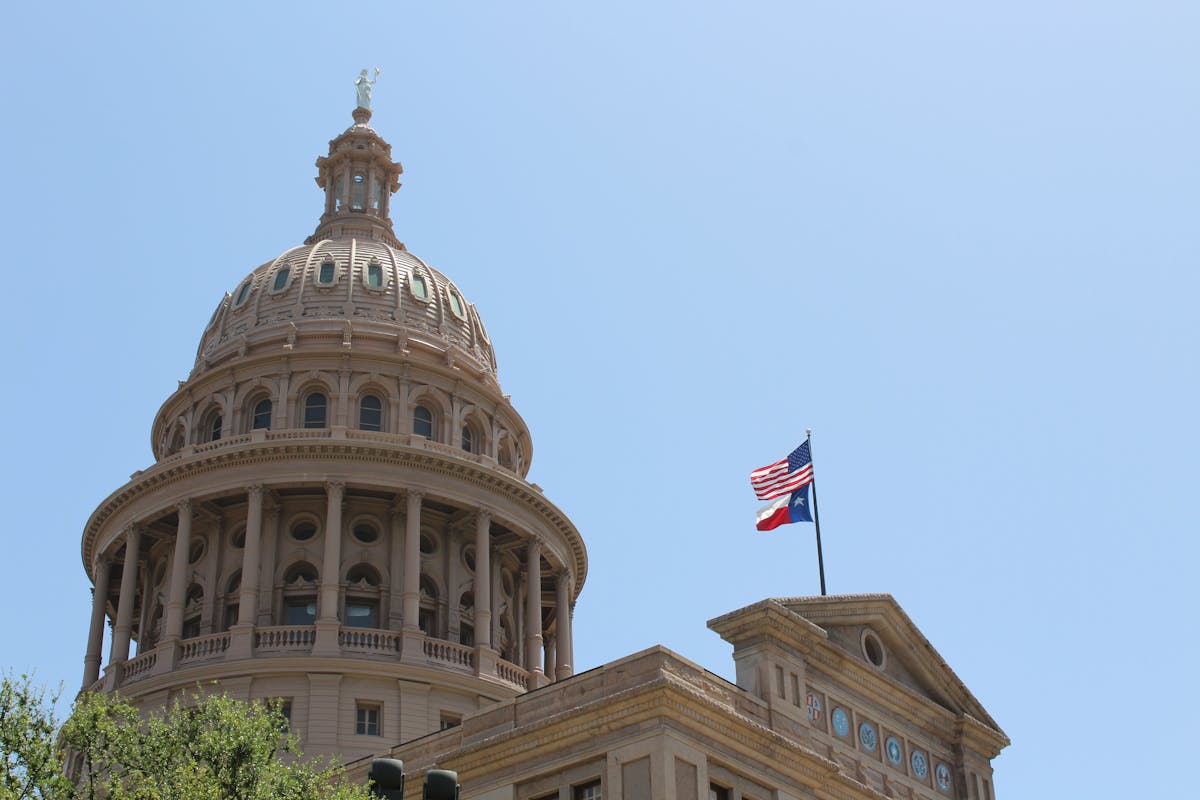
Texas boasts no income tax, making it appealing to many. However, this benefit is outweighed by the state’s high reliance on regressive sales and excise taxes. The middle class in Texas pays a 9.7% tax rate, while the top 1% pays only 3.1%.
This uneven burden highlights how sales taxes hit the poorest the hardest, leaving middle-income families to carry the weight of funding state services.
Tennessee
Similar to other no-income-tax states, Tennessee’s tax system is tilted in favor of the wealthy. Middle-class households in Tennessee pay 8.6% of their income in state and local taxes, while the wealthiest pay just 2.8%.
The state relies heavily on consumption taxes, especially on food, which adds to the overall tax burden on lower- and middle-income residents.
Nevada

Nevada’s tax system is another example of how a state with no income tax can still be taxing for the middle class.
Sales and excise taxes dominate the state’s revenue, causing the middle class to pay 7.6% of their income in taxes, while the top 1% contribute only 1.9%. This stark disparity makes Nevada one of the most regressive tax systems in the country.
South Dakota
South Dakota relies heavily on sales and excise taxes, which disproportionately burden middle-class families. The middle 20% of households in South Dakota pay 7% of their income in state and local taxes, while the wealthiest pay only 2.5%.
This regressive structure is especially harmful to families who spend a significant portion of their income on goods and services subject to sales tax.
Wyoming
Although Wyoming does not have an income tax, it makes up for that with high consumption taxes. The middle class in Wyoming pays 7.5% of their income in state and local taxes, while the wealthiest pay just 2.6%.
Like other states that depend heavily on sales taxes, the middle class ends up carrying a heavier tax burden despite the absence of a state income tax.
Oklahoma
Oklahoma is one of the most regressive states for middle-class taxpayers. While middle-income families pay 10.7% of their income in state and local taxes, the top 1% pay just 6.2%. Oklahoma’s flat tax structure, which applies the same income tax rate to all earners, contributes to this disparity.
Sales taxes, which disproportionately impact lower-income households, further exacerbate the burden on the middle class.
Illinois

Illinois falls in the middle 20 percent, with a 12.6 percent rate, while the top 1 percent pays 7.3 percent. That wide gap helps explain why Illinois ranks among the most regressive systems, even though it is not a no-income-tax state.
Louisiana
Louisiana’s middle-class rate reaches 12.5 percent, compared with 6.5 percent for the top 1 percent.
Its tax mix helps explain the squeeze, because ITEP shows Louisiana gets 50.9 percent of total tax revenue from sales and excise taxes.
Conclusion
The states with the worst tax burdens on the middle class show a consistent pattern of regressive systems that favor the wealthy while squeezing middle-income households.
These states often rely heavily on sales and excise taxes, which are inherently more burdensome for lower-income families. While some states boast no income tax, this does not always translate to a fair tax system. Middle-class taxpayers in these states bear the brunt of the tax burden, making their financial situations harder to manage.
The key takeaway is that tax systems should be progressive, ensuring that wealthier households contribute their fair share while providing relief for middle-income households.