5 Bacon Storage Mistakes That Waste a Perfectly Good Breakfast
You cooked extra bacon because tomorrow deserved a head start. Then breakfast ran late, the strips sat beside the stove, and someone eventually slid the plate into the refrigerator under a paper towel. By morning, that smart shortcut comes with questions.
Leftover bacon needs proper storage, even when it looks and smells fine. The FDA warns that food can contain harmful bacteria without obvious signs of spoilage. Meanwhile, problems such as freezer burn can damage quality without making food unsafe. Understanding that distinction helps you avoid both unnecessary waste and risky guesswork.
These five mistakes are easy to make, but small changes can help those extra strips make it to another meal.
Leaving the Bacon out While You finish Everything Else
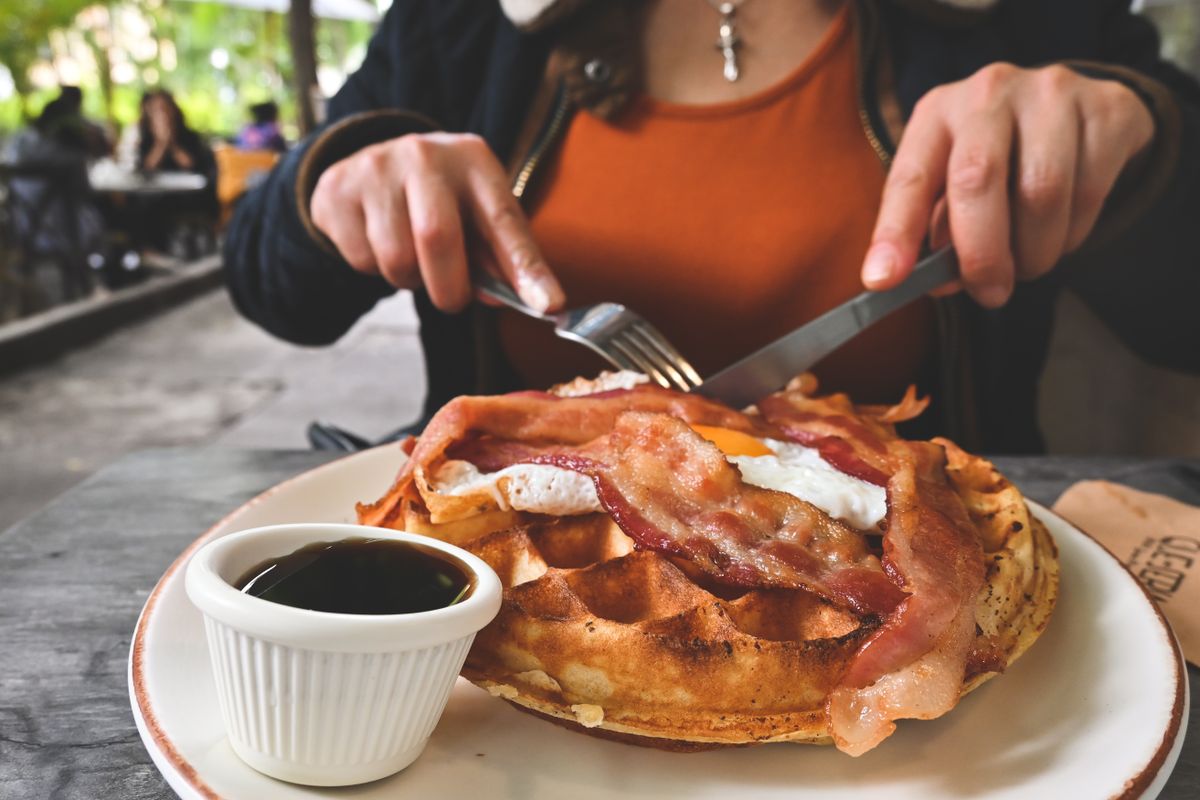
A platter beside the stove can disappear into the background while you wash dishes, check messages, and decide whether anyone wants seconds. Unfortunately, the storage clock keeps moving through all those small distractions.
USDA’s leftovers guidance recommends refrigerating perishable leftovers within two hours of cooking or removing them from equipment that keeps them hot. When the surrounding temperature exceeds 90°F, that window drops to one hour.
Treat those limits as deadlines, rather than permission to leave bacon sitting until the final minute. Once breakfast is over and you know what you’re saving, make putting it away part of clearing the table.
Ordinary skillet bacon also differs from commercially manufactured shelf-stable products. According to USDA’s bacon guidance, those products receive processing designed for room-temperature storage. Your home-cooked batch still belongs in the refrigerator.
Assuming a Paper Towel Counts as Proper Packaging
A paper towel over a plate feels like a finished job, especially when you’re rushing out. But it does not provide the protection of a properly covered container or sealed storage bag.
USDA recommends covering leftovers, sealing them in containers, or using airtight packaging. This helps protect against contamination, retain moisture, and limit odors absorbed from neighboring foods. Yesterday’s bacon should not have to share the personality of everything else on the shelf.
Choose a clean, lidded food-storage container or sealable bag. Check the closure before walking away. One lifted corner or an unfinished zipper seal can undermine an otherwise sensible storage plan.
Packaging has limits, however. A tight lid cannot compensate for an overly warm refrigerator or extend the recommended storage period. The FDA recommends keeping the refrigerator at 40°F or below and checking it with an appliance thermometer, rather than trusting the control dial alone.
Waiting for It to become Completely Cold
The instruction to let food cool before refrigerating it has caused plenty of confusion. Some people interpret it as a reason to leave leftovers on the counter until every trace of warmth disappears.
USDA says hot food can go directly into the refrigerator, and small quantities can be refrigerated immediately. For leftover bacon, waiting for it to cool completely at room temperature adds an unnecessary delay.
The more useful consideration is how you arrange the food. A large batch packed into one deep container will not cool as efficiently as smaller portions in shallow containers. USDA recommends dividing large amounts to encourage rapid cooling.
If you cooked for a crowd, spread the leftovers among suitable containers rather than creating one tightly packed pile. A modest breakfast batch needs a suitably sized shallow container.
Leave room for cold air to circulate, too. The FDA cautions against crowding the refrigerator so tightly that airflow is restricted.
Letting the Refrigerator become a Bacon Retirement Home
A container pushed behind the jam can easily become next week’s mystery. Refrigeration buys time, but it does not remove the need to remember when the bacon was cooked.
USDA’s bacon-specific chart lists four to five refrigerated days for home-cooked leftover bacon. Its general leftovers guidance recommends three to four days. Using or freezing cooked bacon within four days is a straightforward, conservative household routine.
Write the cooking date on the container before it joins the refrigerator’s collection. A label takes less effort than reconstructing several mornings of breakfasts while standing with the door open. When you already know the bacon will not be eaten soon, freeze it promptly. USDA recommends freezing food while it’s still good.
Don’t let an ordinary smell override an uncertain timeline. The FDA warns that unsafe food can look, smell, and taste normal. Familiar-looking strips cannot answer questions about forgotten storage history.
Freezing It in a Bag Full of Air
Freezing helps preserve leftovers, but packaging still matters. Loose wrapping and poorly sealed bags leave food exposed to air, which can cause dry, leathery freezer burn.
USDA explains that freezer burn affects quality, not safety. Use freezer-safe packaging and press out excess air before sealing. Divide bacon into useful portions and date each package.
Keep the freezer at 0°F or below. USDA recommends one month for the best quality of home-cooked leftover bacon; properly handled food continuously frozen at 0°F remains safe beyond that window.
Freezing cannot repair earlier mishandling. Put away bacon promptly, protect it properly, and date every package. Tomorrow’s breakfast becomes easier when today’s cleanup includes those few steps.