7 Once-Common Funeral Traditions That Have Faded or Are Changing in America
American funeral customs have changed in ways that would surprise many people today. Long before funeral homes became the familiar places for memorial services, families often handled many parts of saying goodbye themselves.
Mourning could involve special clothing, elaborate keepsakes, photographs of deceased relatives, and gatherings that looked quite different from modern funeral ceremonies. Some of these traditions reflected the social expectations of their time, while others offered families personal ways to remember someone they had lost.
Although not every community followed the same customs, these seven historical practices offer an interesting look at how Americans have approached death, grief, and remembrance.
Holding Funeral Viewings in the Family Parlor
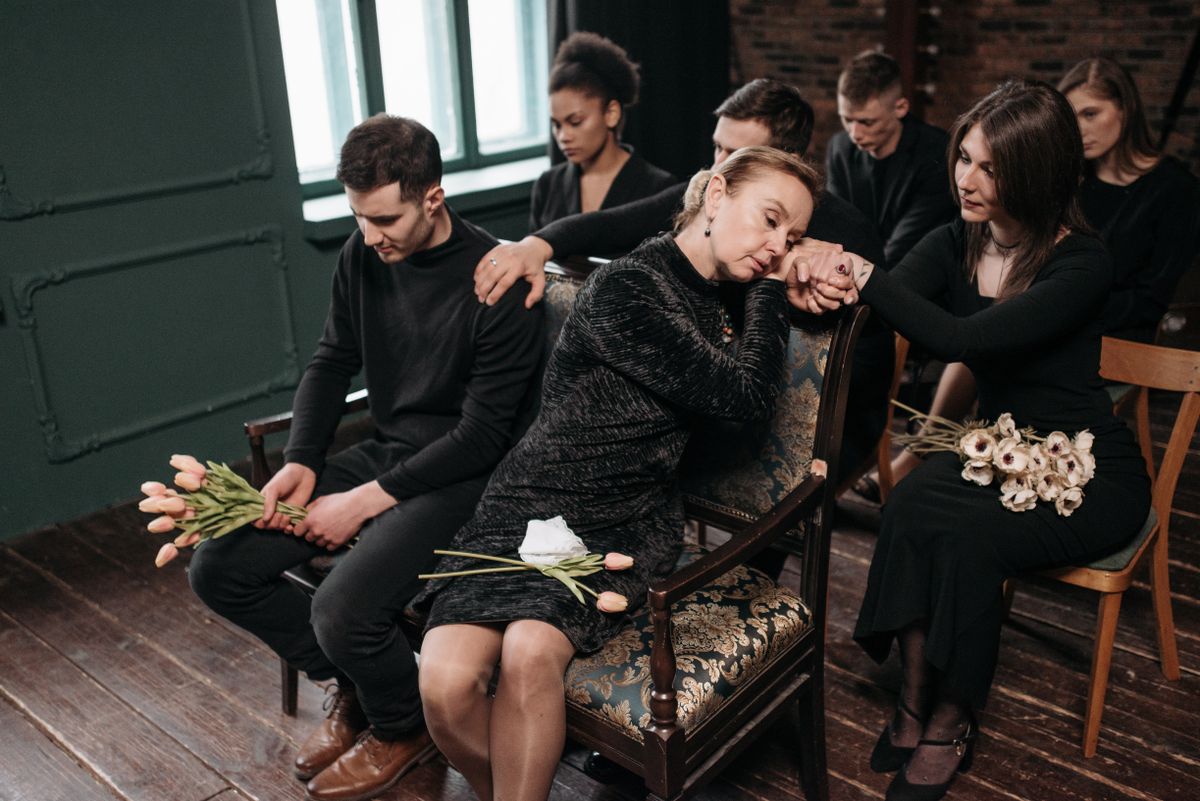
During the 19th century, a family’s parlor often served a purpose beyond welcoming visitors and hosting social gatherings. In some American households, it became the place where relatives, friends, and neighbors gathered to pay their respects to someone who had died.
Home wakes and viewings gave members of the community an opportunity to say goodbye before burial. The family parlor was a familiar setting, making it a natural place for such gatherings.
However, funeral arrangements gradually became more professionalized. As funeral homes became established during the early 20th century, they increasingly offered dedicated facilities for preparing and viewing the deceased. This changed where many families held funeral gatherings, although home funerals have not disappeared entirely.
Having Family Members Prepare Loved Ones for Burial
Before professional funeral services became widely established, preparing someone for burial was often a responsibility handled by relatives and community members.
According to the National Museum of Civil War Medicine, family members, particularly women, commonly helped wash and prepare deceased loved ones. This reflected a time when caring for the dead was often a more direct family responsibility rather than something routinely assigned to funeral professionals.
Over time, undertakers and funeral directors increasingly took responsibility for body preparation and other funeral arrangements. Professional services changed the experience for many families, making this older form of hands-on family care less familiar in mainstream funeral practices.
Still, family participation in caring for deceased loved ones has not completely disappeared.
Following Strict Victorian Mourning-Dress Expectations
Wearing black to a funeral is still familiar, but Victorian mourning culture involved considerably more than choosing a dark outfit for a ceremony.
During the 19th century, mourning clothing could serve as a visible expression of grief and social expectations. Widows, in particular, faced formal expectations surrounding how they dressed following a husband’s death.
These customs could involve different clothing colors, materials, and changes in dress during different stages of mourning. What someone wore communicated that they were grieving, and their appearance could be shaped by the expectations of their community and social circumstances.
Not every American followed these rules. Practices varied according to class, location, and personal circumstances. Nevertheless, the elaborate mourning wardrobe associated with the Victorian era is far less familiar than simply wearing black to a funeral today.
Wearing Memorial Jewelry Made With a Loved One’s Hair
Some Victorian-era mourning traditions involved keeping a physical reminder of someone who had died. One particularly distinctive example was memorial jewelry made using human hair.
Rather than relying exclusively on photographs or written keepsakes, some people incorporated hair into jewelry and other memorial objects. These pieces offered a personal way to preserve a connection with someone who was no longer alive.
Hairwork became associated with Victorian mourning culture, although not every piece of historical hair jewelry was necessarily created to remember a deceased person.
For families who participated in the practice, the jewelry represented something more personal than an ordinary accessory. It turned a small physical keepsake into a lasting reminder of a relationship.
Today, this particular form of remembrance is considerably less familiar in mainstream American mourning culture.
Commissioning Photographs of Loved Ones After Death
Photography eventually gave American families another way to preserve memories of relatives who had died. However, early memorial photography sometimes involved taking pictures after a person had passed away.
Following the introduction of the daguerreotype in 1839, post-mortem photography became an important form of remembrance. According to the University of Michigan’s Clements Library, memorial and post-mortem photography remained common from 1839 through the 1930s.
For some families, particularly those who had lost young children, a photograph taken after death could be their only photograph of that loved one.
The practice became less familiar as attitudes toward death changed and family care, medicine, and photography evolved. The Clements Library discusses these changing circumstances in its historical examination of the tradition.
Unlike ordinary funeral photographs, these images were specifically created after someone had died.
Hosting Elaborate Colonial Wakes With Food and Liquor
Not every historical American funeral gathering was as solemn as modern readers might imagine. Some colonial American wakes included food and liquor, creating gatherings that could be quite different from the more somber funeral ceremonies of the period.
The Library of Congress documents these customs among colonial Puritan communities. These gatherings included refreshments and drinking, making food and liquor part of particular historical mourning practices.
The detail is especially interesting because it challenges the assumption that every historical funeral gathering followed the same quiet, restrained format.
However, this was not a universal American tradition. Colonial communities had different customs, and the example documented by the Library of Congress should not be mistaken for a practice followed by every family or religious group.
Communal meals and refreshments remain part of some modern memorial gatherings, even though the specific colonial customs described in historical accounts are less familiar.
Giving Funeral Guests Mourning Gloves and Gold Rings
Some elaborate colonial American funerals involved more than a ceremony and burial. Attendees could also receive gifts, including mourning gloves and gold rings.
These practices reflected a period when certain funerals involved elaborate arrangements and considerable spending. The custom became significant enough to attract legislative attention in Massachusetts Bay Province.
According to the Library of Congress, a 1761 law restricted extravagant funeral expenses and gift-giving. However, the legislation included exceptions for gloves provided to bearers and ministers.
The restriction is an interesting reminder that funeral spending and ceremonial gifts were subjects of public concern even in colonial America.
These practices were associated with particular communities and elaborate funerals, not every American household. Today, distributing gloves and gold rings to funeral attendees is far less familiar than other ways of expressing sympathy and remembering the deceased.
Funeral Customs Continue to Change With the Times
From family-parlor viewings to elaborate mourning jewelry, these traditions reveal how differently Americans once approached death and remembrance. Some practices have become less familiar, while others have changed or remain meaningful in particular communities. The settings and customs may evolve, but the desire to honor loved ones and preserve their memories continues.