Walmart Shopping Cart Fee Sparks Debate As New $50 Charge Could Fund Community Programs.
Shopping carts are designed to make shopping easier, but once they leave store property, they can quickly become a community challenge. In North Charleston, South Carolina, city officials have introduced a new approach that could require retailers like Walmart to pay a $50 recovery fee for abandoned carts collected from public areas.
The policy aims to do more than remove unwanted carts from streets and sidewalks. Officials say the money collected from retailers could help support community programs, including assistance for vulnerable residents and emergency services.
The move highlights a broader national conversation unfolding in cities across the country: Who should pay when shopping carts disappear from store parking lots and end up miles from where they started?
The $50 Walmart shopping cart fee is designed to address a growing neighborhood problem.
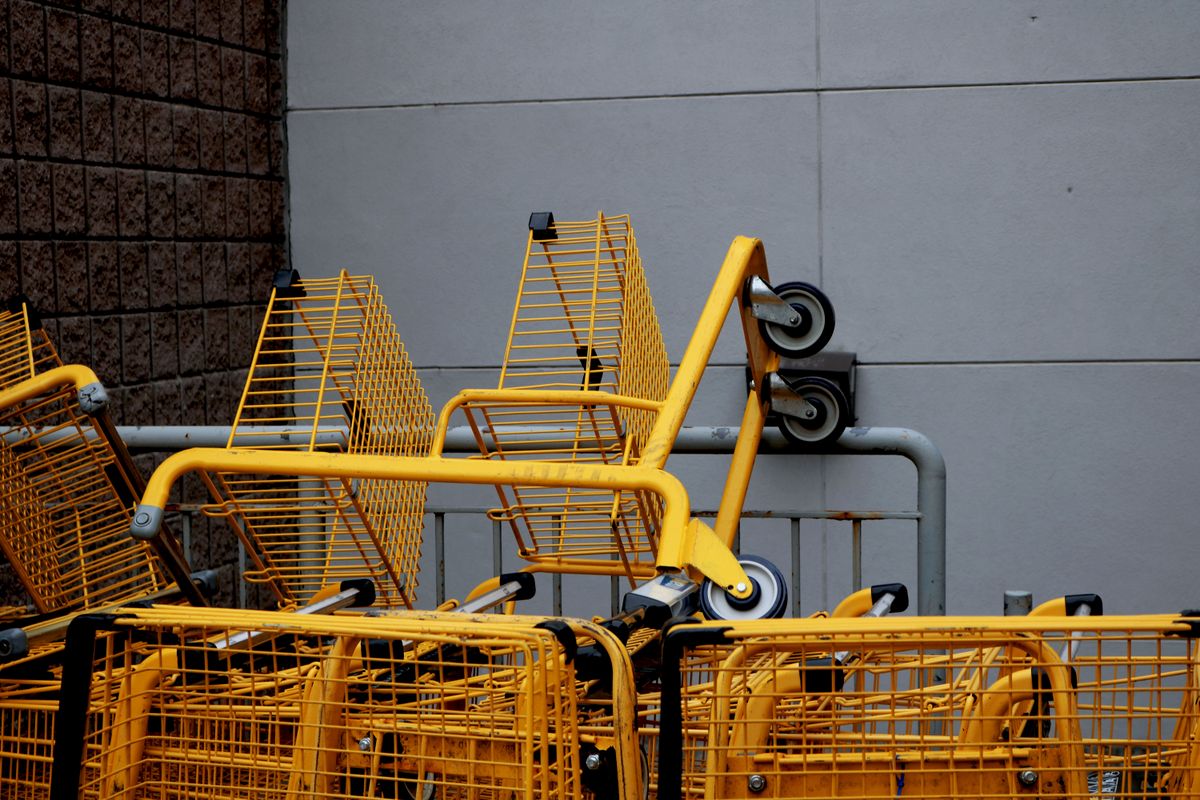
The new ordinance in North Charleston focuses on abandoned shopping carts that create problems beyond store property lines. City officials say carts left on sidewalks, roadsides, and public spaces can become safety concerns and contribute to neighborhood blight.
Under the policy, community service officers can collect abandoned carts and transport them to a public works facility. Retailers that want their carts returned must pay a $50 fee for each recovered cart.
The goal is not simply to collect money from businesses. Local officials say the fee creates an incentive for retailers to improve cart management systems, increase retrieval efforts, and prevent carts from leaving store areas.
North Charleston Communications Manager Tony Tassarotti explained that city leaders began noticing more carts removed from businesses and abandoned throughout the community.
“When carts are taken away from the establishment that they’re a part of, we’ll see those carts kind of on the side of the road, which creates kind of an eyesore,” officials said.
Why are cities targeting abandoned shopping carts?
Shopping cart theft and abandonment have become persistent issues in many American cities. While some carts are taken intentionally, others are used temporarily by people transporting personal belongings before being left behind.
For communities experiencing homelessness, shopping carts can sometimes become a practical tool for carrying supplies, clothing, or personal items. However, city officials argue that abandoned carts still create public safety and maintenance challenges.
North Charleston resident Cindy described seeing people experiencing homelessness using carts to move their belongings around the city.
The challenge for local governments is balancing compassion with community needs. Officials say the policy is not intended to criminalize people who use carts for survival. Instead, it focuses on businesses’ responsibility to manage equipment that frequently ends up in public spaces.
The debate also reflects a broader question facing cities nationwide: Should businesses absorb the cost of recovering lost property, or should taxpayers continue paying for cleanup?
Supporters of fees argue that retailers benefit from preventing cart loss because they own the equipment and control systems that can reduce cart removal.
Critics counter that businesses are often victims of cart theft and should not face additional financial penalties for something they cannot completely control.
Walmart and retailers face a growing push for stronger cart management.
Retailers have long used different strategies to reduce shopping cart losses. Some stores install wheel-locking systems that activate when carts cross designated boundaries. Others use electronic tracking devices or employ staff members dedicated to collecting carts from nearby areas.
Large retailers like Walmart manage thousands of shopping carts across multiple locations. Even a small percentage of carts leaving store property can create significant replacement and recovery costs.
A single shopping cart can cost hundreds of dollars to replace, depending on the design and technology included. For retailers, preventing cart loss is both a financial concern and an operational challenge.
The North Charleston ordinance places additional pressure on businesses to strengthen prevention measures.
The city’s approach follows similar efforts elsewhere. Phoenix, Arizona, has previously dealt with thousands of abandoned carts appearing throughout the city. Officials there reported collecting about 8,000 abandoned carts in 2024, resulting in tens of thousands of dollars in cleanup costs.
Phoenix officials argued that abandoned carts were more than an inconvenience because they affected sidewalks, public spaces, and neighborhood conditions.
The situation has created disagreement between retailers and local governments. Businesses argue that stolen carts represent property loss, while cities argue that abandoned carts create public costs that should not fall entirely on taxpayers.
Arizona lawmakers push back against shopping cart recovery fees.
While North Charleston is moving forward with its fee system, another debate has emerged in Arizona over whether cities should have the authority to charge retailers for abandoned shopping carts.
Arizona lawmakers considered legislation to prevent cities from charging businesses $25 to $50 fees for recovered carts.
Supporters of the proposal argued that retailers should not be financially penalized after having already lost property to theft or unauthorized removal.
Republican State Representative Nick Kupper said businesses were “already a victim of a crime” and suggested cities could still remove abandoned carts without charging recovery fees.
The disagreement reflects a larger policy divide. Some leaders believe financial penalties encourage companies to invest more in prevention. Others believe the government should focus on enforcement and cleanup rather than placing costs on businesses.
The outcome of these debates could influence how cities across the country handle abandoned shopping carts in the future.
Community programs could become the unexpected winner.
One of the most notable parts of North Charleston’s policy is where the money is expected to go.
Instead of directing the collected fees into a general city fund, officials say the money will support community needs. Potential uses include warming shelters, emergency assistance, and programs supporting people experiencing homelessness.
That approach changes the conversation around abandoned carts. Rather than viewing the issue solely as a cleanup problem, officials are seeking to leverage the financial impact to support residents who need help.
The policy also reflects a growing trend among cities looking for creative ways to address everyday problems. Municipal leaders are increasingly exploring partnerships with businesses, nonprofits, and community organizations to address issues affecting public spaces.
However, the success of the Walmart shopping cart fee will likely depend on enforcement, cooperation from retailers, and the extent to which the collected funds deliver measurable community benefits.
If businesses improve cart recovery efforts, fewer carts will be abandoned. If cities collect meaningful revenue, vulnerable residents may receive additional support.
The future of abandoned shopping carts could depend on cooperation.
The new $50 Walmart shopping cart fee represents a small policy change with a much larger debate behind it. At its core, the issue is about responsibility, public spaces, and how communities respond when private property becomes a public concern.
Shopping carts may seem like ordinary objects, but their journey from store aisles to city streets reveals complicated challenges involving retail operations, homelessness, local government budgets, and neighborhood appearance.
As more cities consider similar measures, the question remains: Should businesses pay for abandoned carts, or should communities find another way to address the problem?
For North Charleston, the answer is turning an overlooked nuisance into a potential source of community support. Whether that approach becomes a model for other cities will depend on whether the policy can achieve its biggest promise: cleaner neighborhoods and more help for those who need it most.