Pentagon Iran War Casualty Count Dispute Raises New Questions About Transparency, Accountability, and the True Cost of Conflict
A casualty number is more than a figure on a government website. It represents a life lost, a family changed forever, and a nation trying to understand the consequences of war. The Pentagon Iran war casualty count dispute has placed a spotlight on how the United States tracks military losses and whether the public is receiving a complete picture of the conflict’s human cost.
The controversy began after the Pentagon’s public casualty database showed a sudden decrease in the reported number of U.S. troops killed and wounded during the Iran war. The listed death toll dropped from 18 to 14, while the number of wounded service members fell from 482 to 420. Defense officials said the changes were caused by technical issues affecting the system.
However, the Pentagon Iran war casualty count dispute quickly became more than a database problem. It raised broader questions about how modern conflicts are classified, how military losses are recorded, and how governments maintain public trust during periods of uncertainty.
For Americans watching the conflict unfold, casualty numbers remain one of the clearest ways to understand the impact of military decisions. Behind every number is a person who served, a family waiting for answers, and a community dealing with loss.
A Missing Number Became a Question About Missing Sacrifice
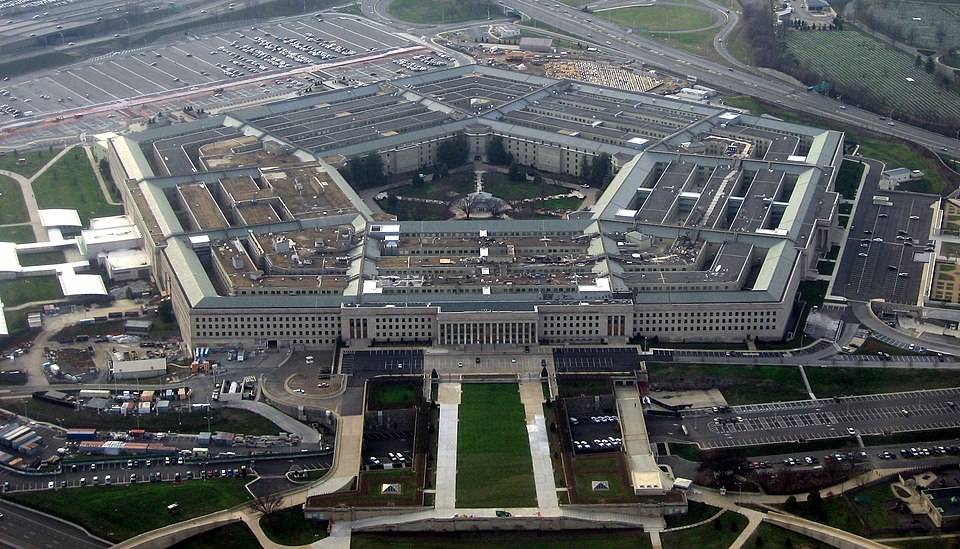
When four fallen service members disappeared from the Pentagon casualty database, the issue became a painful reminder that war records are not just statistics. They are part of how nations recognize sacrifice.
The Pentagon Iran war casualty count dispute gained national attention after the database appeared to remove four U.S. service members from the official public count. The service members had already been identified after being killed during renewed fighting in the region.
The fallen troops included Sgt. Angel Rampersad, Pfc. Isabella Gonzales, 1st Lt. Tyler Feehan, and Sgt. Michael Emmanuel Swinton. Their names represented individual lives, not simply entries in a military report.
For military families, official recognition carries deep meaning. A casualty record is part of the public acknowledgment that a service member served, sacrificed, and left behind people who continue to carry their memory.
The removal of names from a public database created emotional concerns among families and officials who argued that technical changes should never create uncertainty around the service of those who died.
New York Gov. Kathy Hochul criticized the disappearance of Sgt. Rampersad’s name from the record, saying the human cost of war should not be reduced because of administrative changes.
The reaction reflected a larger issue surrounding military transparency. When casualty information changes unexpectedly, the public does not only ask what happened to the numbers. It asks whether the system designed to protect the historical record is working properly.
Why the Pentagon’s Casualty Database Matters During Wartime
The Defense Casualty Analysis System is more than an online database. It is the official public record used to track the human consequences of American military operations.
The Pentagon maintains the casualty system through information provided by military branches. The database records deaths, injuries, and other casualty information from current and previous conflicts.
Throughout American history, casualty reporting has shaped how citizens understand wars. During Vietnam, Iraq, and Afghanistan, casualty numbers influenced public discussions about military strategy, political decisions, and the future of U.S. involvement overseas.
The Pentagon Iran war casualty count dispute has renewed attention on why these records must remain accurate and consistent. A casualty database serves as a connection between government action and public accountability.
Unlike military equipment numbers or operational reports, casualty figures represent the direct impact on human beings. They provide one of the few measurable ways the public can evaluate the cost of conflict.
A change in casualty numbers can therefore have consequences beyond public confusion. It can affect military families seeking recognition, lawmakers reviewing operations, and historians documenting events for future generations.
Reliable casualty reporting also strengthens trust between service members and the institutions responsible for communicating their sacrifices.
The Hidden Challenge of Defining a Modern War
The Pentagon Iran war casualty count dispute has revealed a larger challenge facing modern conflicts: determining exactly where one military operation ends and another begins.
Traditional wars often had clearer timelines. Military campaigns began with visible attacks, continued through major battles, and eventually moved toward an official conclusion.
Modern conflicts are often more complicated. They may involve airstrikes, drones, intelligence missions, cyber operations, and limited troop deployments across multiple regions.
The Iran conflict has raised questions about whether renewed fighting following a ceasefire represents a continuation of the same war or a separate military operation. That distinction matters because casualty records are often connected to specific military missions.
Officials previously referred to the campaign as Operation Epic Fury. Later statements suggested the operation had ended, but renewed strikes created uncertainty about how subsequent casualties should be categorized.
Critics argue that changing operational labels can make it harder for Americans to understand the full scope of a conflict. Military officials, however, often face complicated administrative decisions when operations evolve.
This challenge is not unique to the war in Iran. The United States has faced similar questions in previous conflicts where missions expanded, changed names, or continued under different strategic goals.
The difference today is the speed at which information reaches the public. A database change can attract national attention within minutes, creating immediate pressure for explanations.
A Technical Error That Created a Larger Trust Problem
The Pentagon said the casualty reporting changes were caused by technical disruptions, but the controversy shows why accuracy matters most when public confidence is already under pressure.
Acting Pentagon Press Secretary Joel Valdez said the Defense Department was aware of temporary problems affecting the Defense Casualty Analysis System. Officials said they were working with the military services to resolve the issue.
Technical problems can happen in any large government system. Military databases contain information from multiple branches, locations, and reporting channels, making accurate data management a complex process.
However, casualty information carries a unique responsibility. A mistake involving financial data or administrative records can create inconvenience, but errors involving fallen service members carry emotional and historical consequences.
The Pentagon Iran war casualty count dispute shows how quickly a technical issue can become a national conversation about transparency.
Public trust depends not only on having accurate information but also on explaining mistakes quickly and clearly. When official numbers change without immediate explanation, uncertainty often grows faster than the facts can be clarified.
The issue also highlights the growing importance of communication during military conflicts. Governments must provide timely updates because information itself has become part of modern warfare.
Lawmakers Question Whether Americans Are Seeing the Full Picture

The debate over the Pentagon Iran war casualty count dispute quickly expanded into a broader discussion about congressional oversight and the limits of executive military action.
Members of Congress called on Defense Department leaders to provide a complete accounting of U.S. military casualties during the conflict.
Sen. Mazie Hirono of Hawaii and other members of the Senate Armed Services Committee demanded greater clarity, arguing that service members, families, and the public deserve accurate information about the human cost of military operations.
Their concerns were connected to wider questions about war powers and government accountability. The classification of military operations can influence how Congress reviews presidential decisions and the duration of American involvement.
Rep. Thomas Massie of Kentucky also criticized the situation, arguing that separating military operations could create confusion about the true timeline of the conflict.
The disagreement reflects a longstanding American debate over how military authority should be balanced with congressional oversight.
From Vietnam to more recent conflicts in the Middle East, casualty reporting has often played a role in shaping public opinion and political discussions.
The Pentagon Iran war casualty count dispute has placed that issue back into focus at a time when modern warfare is becoming increasingly complex.
The Human Cost Behind Airstrikes and Remote Warfare
A conflict fought through missiles and drones may appear distant to many Americans, but casualty reports reveal the personal consequences hidden behind advanced military technology.
Modern warfare has changed dramatically compared with earlier conflicts. Large ground battles are less common, while air operations, precision strikes, and unmanned systems play a greater role.
This shift can create a sense of distance between the public and the battlefield. Images of soldiers in trenches have been replaced by reports of aircraft, missiles, and technology-driven operations.
Yet the human cost remains the same.
Every casualty represents a service member with a family, a hometown, and a personal story. Every injury can affect a person’s future long after the fighting stops.
The Pentagon Iran war casualty count dispute matters because casualty reports remain one of the few ways citizens directly connect with the consequences of military action.
Without accurate reporting, the public may struggle to understand the real impact of decisions made in its name.
History shows that casualty records often become central to how conflicts are remembered. They shape discussions about strategy, leadership, and responsibility long after wars end.
The Record of War Is Written While the Conflict Continues
Every war creates a historical record, and casualty reports become one of the most important documents used to understand what happened.
Future generations will rely on government records to study the Iran conflict. Those records will influence how historians, researchers, lawmakers, and families understand the events of the period.
Accurate casualty reporting is therefore not only a current responsibility. It is a long-term obligation.
A nation’s memory of war depends on reliable documentation. Errors can create confusion about timelines, losses, and the experiences of those who served.
The Pentagon Iran war casualty count dispute highlights a difficult reality of modern conflict. Military operations may change quickly, but the responsibility to maintain accurate records remains constant.
The Pentagon can correct technical problems and restore database accuracy. The larger challenge is rebuilding confidence that official information reflects reality.
For families of fallen troops, casualty records are not simply government data. They are a public promise that the sacrifices of their loved ones will be remembered accurately.
The debate surrounding the Pentagon Iran war casualty count dispute ultimately raises a question that extends beyond one database or one conflict: when a nation sends people into harm’s way, how carefully does it preserve the truth of what they gave?