10 Countries That Complicate U.S. Criminal Cases Beyond Repair
A missing treaty can slow Washington, but it does not eliminate the risk of arrest, border trouble, asset freezes, deportation, local prosecution, or pressure from allied countries. They are legal gray areas where politics, diplomacy, money, and timing can matter as much as the courtroom.
Russia
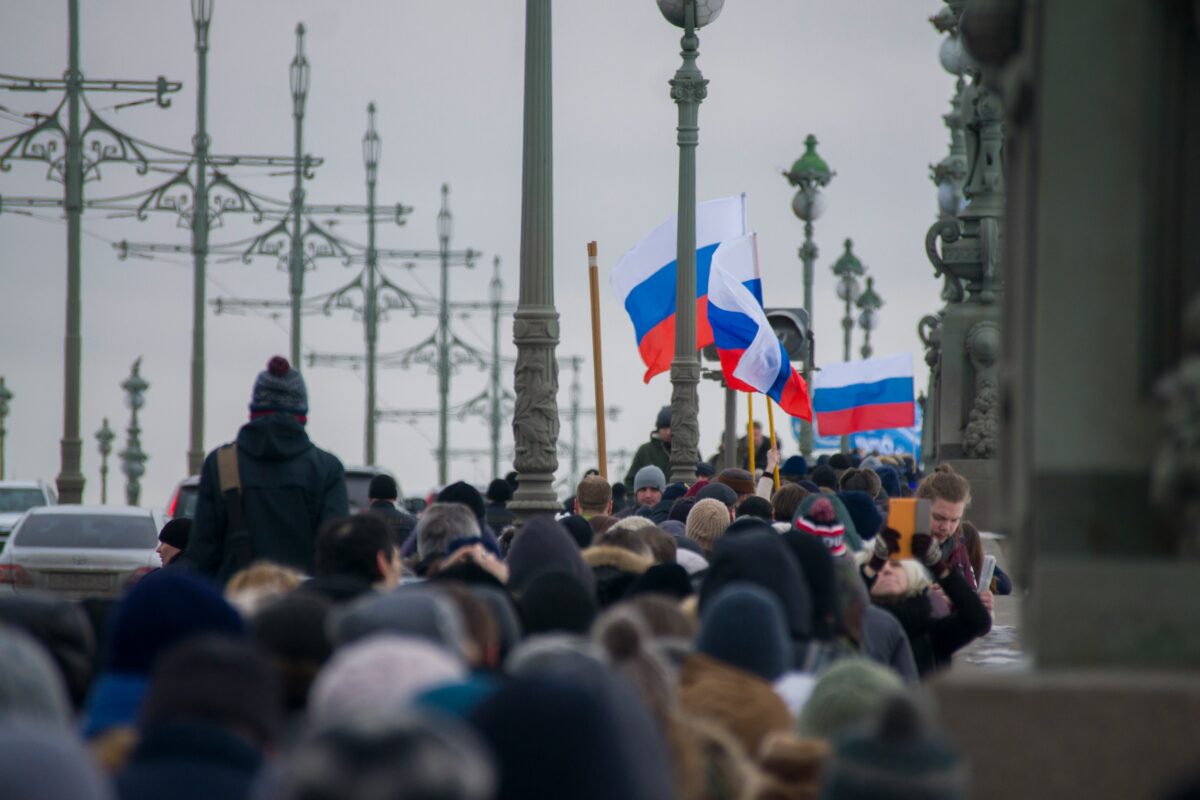
Russia makes the list because the legal wall between Moscow and Washington is thick, political, and cold. A lack of a U.S. extradition treaty does not turn the country into a crime-proof bunker, but it can make formal surrender extremely difficult. Any case involving Russia can become tangled in sanctions, diplomatic anger, intelligence disputes, and national pride.
That is why the real story is not escape, but legal paralysis. A person may avoid one courtroom and still face frozen assets, travel risks, reputational damage, arrest in a third country, and years of pressure that never fully go away.
China
China creates another nightmare for U.S. extradition because there is no normal treaty bridge to carry a suspect from Beijing to an American courtroom. The problem is bigger than paperwork. Human rights concerns, sovereignty arguments, political bargaining, and competing justice systems can all slow or block a request.
Still, China is not outside global pressure. Business ties, immigration rules, local prosecution, banking checks, and transit through treaty countries can turn a comfortable hiding place into a closing trap with little warning, especially when a case draws media heat fast and alarms officials.
Iran
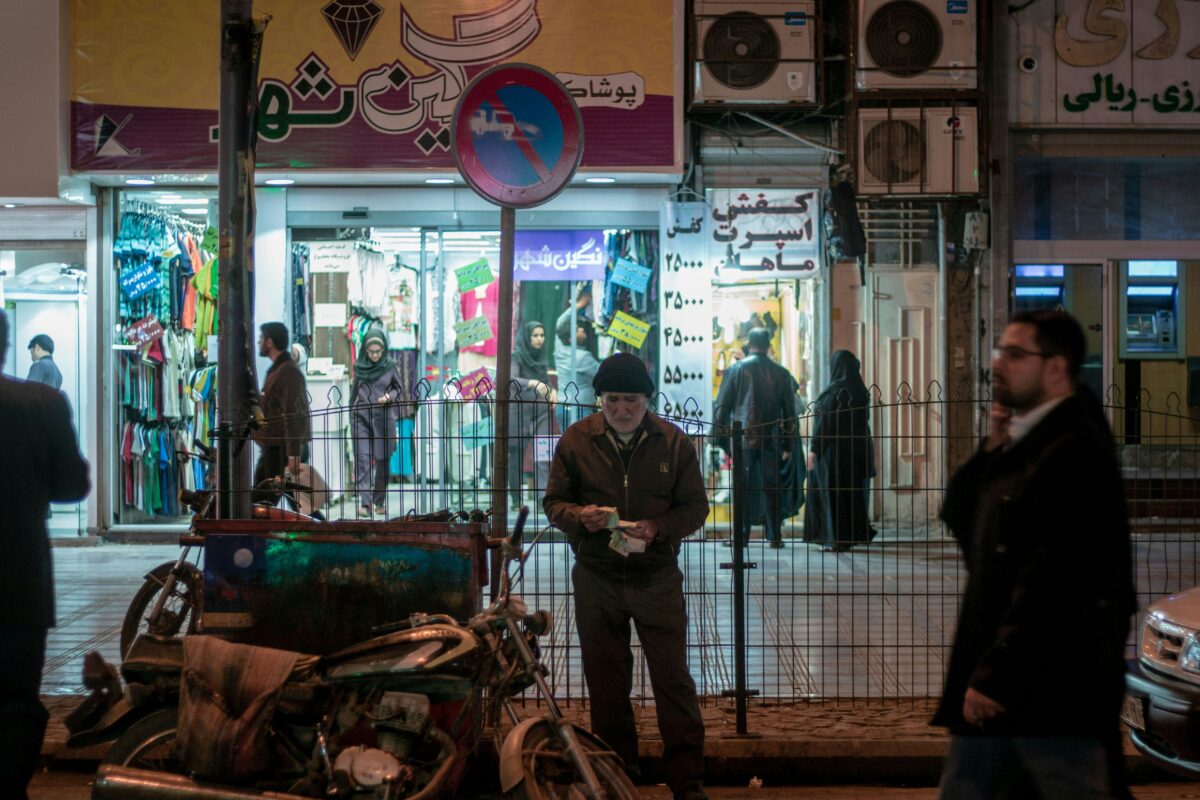
Iran sits in one of the hardest corners of the extradition map because U.S. relations with Tehran are deeply hostile. Without a standard treaty process, any American request would likely crash into politics before it reached a clean courtroom path. That does not make Iran a safe fantasy land for fugitives.
Sanctions, financial tracking, border controls, intelligence sharing, and international notices can follow serious cases for years. The door may be locked, but the hallway outside it remains dangerous, crowded, and watched by governments that quietly recall old files across borders and time.
North Korea
North Korea is almost the extreme version of a non-extradition state. Diplomatic channels with the United States are limited, trust is almost nonexistent, and ordinary legal cooperation is rare. That makes formal extradition highly unlikely in many cases, yet the country is not a practical refuge for anyone who values freedom, money, movement, or safety.
A person may dodge U.S. court pressure only to face isolation, surveillance, harsh local control, blocked travel, weak consular support, and almost no reliable protection from the government that shelters them there, especially under total state control.
Vietnam
Vietnam is often cited because it does not offer the United States a straightforward treaty-based extradition route. That sounds powerful on paper, but paper can be slippery in international law. Local authorities can still act under domestic law, immigration rules, political deals, or pressure from partners. The greater risk arises when someone crosses borders for business, tourism, or family reasons.
One stop at a treaty-friendly airport can change the entire legal landscape before the person even reaches baggage claim or calls a lawyer, making movement risky for anyone under investigation or in public suspicion.
Indonesia

Indonesia complicates U.S. extradition because the legal route is not as direct as it is with treaty partners. Its geography also adds extra drama, with islands, borders, and major travel hubs feeding the illusion of distance from American courts. Yet distance is not immunity.
Regional cooperation, immigration enforcement, financial scrutiny, and diplomatic negotiation can still create pressure. Anyone treating Indonesia as a legal hiding place may discover that the map looks wider than the law really allows when politics shift, money trails surface, or visas expire suddenly without warning.
Saudi Arabia
Saudi Arabia belongs on this list because U.S. extradition requests there can depend heavily on diplomacy, royal discretion, nationality, and the political temperature of the moment. A missing treaty path can slow outcomes and make them less predictable, especially when cases involve money, security, or reputation.
Still, Saudi Arabia has strong international relationships and a serious state security culture. That means a person may not face automatic extradition, but they may still face local control, questioning, movement limits, frozen plans, or quiet government pressure that feels just as heavy.
United Arab Emirates
The United Arab Emirates has long attracted rumors because Dubai looks wealthy, mobile, and international. Yet that glossy image can mislead readers. The UAE may not offer the United States a clean treaty pipeline, but it has faced growing pressure to cooperate on organized crime, sanctions, money laundering, and global enforcement.
Banking records, immigration files, luxury assets, and public visibility can become liabilities. In a country built on global business, attention can be more dangerous than distance, especially when allies start asking questions and banks begin closing doors fast, too.
Belarus

Belarus creates a difficult extradition landscape because its relationship with the United States is strained and its legal system is closely aligned with broader Russian influence. A U.S. request may struggle against politics, ideology, and limited cooperation. Yet Belarus is not a soft landing pad. Travel options can narrow quickly, sanctions can bite hard, and crossing into neighboring countries may trigger new risks.
The same political shield that slows extradition can also become a cage if local authorities deem the person useful, inconvenient, or expendable amid a larger dispute abroad or at home.
Cambodia
Cambodia is often discussed because U.S. extradition there is not as straightforward as in treaty-heavy jurisdictions. That uncertainty gives the country a mysterious reputation, but the reality is less glamorous. Cambodia operates in a region where police cooperation, immigration removals, and cross-border movement can shift quickly.
A person may feel distant from Washington, yet remain exposed through visas, banking, phones, flights, and neighboring states. The absence of a clean treaty route does not erase the legal footprint or the practical danger of being noticed abroad by the wrong office.
Conclusion
The strongest version of this article is not “Here are places where people can run.” That angle is too thin, too risky, and too misleading. The better story is that extradition becomes harder in some countries because treaties, politics, diplomacy, and local law do not always align.
A missing treaty can delay the United States, but it cannot erase borders, banking systems, passports, police cooperation, or international pressure. That is why these countries are better described as legal minefields rather than safe exits.