12 Things Manufacturers Quietly Changed That Consumers Dislike
Consumers are not imagining it. Many everyday products feel smaller, weaker, pricier, harder to repair, or more annoying to use than they did a few years ago. The package looks familiar, the brand name still sits proudly on the label, and the price may even look normal at first glance. Then shoppers get home and realize something has changed.
Manufacturers often explain these changes as responses to inflation, supply costs, new technology, safety rules, or shifting consumer habits. Sometimes that may be true. But consumers still notice when value quietly disappears. These are the everyday changes that make people feel like they are paying more, getting less, and being expected to smile about it.
Smaller Packages For The Same Price

Shrinkflation may be the change consumers complain about most because it feels sneaky. A bag of chips looks almost the same, a cereal box still takes up shelf space, and a bottle still carries the same familiar logo. The surprise comes later, when shoppers realize the weight dropped, the servings disappeared faster, or the container suddenly empties before the week is over.
The frustration comes from the quietness of it all. Many consumers can accept higher prices when companies are upfront, but they dislike feeling tricked by packaging that looks almost unchanged. A few ounces may not seem dramatic on one item, but across snacks, paper goods, drinks, frozen foods, and pantry staples, the loss adds up fast. People do not just feel charged more. They feel played.
Products That Require An App To Work Properly
Not every product needs an app, but manufacturers keep acting as if it does. Toothbrushes, coffee machines, washing machines, watches, speakers, air purifiers, lights, toys, and even kitchen gadgets now push users toward downloads, accounts, updates, and permissions. What used to be a simple button has become a login screen. For many consumers, that is not innovation. It is irritating.
The problem is control. People dislike buying a physical product only to learn that some features work best only through an app. They may also worry about privacy, data collection, discontinued support, or products becoming less useful when software changes. A lamp should not feel like a subscription service. A coffee maker should not need a profile. Consumers want convenience, not another digital chore.
Cheaper Ingredients In Familiar Foods

Some products still look the same on the outside, but the taste tells a different story. A favorite cookie may seem less buttery. A frozen meal may have less meat. A chocolate bar may taste waxier. A sauce may feel thinner than it used to. Consumers often notice these recipe changes before they ever read the ingredient label.
This is why skimpflation irritates people so much. The package stays familiar, the name stays trusted, but the experience feels downgraded. Manufacturers may swap ingredients to control costs, improve shelf life, or meet new production demands. Still, consumers dislike paying premium prices for a product that no longer tastes premium. Once a beloved item loses its original quality, nostalgia can quickly turn into resentment.
Thinner Paper Products That Run Out Faster

Paper towels, toilet paper, tissues, and napkins have become a quiet battlefield in many homes. Rolls may look large, but the sheets can feel thinner, narrower, or less absorbent. A family that used to make one roll last several days may now replace it much sooner. That kind of change feels small until it becomes part of the weekly grocery bill.
Consumers dislike this because paper products are practical rather than glamorous. Nobody wants to analyze toilet paper math like a detective. People simply want a roll that works. When companies reduce sheet size, ply strength, or absorbency, shoppers feel the downgrade immediately. The product may still claim softness or strength, but if it tears too easily or disappears too quickly, the marketing does not matter.
Appliances That Do Not Last As Long
Many consumers believe older appliances were built like loyal workhorses, while newer ones feel more fragile and complicated. A refrigerator used to be something families expected to keep for many years. Now, buyers often worry about digital panels, sensors, circuit boards, and parts that can fail long before the machine itself looks old. The result is a strange kind of progress that feels expensive and annoying.
Manufacturers may argue that modern appliances are more efficient, quieter, smarter, and better designed. That can be true. But consumers dislike products that cost more to buy and more to repair. When a simple washer needs a pricey electronic part, or a refrigerator becomes useless because one component fails, people feel trapped. A smart appliance does not feel very smart when the repair bill nearly matches the cost of replacing it.
Phones And Gadgets With Fewer Accessories
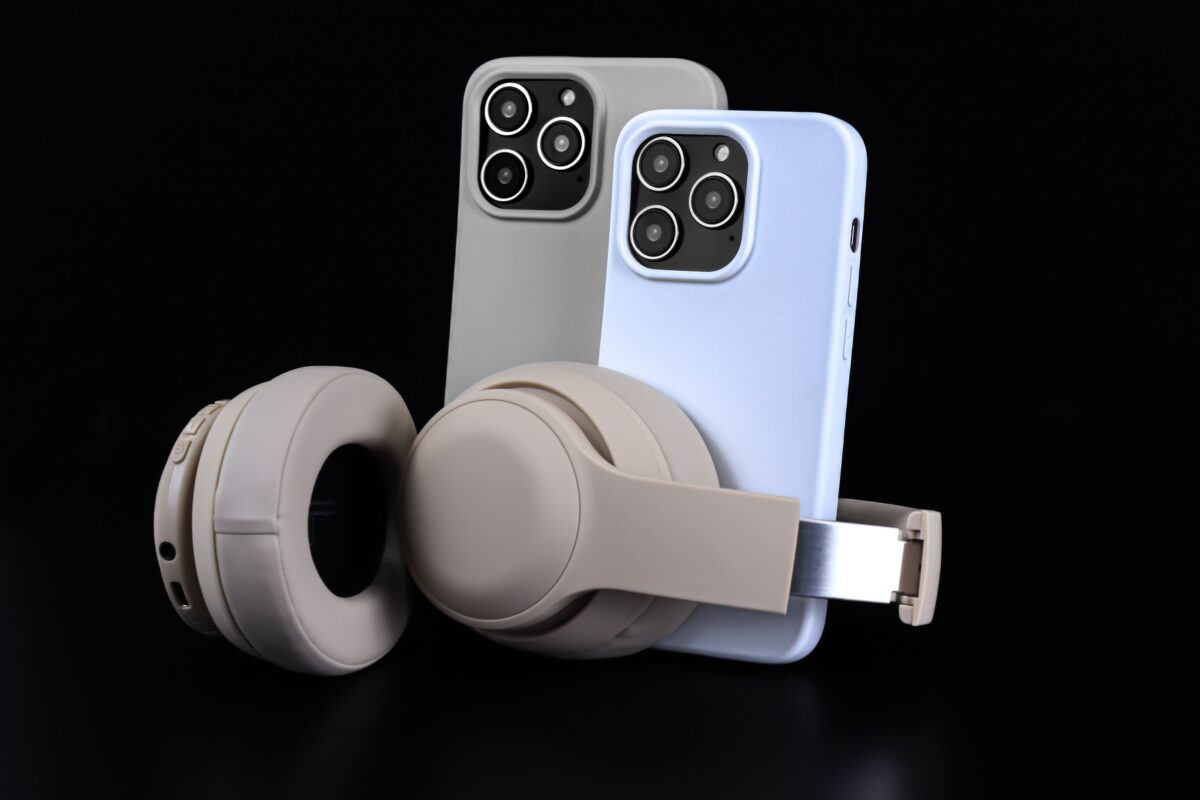
Many consumers still remember when phones came with chargers, earphones, adapters, and sometimes even small extras that made the purchase feel complete. Now, buyers often open an expensive box and find the device, a cable, and little else. The official explanation usually involves reducing waste, cutting packaging, or encouraging people to reuse what they already own. Some shoppers accept that logic, but many still feel shortchanged.
The frustration grows because the missing accessories are often still needed. A person may have to buy a charging brick separately, replace old cables, or purchase compatible accessories at extra cost. That makes the original price feel incomplete. Consumers dislike it when companies remove useful items and frame the decision as progress, especially when the device itself keeps getting more expensive.
Repairs Made Harder And More Expensive
Consumers are increasingly frustrated by products that seem designed to be replaced instead of repaired. Devices may be glued shut, parts may be hard to find, manuals may be restricted, and repairs may require authorized service centers. This affects phones, laptops, appliances, cars, printers, and plenty of other products people rely on every day. When repair becomes too expensive or inconvenient, replacement becomes the forced option.
That makes many consumers feel powerless. They have already bought the product, yet they cannot easily fix, open, or maintain it on their own terms. Repair restrictions also create waste because usable products can end up being discarded over a single broken part. People dislike being pushed into buying new when a practical repair should have been possible. The anger is not only about money. It is about ownership.
Clothing That Feels Thinner And Wears Out Faster
Many shoppers complain that modern clothing does not feel as sturdy as older pieces. T-shirts lose shape sooner, jeans stretch out faster, seams split, sweaters pill, and fabrics feel thinner even when prices climb. Some brands chase cheaper materials, faster production, and trend cycles that move too quickly. Consumers notice when a shirt looks good for three washes and is tired by the fourth.
This change especially annoys people because clothing is personal. A reliable pair of jeans or a good winter coat should not feel disposable. When quality drops, shoppers spend more time replacing basics and less time enjoying what they own. Fast fashion has trained people to expect constant newness, but many consumers now miss durability. They want clothes that survive real life, not just a dressing room mirror.
Food Portions That Quietly Got Smaller
Restaurants and packaged food makers are not the same, but consumers often put them in the same basket of frustration. People notice when frozen meals have fewer bites, snacks have more air, fast-food portions feel smaller, or family-size products no longer feed a family. The label may still sound generous, but the plate tells the truth. Nobody likes realizing “new look” really means “less food.”
This change hits harder because food prices already strain many households. A smaller portion can feel like a hidden price increase, especially for families trying to stretch a grocery budget. Consumers also dislike when packaging uses oversized boxes, deep container bottoms, or clever shapes to make less product look like more. Hunger is honest. Packaging is not always so honest.
Digital Coupons Replacing Simple Discounts

Many consumers dislike the shift from straightforward sale prices to digital coupons, loyalty apps, QR codes, and account-based deals. A product may appear discounted on the shelf, but the lower price may require scanning an app, joining a program, or clipping a digital coupon. For younger shoppers, that may feel normal. For older shoppers, busy parents, and people without reliable phone access, it can feel unfair.
The deeper frustration is that savings now require extra labor. Consumers do not want grocery shopping to feel like a puzzle. They want clear prices and honest discounts. When companies turn basic savings into a digital obstacle course, people feel punished for not playing along. A sale should not require a password, a barcode, a phone battery, and five minutes of patience in the aisle.
Packaging That Is Harder To Open And Harder To Recycle
Manufacturers have changed packaging in ways that often frustrate consumers. Some items are sealed in tough plastic, have tiny tear tabs, use oversized clamshells, or are made of mixed materials that are difficult to open and confusing to recycle. Other packages look eco-friendly but still contain layers, films, coatings, or parts that many local recycling systems cannot handle. Consumers are left with the mess.
The anger comes from the gap between marketing and reality. People want safer packaging, less waste, and better product protection. They do not want scissors, frustration, spilled food, broken seals, or confusion about recycling. When companies talk about sustainability but give shoppers packaging that feels excessive or unclear, trust drops quickly. Good packaging should protect the product without making the buyer feel defeated.
More Subscriptions For Features People Already Had
Consumers are tired of subscriptions creeping into everything. Software, cars, fitness equipment, printers, home security devices, entertainment platforms, and smart gadgets now often ask for recurring payments. In some cases, people pay extra to unlock features that feel like they should have been included with the original purchase. That shift makes ownership feel less complete than it used to.
The problem is subscription fatigue. People understand paying monthly for a service that continues to deliver fresh value. They dislike having to pay repeatedly for basic functions, data storage, heated seats, advanced settings, or features built into the product they already purchased. The old deal felt simple. Buy the item, use the item. The new deal often feels like buying permission to keep enjoying what should already be yours.
Final Thoughts
Consumers can handle change when it feels honest, useful, and fair. They do not expect every product to stay frozen in the past. Costs rise, technology moves forward, supply chains shift, and companies have to adapt. But when changes happen quietly, and the buyer gets less value, frustration builds.
The biggest issue is trust. Smaller packages, weaker materials, cheaper ingredients, missing accessories, locked features, and repair barriers all send the same message to consumers. Pay more, accept less, and ask fewer questions. That is why these changes spark such strong reactions. People are not just complaining about products. They are pushing back against the feeling that everyday value is being quietly taken away.