Biden Faces Border Backlash While Blaming Trump for an Immigration System in Crisis
Former President Joe Biden’s border record remains at the center of America’s immigration debate as Democrats and Republicans continue to dispute whether his administration inherited a failing system or made the crisis worse. When we examine the record, we find a more complicated story than either party’s campaign slogans suggest. Biden entered office in January 2021 with an immigration system shaped by restrictive Trump-era policies, pandemic rules, overwhelmed courts and growing migration from countries far beyond Mexico and Central America.
His administration reversed several of Donald Trump’s policies while expanding humanitarian pathways and requesting more federal resources. Migrant encounters then climbed to historic levels, giving Republicans powerful evidence for their argument that Biden’s decisions weakened deterrence. Yet Biden’s later asylum restrictions contributed to a substantial decline in unlawful crossings before he left office. The result is a border record containing clear policy failures, measurable enforcement actions and an unresolved question about how much responsibility any president can carry for international migration.
Biden Administration Said It Inherited a Broken Border System
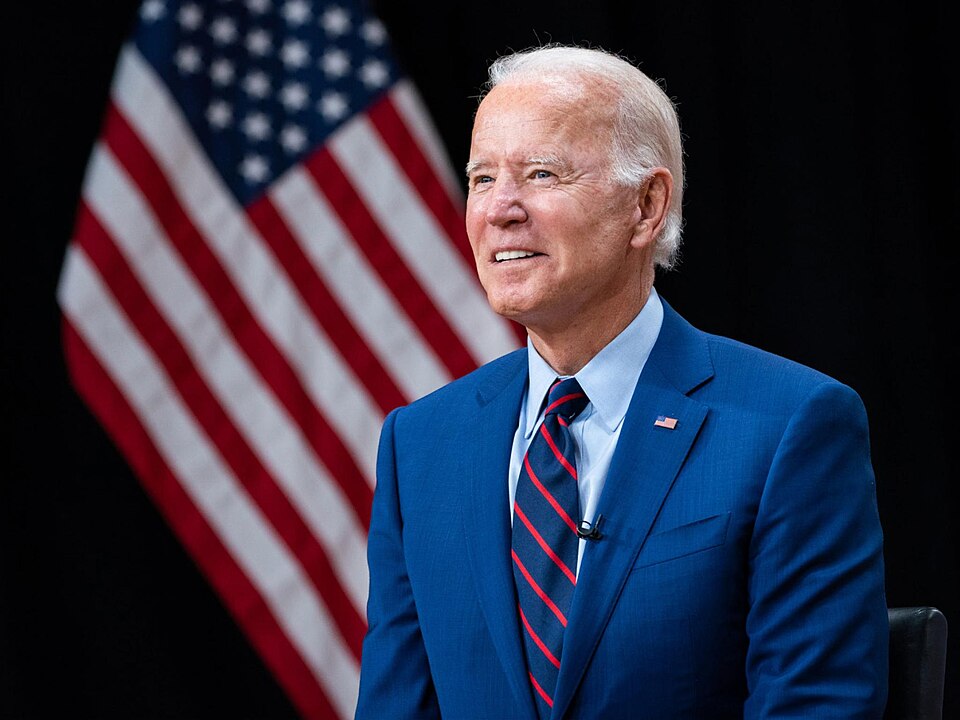
The statement that Biden personally declared “the border was a mess” has circulated widely, but the quotation was originally attributed to Democratic Sen. Chuck Schumer rather than Biden. Biden’s administration used different language, repeatedly saying it inherited a “broken immigration system” whose weaknesses had accumulated over several decades. That distinction matters.Biden did not simply argue that Trump caused every problem at the southern border. He maintained that the immigration system lacked enough judges, asylum officers, processing facilities and legal pathways to handle large movements of people.
In January 2023, Biden described immigration as a long-standing challenge that executive actions alone could not repair. He called for additional personnel, faster asylum decisions and legislation addressing both legal and unauthorized immigration. We can therefore describe Biden’s defense accurately: his administration blamed some Trump-era decisions for worsening existing problems, but it also argued that congressional inaction had left every president with inadequate tools.
Trump-Era Border Policies Shaped the System Biden Inherited
One of the most significant Trump policies was the Migrant Protection Protocols, commonly called “Remain in Mexico.” Introduced in 2019, the program required certain asylum seekers to wait in Mexico while their immigration proceedings continued in the United States. Approximately 68,000 migrants were returned to Mexico through the program before new enrollments were suspended in January 2021. During the same general period, authorities recorded about 1.5 million southwest border encounters, showing that Remain in Mexico covered only a portion of those arriving. ( The Trump administration also used Title 42, a public-health authority introduced during the COVID-19 pandemic, to expel many migrants rapidly without processing them through the regular immigration system. CBP continued counting Title 42 expulsions as encounters until the authority ended on May 11, 2023. (
Biden paused border-wall construction financed through redirected military funds and ordered a review of Remain in Mexico. His administration later terminated the program, arguing that migrants faced serious safety risks in Mexico and experienced difficulty obtaining lawyers or attending U.S. court hearings. Republicans viewed those changes differently. They argued that ending visible enforcement policies sent a message that migrants arriving under Biden would have a greater chance of entering and remaining in the country.
Record Encounters Strengthened Republican Criticism
The strongest argument against Biden’s explanation comes from the government’s own enforcement data. CBP recorded approximately 1.96 million nationwide enforcement encounters in fiscal year 2021, followed by 2.77 million in 2022 and a record 3.2 million in 2023. The figure declined to roughly 2.9 million in fiscal year 2024, but it remained far above pre-Biden levels. These figures are encounters, not a direct count of people permanently admitted into the United States. They include Border Patrol apprehensions, actions at ports of entry and, until May 2023, Title 42 expulsions. The same person could also be encountered more than once.
Nevertheless, the numbers reflected severe operational pressure. Border communities struggled to provide temporary shelter, major cities requested federal assistance, and immigration courts accumulated millions of pending cases. Justice Department statistics showed more than 3.55 million pending immigration cases in 2024, including approximately 1.49 million pending asylum cases. Such a backlog meant that many applicants could wait years for a final decision, weakening the government’s ability to remove unsuccessful claimants quickly. Republicans blamed Biden’s policy changes, parole programs and asylum procedures. Trump repeatedly argued that restoring stricter enforcement would reduce crossings by making unauthorized entry less likely to succeed.
Global Migration Pressures Complicated the Border Crisis
Policy decisions in Washington influenced border activity, but they were not the only forces involved. The migrant population arriving at the southern border became increasingly diverse. People traveled from Venezuela, Cuba, Haiti, Nicaragua, China and other countries affected by economic collapse, authoritarian governments, violence or limited employment opportunities.
Smuggling organizations also adapted rapidly to changes in U.S. law. They promoted misleading claims about asylum eligibility, arranged increasingly complex routes and charged migrants thousands of dollars for dangerous journeys. This is why we should avoid treating every increase or decline as the direct product of one presidential order. Enforcement policies can change migrant expectations, but political instability, regional visa rules, transportation networks, Mexican cooperation and economic conditions also affect migration.
Biden Eventually Adopted Tougher Asylum Restrictions
By 2024, Biden had moved toward a more restrictive border strategy. In June, he announced measures limiting asylum access for many migrants who crossed the southern border unlawfully while encounter levels remained above the government’s processing capacity. The policy included exceptions for unaccompanied children, trafficking victims, and people facing immediate threat. The administration reported that Border Patrol encounters between ports of entry subsequently fell 59% compared with the period immediately preceding the restrictions. July and August 2024 became the lowest two months for such encounters since September 2020.
That decline weakened the claim that Biden had refused to enforce immigration law. However, it also supported Republican arguments that stronger restrictions could have been introduced earlier. Both conclusions can be true. The policy produced measurable results, but its timing raised legitimate questions about why the administration waited until an election year to impose it.
Congressional Failure Remains Central to the Immigration Debate
Biden also pointed to the collapse of a bipartisan Senate border proposal negotiated in 2024. The legislation would have tightened asylum procedures, accelerated protection decisions and created emergency restrictions when border encounters exceeded specific thresholds. It also proposed additional immigration personnel, judges, technology and resources for frontline agencies.
Many Republicans rejected the proposal, arguing that it still gave the executive branch too much discretion and failed to eliminate policies they opposed. Biden accused Trump of pressuring Republican lawmakers to block the agreement because passing it would reduce immigration’s value as a campaign issue. The failed bill demonstrated the central contradiction in Washington. Lawmakers regularly describe the immigration system as an emergency, yet major reforms repeatedly collapse under partisan pressure.
The Border Crisis Cannot Be Assigned to One Administration.
Biden’s border policies deserve serious scrutiny. Encounters rose dramatically during his presidency, processing systems became overwhelmed, and his administration underestimated how quickly migration could increase after pandemic restrictions and Trump-era programs were changed. However, the claim that Biden created the entire crisis ignores the immigration court backlog, outdated asylum laws, international displacement and decades of congressional failure. It also overlooks the fact that his administration eventually imposed restrictions that significantly reduced crossings.
The most accurate conclusion is not that Biden inherited every problem or caused every failure. He inherited a deeply strained system, changed several major policies, and then struggled with the consequences of record migration. As we continue debating the Biden and Trump border records, the larger challenge remains unchanged. Without durable legislation, faster court decisions, effective enforcement and workable legal pathways, each administration will continue blaming the one before it. At the same time, the immigration system moves from one crisis to the next.