The Woodlands May Face Higher Water Bills as Aging Infrastructure Demands Attention
For years, many families in The Woodlands have been able to turn on the faucet without thinking much about what happens beneath the street. Clean water arrived. Toilets flushed. Stormwater moved through ditches and drainage channels. The system worked quietly in the background, which is exactly what residents expect from a well-run community.
But quiet systems do not stay young forever.
More than 50 years after The Woodlands began growing into one of the Houston area’s most recognizable master-planned communities, the pipes, wastewater facilities, drainage ditches, lift stations, and treatment systems that support daily life are entering a new stage. The issue is no longer just whether water service works today. The bigger question is how much residents may have to pay to keep it reliable tomorrow.
The Bill Is Becoming a Warning Sign

The phrase higher water bills can make any homeowner tense, especially in a place where property taxes, insurance, groceries, and home repairs already feel heavier than they used to. Nobody wants another monthly cost creeping upward without a clear explanation.
In The Woodlands, however, the concern is not simply about a rate line on a bill. It is about the age of the system behind that bill. As infrastructure ages, the cost of maintaining it usually moves from the background into the household budget.
That is the uncomfortable part. Residents may not see a broken pipe under the road or a wastewater facility nearing the end of its useful life. But eventually, the price of those repairs can show up in monthly charges.
Aging Infrastructure Has Become the Main Issue
The Woodlands was built with planning, trees, trails, villages, and neighborhoods in mind. But even the best planned communities cannot escape time. Water and wastewater systems are physical assets, and they wear out.
Pipes corrode. Treatment equipment ages. Sewer lines need rehabilitation. Drainage systems need clearing and improvement. What once felt new and dependable can slowly become more expensive to protect.
This is why the local conversation is shifting from routine service to long-term renewal. Officials are considering how to repair, replace, or improve parts of the system before failures become more disruptive and expensive.
Why Residents Could Feel It Later

The immediate bill picture is not the same as a dramatic overnight jump. A recent infrastructure renewal fee was introduced at the same time another water related charge dropped, which helped avoid a net increase for many customers.
That may calm some fears for now, but it does not erase the bigger pressure. Major infrastructure work often requires steady funding over many years. If large projects move forward, residents could eventually see higher water or sewer rates tied to those improvements.
That is where the story becomes personal. A project that sounds technical in a meeting can become a few more dollars on a family’s bill. A future upgrade can become another line item for retirees, renters, small business owners, and parents trying to keep monthly costs predictable.
The Price of Waiting Can Be Worse

There is a hard truth in public utilities: delaying repairs can feel cheaper until something breaks. Then the cost can grow fast.
A failing waterline is not just an engineering problem. It can mean street repairs, emergency crews, service interruptions, traffic headaches, and higher replacement costs. A wastewater issue can create even bigger public health and environmental concerns.
That is why infrastructure renewal is often painful but necessary. Residents may dislike paying more now, but they would dislike system failures even more. The challenge is finding a pace that protects service without shocking household budgets.
The Woodlands Is Trying to Narrow the Scope
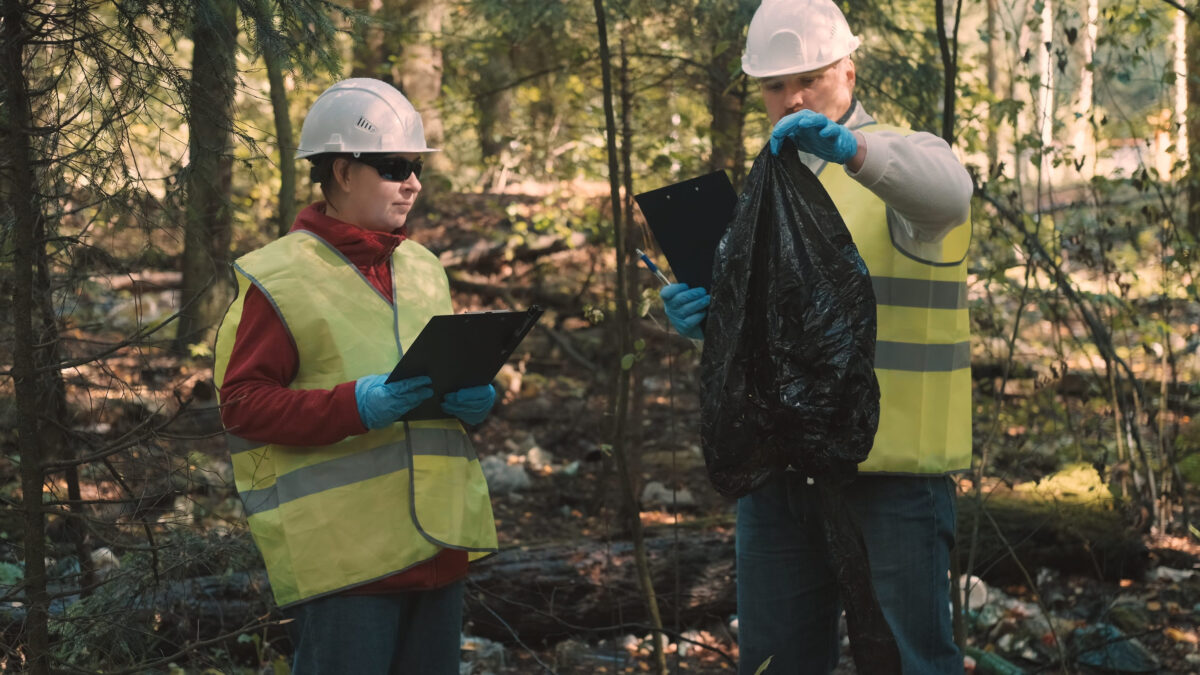
One encouraging part of the local discussion is that officials are not treating every old asset as an automatic replacement project. Recent studies have helped narrow some estimates and push leaders toward condition-based decisions.
That matters because age alone does not always mean failure. Some older lines may still perform well, while other parts of the system may need faster attention. A smarter plan can reduce waste, delay lower-priority work, and focus money where risk is greatest.
For residents, that should be the key demand. Do not just spend because the system is old. Spend where the evidence shows the need is real, urgent, and tied to reliability.
Big Projects Bring Big Questions
The most expensive conversations are likely to involve major wastewater and waterline work. These are not small weekend repairs. They can involve engineering studies, phased construction, contractor costs, permitting, and years of planning.
When numbers reach into the millions, the public deserves clear explanations. What is being fixed? Why now? What happens if the work is delayed? How much could it add to the average bill? How will officials protect residents on fixed incomes?
Those questions are not anti-infrastructure. They are pro-accountability. People are more willing to support necessary upgrades when they understand the need, the timeline, and the cost.
Low Taxes Can Create a Different Pressure
The Woodlands has long benefited from comparatively low MUD tax rates in many areas, and that has been part of the community’s appeal. But low tax rates do not make infrastructure needs disappear.
If tax increases are limited or politically difficult, water and sewer rates can become another means of funding the work. That means residents may not feel the pressure only through property tax bills. They may feel it through utility bills.
This is where local leaders face a delicate balance. Keeping taxes low is popular. Keeping water systems healthy is essential. The hard part is explaining that both goals can collide when older infrastructure needs major investment.
Homeowners Are Already Stretched
Higher water bills would arrive at a time when many households are already watching every expense. Home insurance has climbed in many parts of Texas. Grocery prices remain a sore spot. Repairs, utilities, school costs, and transportation all compete for the same paycheck.
That is why even modest increases can trigger frustration. For a high-income household, a few extra dollars may feel annoying. For a retiree, single parent, renter, or small business owner, it can feel like one more reminder that living in a desirable community is getting more expensive.
The emotional issue is not just the bill. It is the feeling that every basic part of life now comes with a warning label.
Conservation May Become More Valuable
One practical point for residents is that water use still matters. Families that irrigate heavily, ignore leaks, or use more water during peak months may feel rate changes more sharply.
Simple habits can help. Fixing running toilets, checking irrigation systems, watering lawns wisely, and tracking monthly usage can make a real difference. These steps will not solve the infrastructure funding problem, but they can help households control what they can.
In a community with large lawns, landscaped yards, and hot Texas summers, outdoor water use can quietly drive bills higher. If rates rise in the future, waste will become more expensive.
Residents Should Watch the Process Closely
The most important thing residents can do now is pay attention before final decisions are made. Infrastructure planning can sound boring until the bill arrives.
Public meetings, MUD updates, agency notices, and community feedback periods matter. They are where costs are explained, project priorities are questioned, and timelines are shaped.
Residents should not wait until a higher charge appears on a statement. By then, the major decisions may already be in motion. The time to ask hard questions is when plans are still being reviewed, revised, and phased in.