12 Chain Restaurants That Lost People the Moment Prices Skyrocketed
Eating out used to feel like a small reward, not a financial decision that required a second look at the bank account.
For years, Americans accepted slow price increases at their favorite chain restaurants. A burger combo went up a little. A sandwich costs a bit more. A coffee order crept closer to lunch money. But somewhere along the way, the emotional math changed.
Now customers are staring at receipts and asking a harsher question: when did ordinary chain food start costing as much as a special occasion?
The frustration is not just about inflation. It is about broken expectations. Fast food was supposed to be quick and cheap. Casual dining was supposed to be easy on families. Coffee chains were supposed to be daily habits, not luxury routines. Once those promises start to disappear, loyalty begins to crack.
McDonald’s
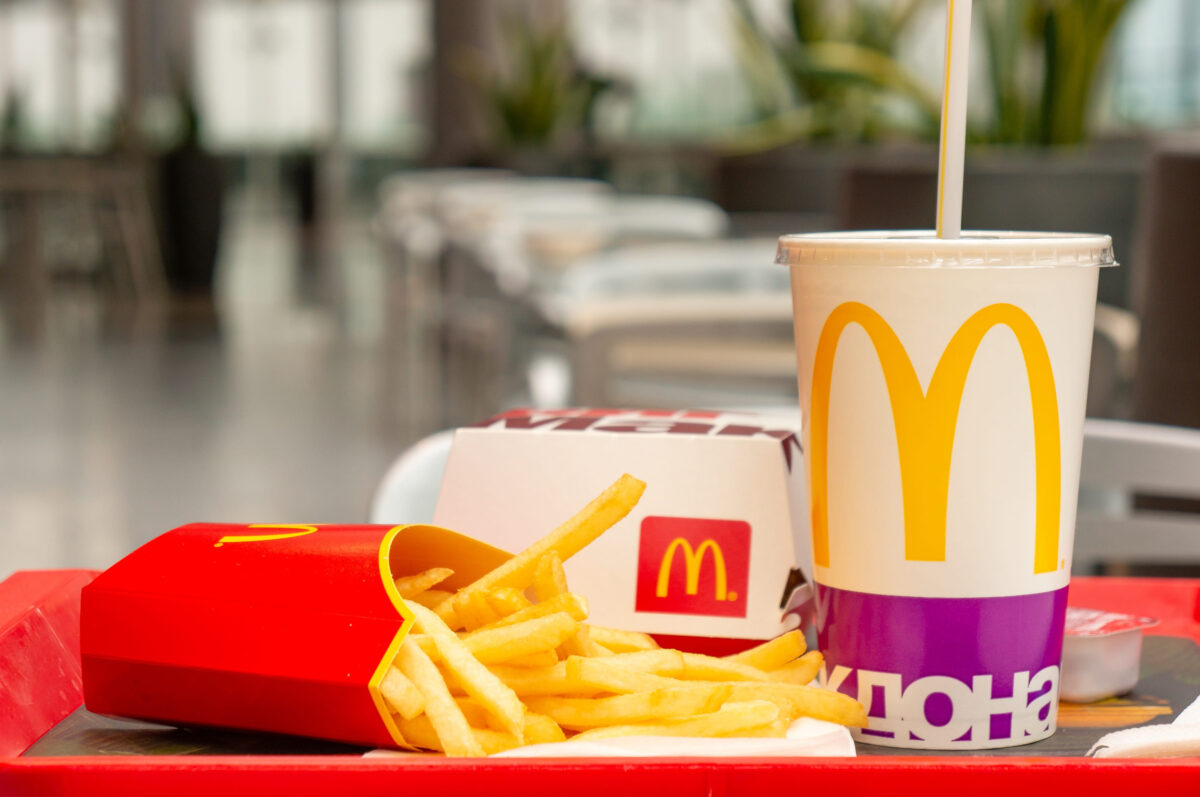
McDonald’s may still be the symbol of American fast food, but many customers no longer see it as the cheap stop it once was. When a basic combo meal pushes into double-digit territory, the old promise of quick value starts to feel shaky.
The chain has leaned heavily on app deals, limited promotions, and value menus to keep budget-conscious customers interested. Still, many diners feel the regular menu has moved too far from the days when McDonald’s was the easy answer for a cheap lunch.
Subway
Subway built much of its identity around affordability, especially when footlong deals made the chain feel like a bargain. That reputation has become harder to defend, as sandwich combos in many places now feel more like a sit-down lunch than a budget meal.
Customers may understand that meat, cheese, vegetables, labor, and rent all cost more. What bothers them is the emotional shift. Subway used to feel like the smart choice when money was tight. Now, some diners say the price makes them pause before adding chips and a drink.
Five Guys
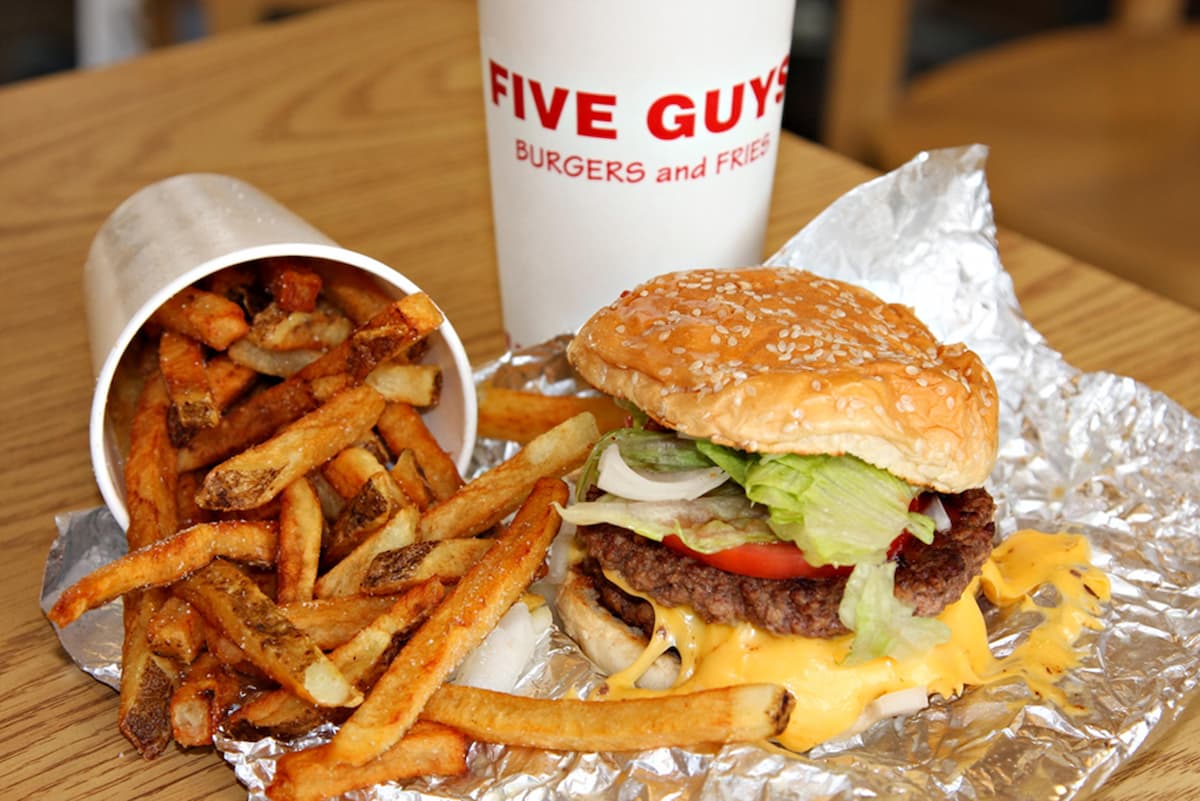
Five Guys has always presented itself as a better-burger option, with fresh patties, generous fries, and a stronger sense of quality than many fast-food rivals. The problem is that customers now often compare the bill to a casual restaurant, not a drive-thru.
A burger, fries, and a drink can add up high enough to make one person’s meal feel like a serious splurge. Fans still praise the taste and portions, but even loyal customers admit the price can sting. Once fast-casual starts to feel premium, people expect more than a paper bag.
Chipotle
Chipotle once had a powerful value story. A filling burrito bowl could cover lunch, dinner, or both if you stretched it right. Today, customers are more likely to notice every extra charge, especially for guacamole, queso, double protein, or a drink.
The anger around Chipotle is often tied to portion expectations. Diners do not just want a lower price. They want the bowl to feel as full as the price tag. When customers believe the scoop looks smaller while the total gets bigger, trust disappears quickly.
Applebee’s
Applebee’s is supposed to be the neighborhood fallback, the place families choose when nobody wants to cook, and everyone can find something familiar. But casual dining can be dangerous for the wallet once appetizers, entrees, drinks, tax, and tip add up.
That is why Applebee’s has pushed deals and limited-time offers so aggressively. The chain understands that customers still like the idea of a casual night out, but many are more careful now. A family meal that once felt harmless can suddenly look like a grocery run for the week.
Buffalo Wild Wings
Buffalo Wild Wings has been hit by a painful reality: wings are fun, social, and easy to crave, but they are no longer always easy to justify. Chicken costs, labor, rent, sauces, drinks, and sports bar overhead all show up somewhere on the final bill.
For groups, the price can climb fast. A few baskets of wings, sides, and drinks can turn a casual game night into a bigger expense than expected. Customers may still love the atmosphere, but many now save it for occasional outings instead of regular hangouts.
Panera Bread
Panera built its brand on feeling a little fresher, calmer, and more grown-up than traditional fast food. Soup, sandwiches, salads, coffee, and bakery items gave it a cozy middle ground between quick service and casual dining. But that middle ground has become expensive.
The complaint is usually simple: customers do not always feel full enough for the total. A soup-and-sandwich combo can feel steep compared with what the same money buys at the grocery store. Panera still has loyal fans, but its value image has taken a hit.
Shake Shack
Shake Shack entered the fast casual world with style, city energy, and a burger that felt more polished than the usual drive-thru order. The brand never promised to be the cheapest option, but customers are now judging it against a tougher affordability test.
A burger, fries, and shake can easily feel like restaurant pricing without restaurant service. That does not mean people dislike the food. It means the visit becomes more deliberate. Customers who once stopped in casually may now treat Shake Shack as a treat rather than a habit.
Olive Garden
Olive Garden still has one major value weapon: unlimited breadsticks. For many diners, that alone keeps the chain in the conversation. But pasta nights can still surprise customers once entrees, drinks, appetizers, upgrades, tax, and tip are factored in.
Large families feel this most. A table that once viewed Olive Garden as a safe, affordable outing may now study the menu more carefully. The food still carries comfort and nostalgia, but nostalgia does not erase the shock of a bigger bill.
Starbucks
Starbucks may be the clearest example of a daily habit turning into a budget leak. A customized drink, breakfast sandwich, and bakery item can cost as much as a full lunch elsewhere. For customers who stop several times a week, the monthly total can be uncomfortable.
The brand still has convenience, rewards, atmosphere, and emotional routine on its side. But more people are doing the math. Home coffee, office coffee, and cheaper local alternatives look more attractive when one morning’s order starts to feel like a small luxury.
Red Lobster
Seafood has always carried a higher price ceiling, but Red Lobster’s challenge is that many customers still remember it as an accessible family treat. Shrimp, crab, lobster, butter, sides, and service costs now make that treat harder for budget-minded diners to repeat often.
The chain has also faced a bigger identity problem. If the bill starts to look like that of an upscale seafood restaurant, customers expect a stronger experience. Red Lobster cannot win on nostalgia alone when families are watching every dollar.
IHOP
IHOP once had one of the clearest value stories in American dining: pancakes, eggs, bacon, coffee, and a booth where families could relax. Breakfast was supposed to be the affordable meal out. Now even breakfast can feel surprisingly expensive.
Eggs, bacon, coffee, rent, and labor have all made pricing morning dining more difficult. Customers still love the comfort of pancakes and syrup, but some now wonder why they are paying restaurant prices for food they can make at home for far less.