Portillo’s Is Closing Restaurants Outside Chicago Even as Sales Tick Up
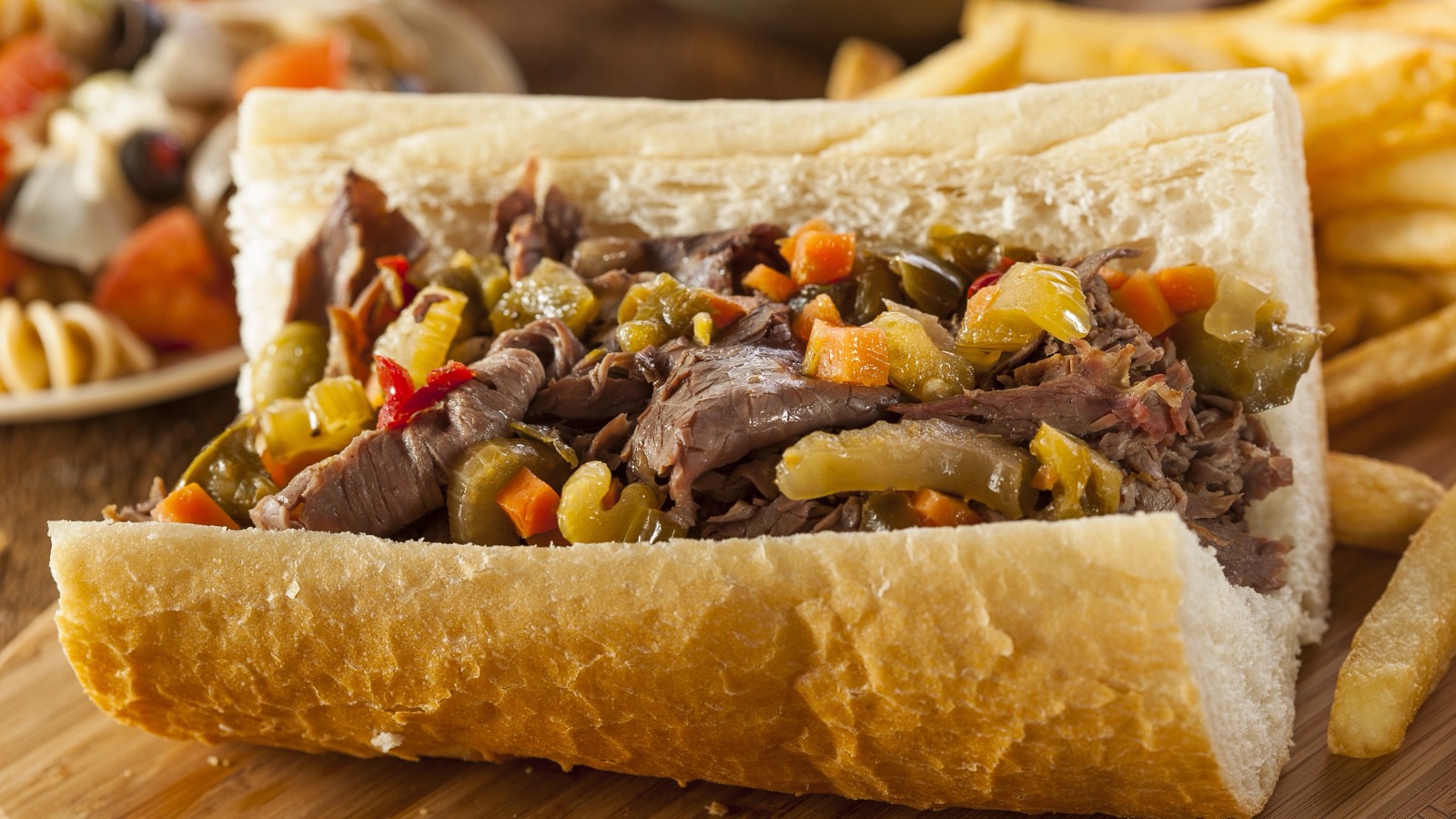
For generations of Chicagoans, Portillo’s has been more than a restaurant. It’s where families go for Italian beef dripping with juice, Chicago-style hot dogs “dragged through the garden” and that famous chocolate cake shake. When the chain began opening in places like Texas, Arizona and Florida, homesick Midwesterners lined up out the door.
Now, the company is pulling back. Portillo’s announced in early November that it will close a group of underperforming restaurants outside the Chicago area, most of them before the end of 2026. The news came in the same report that showed sales at existing restaurants inching higher, which made the decision surprising to some fans.
Here’s what Portillo’s said, which areas could be affected and why the company decided that growing more slowly is the smarter path. It’s a story many longtime fans have been watching closely.
What Portillo’s Announced
In its third-quarter results, released in early November 2026, Portillo’s said it expects to close a “mid-to-high single-digit number of underperforming restaurants outside of Chicagoland,” with most closures happening in the fourth quarter of the year. That means somewhere around five to nine restaurants, according to Nation’s Restaurant News.
The company did not name the specific locations. Outside the Chicago area, Portillo’s operates in states including Texas, Arizona, California, Florida and Georgia. Restaurant Dive reported that Texas, where the chain has expanded heavily in recent years, has been a particular weak spot.
Sales Rose, but Not by Much
The closures came alongside a modest bit of good news. Same-restaurant sales rose 1.4% in the third quarter compared with a year earlier, according to Restaurant Dive. However, most of that growth came from higher menu prices. The number of customer visits, which the industry calls traffic, actually fell 0.7%.
In other words, customers were paying a little more per visit, but slightly fewer people were coming through the door. CEO Brett Patterson called the quarter encouraging but cautioned that one quarter doesn’t make a trend. Wall Street analysts noted that the company’s earnings beat expectations, but the bigger story was the reset of its growth plans.
Why These Restaurants Are Closing
Portillo’s leaders were unusually candid about what went wrong. Patterson said the company took “an honest look at our business” and admitted that Portillo’s “has not delivered the returns our investors expected.” The chain expanded fast into new markets, and some of those bets didn’t pay off.
Several problems came up. Some new restaurants were built in spots where customers had to travel long distances, while others were placed too close to existing locations. Instead of drawing new customers, those nearby restaurants ended up splitting sales with each other. Restaurant Dive also reported that some locations used only the “Portillo’s” name on their signs without describing the food, leaving people in new markets unsure what the restaurant even served.
That last point makes sense to anyone who didn’t grow up in Chicago. To a Chicagoan, the name says it all. To a family driving past in Houston or Phoenix, a sign that just reads “Portillo’s” doesn’t tell them about Italian beef, hot dogs or chocolate cake.
A Smaller, Slower Plan
Along with the closures, Portillo’s is slowing down its expansion and rethinking how it builds restaurants. The company opened only a handful of new locations in 2026, most of them in Texas, and plans just four to six openings in 2027, according to Fast Casual.
New restaurants will also be smaller. The chain’s older restaurants were huge, sometimes 7,700 to 11,000 square feet, decorated with nostalgic themes and memorabilia. Its new prototype planned for 2028 is about 4,600 square feet. Smaller buildings cost less to build and run, which helps each restaurant turn a profit sooner.
Portillo’s is also canceling plans for some future sites that didn’t look promising, spending more money on its existing restaurants and overhauling employee training. The company has cut corporate costs too, including layoffs at its headquarters in the Chicago suburbs earlier this year.
How Portillo’s Grew So Fast
Portillo’s spent decades as a beloved local chain before it went public in 2021. After that, the company set ambitious goals to open many new restaurants a year across the country. Texas became a major focus, with new locations around Dallas and Houston, and the chain also expanded in Arizona and Florida, where many former Midwesterners live.
At first, the new restaurants drew big crowds, helped by Chicago transplants eager for a taste of home. But crowds at a grand opening don’t always last. Once the novelty wore off, some locations struggled to bring in enough regular customers to cover the high cost of their large buildings.
What It Means for Fans
If you live in the Chicago area, your favorite Portillo’s isn’t going anywhere. The closures are limited to restaurants outside Chicagoland, and the company remains deeply rooted in its home market, where it still does most of its business. The original hot dog stand that Dick Portillo opened in Villa Park, Illinois, back in 1963 started a Midwest institution.
For fans in other states, it’s a good idea to check before making a special trip, especially if you plan to drive a long way for an Italian beef. The company hasn’t released a list, and closings often happen with little notice. Portillo’s also ships some of its food nationwide, so transplanted Chicagoans can still get Italian beef kits and chocolate cake delivered to their door.
A Familiar Story in the Restaurant World
Portillo’s isn’t alone. Many restaurant chains have trimmed locations in 2026 as costs climb and diners watch their budgets. Fast growth can look great on paper, and it often excites investors at first, but it can also stretch a company thin, especially when it enters markets where people don’t know the brand. Even some of the fast-food chains that got their start in the 1950s went through similar growing pains.
Portillo’s leaders say they want to build a stronger business for the long haul, even if it means fewer ribbon cuttings for now. For loyal fans, the hope is that the restaurants that remain will be stronger and stick around for years to come.
Have you eaten at a Portillo’s outside Chicago? Is there one near you, and do you think the chain grew too fast?