9 Boomer Habits Psychologists Say Are Actually Healthy
Boomers take a lot of teasing. Younger generations poke fun at their phone calls, their paper calendars, and their habit of showing up fifteen minutes early. “OK, boomer” became a punch line for anything seen as out of date.
But the joke may be on the people laughing. Many of the routines boomers grew up with turn out to be good for the mind and body. Psychologists and health researchers have been recommending them for years, often without noticing who was already doing them.
These habits were never meant as self-care. They were simply how people lived. Here are nine boomer habits that experts say are healthy after all.

1. Calling Instead of Texting
Boomers still pick up the phone. They would sooner talk for ten minutes than trade messages all afternoon. Younger people sometimes find an unexpected call alarming.
Hearing a voice carries warmth and tone that text cannot. Experts on loneliness encourage real conversation as a way to feel connected. The National Institute on Aging includes regular calls with family and friends among its tips for staying connected.
2. Keeping a Regular Routine
Boomers tend to do things at set times. They rise early, eat meals on schedule, and go to bed at about the same hour each night. Their days have a predictable shape.
That consistency supports good sleep and steady moods. The CDC advises going to bed and getting up at the same time every day as a basic habit for better sleep. A routine also reduces the number of small decisions a person has to make.
3. Eating Dinner at the Table
Boomers grew up with family dinner at a set time, at the table, with the television off. Many still eat that way. They see a meal as a time to sit down and talk.
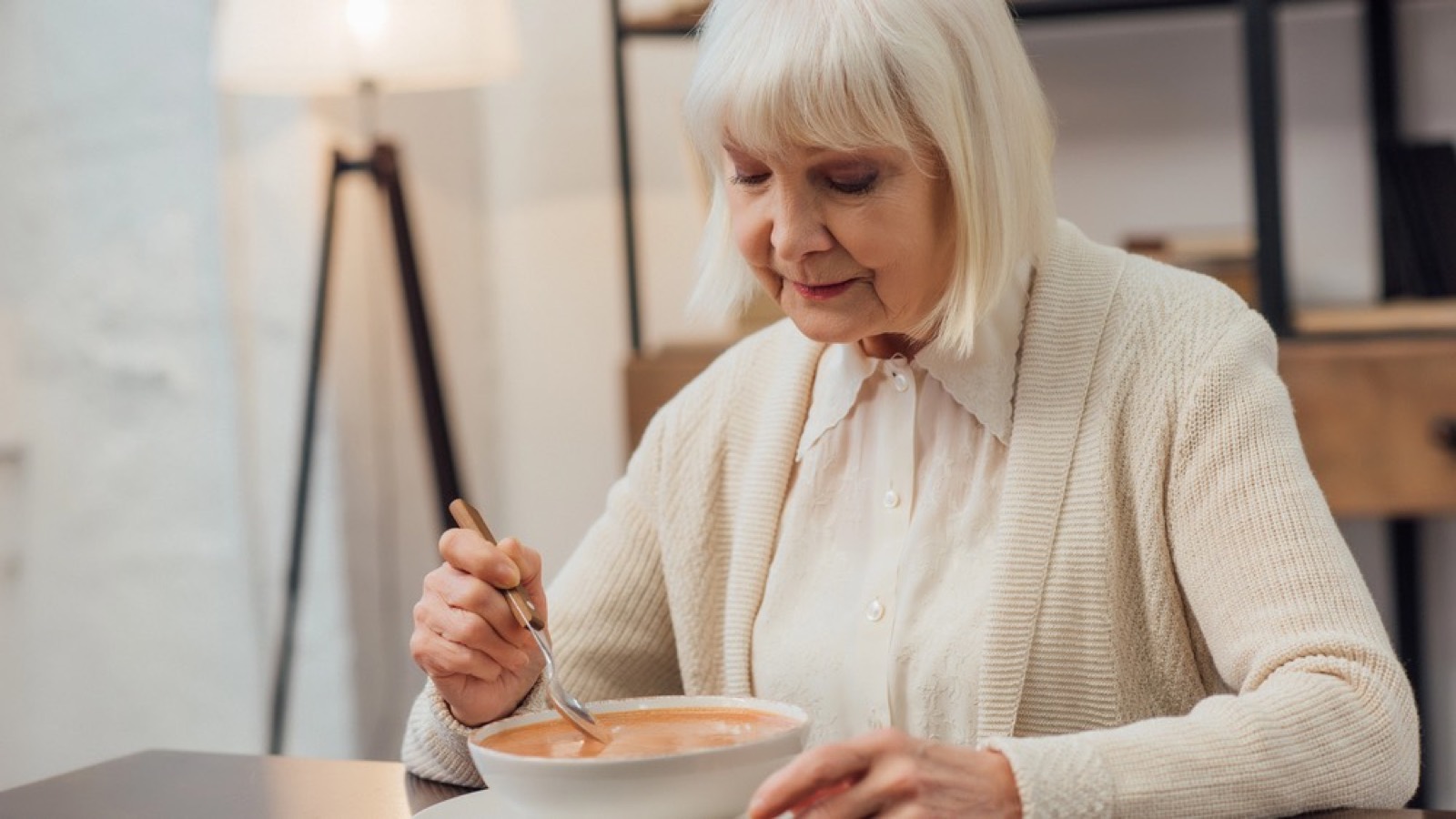
Researchers have found real benefits in this old custom. Experts at the Harvard Graduate School of Education have described how regular family meals support children’s well-being and family connection. Eating without screens also helps people notice when they are full.
4. Writing Things Down by Hand
Boomers keep paper calendars, handwritten grocery lists, and address books. They jot notes on the back of envelopes. They write checks and balance them in a register.
Writing by hand engages the brain differently than typing. Studies suggest it can help with memory and understanding. People who turn a grocery list into a handwritten habit often share traits like focus and planning.
5. Having Hobbies That Use the Hands
Gardening, knitting, woodworking, quilting, and fixing things around the house are classic boomer pastimes. They were taught these skills as children. Many have practiced them for 50 years.
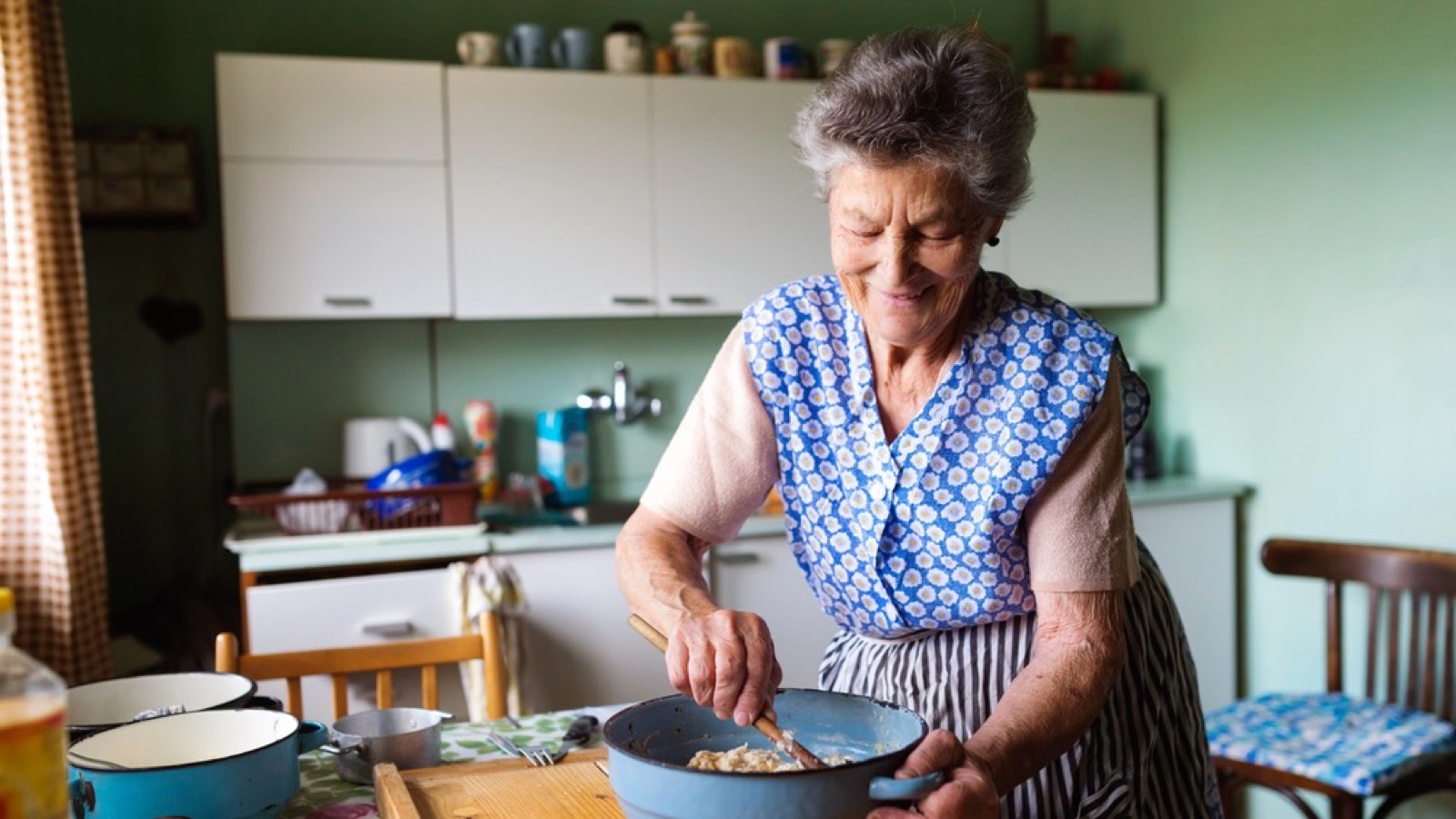
Psychologists note that absorbing, hands-on activities can reduce stress and create a sense of accomplishment. Working with your hands produces something real that you can see and use. It also offers a break from screens and worry.
6. Showing Up in Person
Boomers visit. They drop by a neighbor’s house, attend church, go to club meetings, and show up at funerals. They believe that being physically present matters.

Face-to-face contact is among the strongest protections against isolation. The U.S. Surgeon General’s advisory on social connection describes loneliness as a serious public health concern and stresses the value of community ties. Boomers have been building those ties their entire lives.
7. Saving Before Spending
Boomers were raised by parents who remembered the Depression. They learned to save first and to avoid debt when possible. Many still pay cash and keep an emergency fund.
Financial stress is a major source of anxiety. People with savings and little debt tend to worry less and sleep better. Those old-school money habits that boomers used protect mental health as well as bank accounts.
8. Walking and Doing Chores
Boomers grew up moving. They walked to school, mowed lawns, hung laundry, and washed cars by hand. Many still prefer to do their own yard work and housework.
That everyday activity counts. Experts say regular movement helps maintain strength, balance, and mood as people age. A person who gardens, cleans, and walks to the mailbox is getting meaningful exercise without setting foot in a gym.
9. Keeping Private Things Private
Boomers were taught not to air their troubles in public. They are less likely to post personal details online or share every feeling with strangers. They save those conversations for close friends and family.
There is wisdom in that restraint. Constant sharing on social media can invite comparison and criticism. Having a small circle of trusted people to confide in is often healthier than a large audience.
Why These Habits Work
Most of these habits share a few things. They involve real human contact, physical activity, and a sense of order. Those are the foundations of well-being at any age.
They also slow life down. A phone call takes longer than a text, and a handwritten note takes longer than an email. That slower pace leaves room for attention and thought.
None of this was planned as a wellness strategy. Boomers did these things because that was how the world worked before smartphones. It turns out that the old way had benefits nobody thought to measure.
Not Every Old Habit Is Healthy
It would be wrong to claim that everything boomers do is good for them. Some habits from their era have not held up. Smoking was common, sunscreen was rare, and seat belts were ignored.
Emotional habits could be a problem too. Many boomers were raised to hide their feelings and avoid asking for help. Men in particular were told to tough things out, which can make loneliness and depression harder to address.
Too much routine can also become rigid. A person who never tries anything new may miss chances to learn and connect. The healthiest older adults combine steady habits with a willingness to adapt.
What Younger Generations Are Rediscovering
Interestingly, younger people are starting to adopt some of these practices. Paper planners, vinyl records, knitting, and gardening have all seen a revival. Some are giving up social media or setting limits on their phones.
They describe these changes as mindfulness or digital detox. Their grandparents would simply call it living. Many boomer habits are making a comeback under new names.
This creates a nice opportunity for the generations to connect. A grandmother can teach a grandchild to knit, bake, or grow tomatoes. Both come away better for it.
Advice Worth Taking
There is a lot of talk about what older people should learn from the young. Less is said about what the young can learn from their elders. Boomers have decades of experience in building a stable, connected life.
Their advice is not always welcome, and some of it is out of date. But a good deal of it holds up. There are certainly pieces of advice worth taking from boomers, along with a few to forget.
So the next time someone teases you for calling instead of texting or writing a list by hand, smile. You are doing something good for yourself. Which of these habits do you still keep, and which would you recommend to your grandchildren?