4 Dead in Kentucky Flooding as Governor Declares State of Emergency
Kentucky woke up to the kind of flood disaster that turns familiar roads into traps, quiet neighborhoods into rescue zones, and ordinary rain into a statewide emergency. Four people are dead after severe flooding swept across Kentucky, forcing Gov. Andy Beshear to declare a state of emergency as heavy storms battered communities and sent first responders into dangerous water rescues.
The disaster unfolded after repeated rounds of thunderstorms dumped several inches of rain across parts of the commonwealth. In some areas, officials warned that totals could reach up to 7 inches, enough to overwhelm creeks, drainage systems, low-lying roads, and neighborhoods already soaked by earlier rainfall. By Saturday evening, the governor confirmed that three people had died in Madison County and one person had died in Jackson County.
This is not simply another summer storm story. It is a reminder that flash flooding in Kentucky can turn deadly within minutes, especially when rain falls hard over hills, hollows, narrow roads, and waterlogged ground. As rescue crews searched homes, pulled people from vehicles, and warned drivers to stay off flooded roads, the state entered emergency mode.
Kentucky Flooding Leaves Four Dead in Madison and Jackson Counties
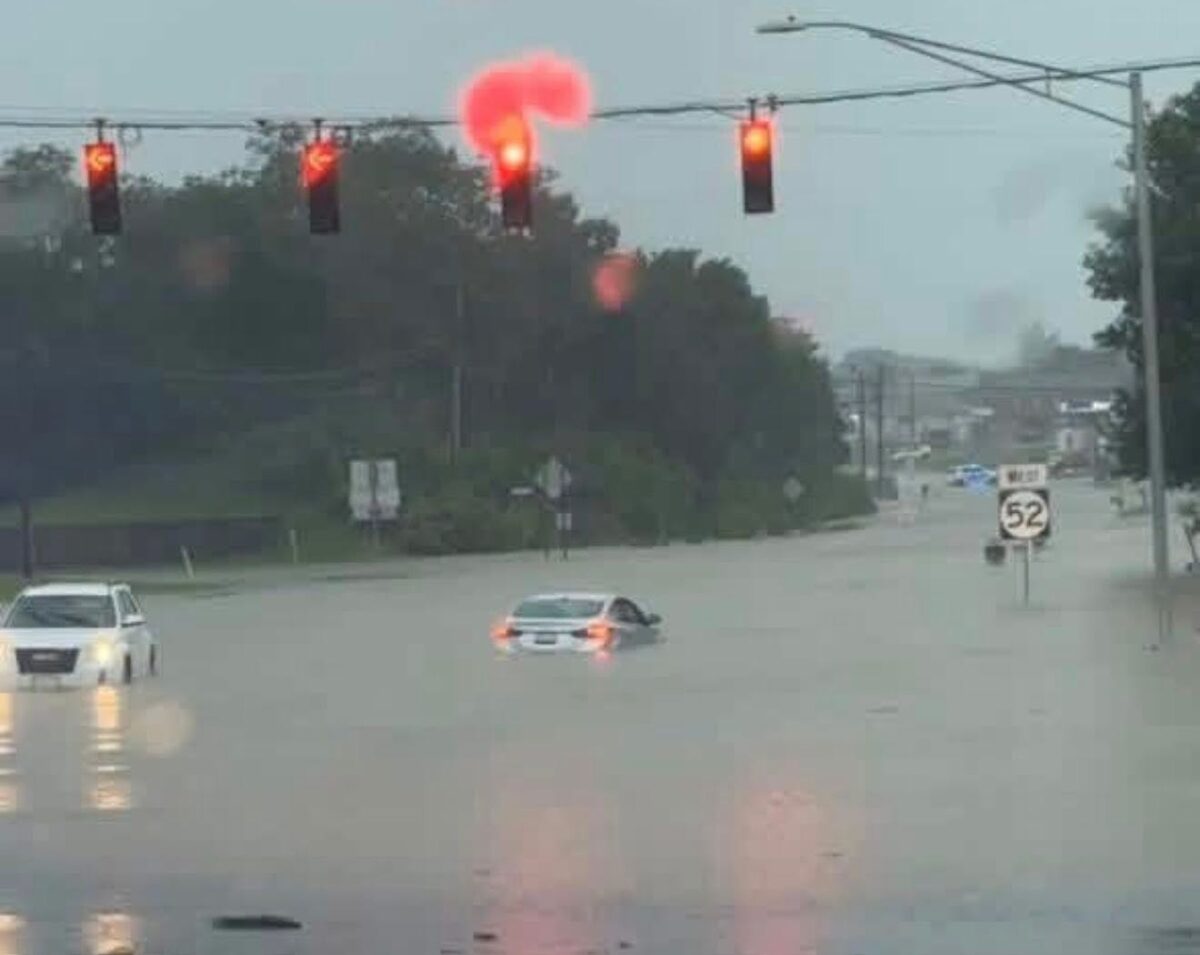
The confirmed deaths made the Kentucky flooding one of the most serious weather emergencies in the region this weekend. Gov. Beshear said the fatalities included three people in Madison County and one person in Jackson County, two areas hit hard by rapid water rises and dangerous road conditions.
Madison County, including the Richmond area, became one of the clearest examples of how fast the storm escalated. Floodwaters covered roads, trapped residents, and forced emergency crews into rescue operations. Reports from local officials described submerged streets and homes surrounded by rising water, with first responders moving quickly through hazardous conditions.
In Jackson County, the danger was just as urgent. Flash flood emergencies were issued for areas including McKee, Sandgap, and nearby communities as law enforcement and rescue teams responded to water-related calls. When flash flood language reaches that level, it means the situation is no longer theoretical. It means lives are already at risk.
For families across the state, the death toll carried a painful weight. Kentucky has lived through devastating floods before, but each new loss hits with fresh force. We are not looking at numbers on a weather map. We are looking at homes, families, neighbors, and communities suddenly forced into grief.
Governor Andy Beshear Declares State of Emergency as Rescues Spread
Gov. Andy Beshear declared a state of emergency for Kentucky as widespread flooding stretched emergency resources across multiple counties. The declaration allows the state to move more quickly, coordinate agencies, support local governments, and respond to immediate threats.
That emergency action came as officials warned people to avoid driving, especially after dark. The governor said the flooding was serious and that teams had already conducted multiple water rescues from vehicles and homes. Those warnings were direct because floodwater is one of the most deceptive dangers in severe weather.
A road can look passable from a distance and still hide a washed-out shoulder, a strong current, or a deep section capable of lifting a car. It takes very little moving water to knock an adult off balance, and it takes only a small rise to sweep away a vehicle. That is why officials repeat the same warning during every major flood: turn around, don’t drown.
The state of emergency also reflects the size of the response. This was not one flooded street or one isolated creek. Several counties faced emergency conditions, with local declarations in Bullitt, Madison, Meade, Mercer, and Spencer counties. The storm system stretched across Kentucky and into parts of Indiana, creating a broad regional threat.
Richmond, McKee, and Other Communities Face Dangerous Water Rescues
The most frightening flood stories often occur before the public sees the full extent of the damage. They happen in 911 calls, stranded vehicles, trapped residents, and rescue crews moving through water that is still rising.
In Richmond, flooding forced emergency crews to respond to water rescues as streets became unsafe. Local images and reports showed roads covered by brown water, intersections swallowed, and normally manageable routes turned into danger zones. The city’s location and surrounding terrain made rapid runoff a serious concern as thunderstorms kept feeding the system.
Jackson County faced its own emergency as floodwaters rose in communities near McKee and Sandgap. Flash flood emergencies are rare and serious. They are issued when the threat is considered life-threatening and urgent, often because flooding is already happening or imminent in populated areas.
The same pattern played out across other parts of Kentucky. Roads closed. Creeks rose. Drivers were told to stay home. Emergency managers urged residents to monitor alerts and move to higher ground when necessary. In floods like this, minutes matter more than miles.
Why Kentucky Flooding Turns Dangerous So Quickly
Kentucky’s landscape makes flash flooding especially dangerous. The state has river valleys, steep hillsides, rural roads, low-water crossings, and communities built near creeks and streams. When heavy rain falls quickly, water does not wait. It rushes downhill, collects in hollows, overwhelms culverts, and spreads across pavement.
That is why a storm total of several inches can become deadly, even if the rain falls over a short window. Saturated soil cannot absorb much more water. Drainage systems can back up. Small streams can swell into violent channels. Roads that looked normal an hour earlier can disappear beneath fast-moving floodwater.
Nightfall makes the risk worse. Drivers cannot easily judge depth in the dark. Washed-out roads become harder to see. Rescue crews face more danger. People who try to cross flooded areas may not realize the road beneath them is gone until it is too late.
This Kentucky flooding also shows the danger of repeated storms. One round of rain softens the ground and fills waterways. A second round pushes them over the edge. A third round can turn a difficult event into a deadly one.
Flooded Roads Become the Most Immediate Threat
During major flooding, roads often become the deadliest places. Many flood deaths happen inside vehicles, not because people are careless, but because water changes faster than they expect. A familiar route can become a current. A shallow-looking puddle can hide a deep washout. A small creek crossing can become impossible within minutes.
Kentucky officials warned that multiple state roads were impassable during the emergency. That detail matters because blocked roads can slow ambulances, trap residents, and delay recovery crews. It also means drivers looking for alternate routes may unknowingly move toward even more dangerous areas.
The safest choice during flash flooding is simple: stay off the roads unless travel is absolutely necessary. If water covers the road, do not test it. If barricades are present, do not drive around them. If visibility is poor, wait. No appointment, errand, or shortcut is worth a life.
We have seen this lesson repeated during storms across Kentucky before. Floodwater does not need to look dramatic to be deadly. It only needs speed, depth, and a moment of misjudgment.
Dam Concerns and Evacuations Add to Kentucky Emergency Response
The flooding also raised concerns in Bullitt County, where residents near a dam embankment were urged to evacuate as a precaution after a landslide. Officials said the dam was holding, and there was no immediate sign of failure, but the warning showed how flooding creates layered risks.
Heavy rain not only floods roads. It weakens slopes, saturates embankments, triggers landslides, and adds pressure to dams and drainage systems. Even when a structure remains stable, emergency managers may order evacuations because waiting too long can eliminate all safe options.
Precautionary evacuations are often misunderstood. They do not always mean disaster is certain. They mean officials see enough risk to move people before the situation becomes impossible to manage. In a flood emergency, early movement can save lives.
For residents, the message is clear. When local officials issue an evacuation order, take it seriously. Bring essential medicine, identification, phone chargers, pets if possible, and leave before roads become blocked.
Kentucky’s Flood History Makes This Disaster Feel Familiar
Kentucky knows the pain of flooding. In recent years, the state has faced repeated disasters that damaged homes, destroyed roads, and left families grieving. Eastern Kentucky’s catastrophic floods remain fresh in public memory, and severe weather has continued to test communities across the commonwealth.
That history matters because it shapes how people respond now. Many Kentuckians understand that flood recovery is not finished when the rain stops. Homes must be cleaned. Roads must be inspected. Bridges must be checked. Power, water, and emergency services must be restored. Families must begin the long process of replacing what the water took.
But history can also create fatigue. When storms keep coming, people may feel tempted to take warnings less seriously. That is dangerous. Every flood has its own behavior, its own weak points, and its own surprises.
This weekend’s flooding in Kentucky showed again that the most important warning is the one happening now. Past experience helps, but it does not make anyone immune.
What Residents Should Do After the Kentucky Flooding
As water begins to recede, the danger does not disappear. Flooded roads may remain unstable. Downed power lines may be hidden. Contaminated water can enter homes. Mud and debris can make cleanup hazardous. Residents should wait for official guidance before returning to evacuated areas or entering flooded structures.
People should photograph damage before cleanup when it is safe to do so. They should keep receipts for emergency repairs, temporary lodging, and essential supplies. They should avoid using electrical systems in flooded homes until professionals inspect them.
Drivers should remain cautious even after the rain ends. Road shoulders can collapse. Bridges can be weakened. Creeks can rise again if more rain falls upstream. Flooding is not always over when the sky is clear.
For those outside the hardest-hit areas, the best support is practical. Check on older neighbors. Avoid unnecessary travel into disaster zones. Follow official donation guidance. Do not block roads to take photos. Let emergency crews work.
A Deadly Reminder From Kentucky’s Rising Water
The Kentucky flooding that left four people dead is a hard warning about how quickly severe weather can become a human tragedy. A storm system moved in; rain fell hard; roads vanished; and families were changed forever.
Gov. Beshear’s state of emergency gives Kentucky more tools to respond, but no emergency order can erase the loss already felt in Madison and Jackson counties. The work now turns to rescue, recovery, road safety, and the protection of residents from the next round of danger.
We can measure rainfall in inches, count closed roads, and list affected counties. But the real meaning of this flood sits deeper than statistics. It is in every family waiting for news, every firefighter entering dangerous water, every neighbor checking a porch light, and every driver deciding not to risk a flooded road.