Married Donald Trump, 80, Faces Claims of ‘Very Unhealthy’ Bond With 34-Year-Old Aide
Donald Trump has built a political world where loyalty is not a soft virtue. It is a survival tool, a gate key, and often the price of admission. That is why the renewed scrutiny around Natalie Harp, the 34-year-old aide often seen near the 80-year-old president, has become more than another Washington personality story.
The phrase now driving the controversy is “very unhealthy.” It came from Harp’s estranged brother, Preston Harp, after new reporting placed his sister’s relationship with Trump back under the national microscope. But the deeper question is not whether internet gossip can make the story louder. The question is whether one aide’s intense devotion gives her unusual access to a president whose information diet already shapes policy, public messaging, and political combat.
This is where we have to separate spectacle from substance. There is no verified evidence proving a romantic relationship between Trump and Harp. The serious issue is influence. When one aide prints the stories, carries the praise, helps shape the posts, and remains close enough to become part of the daily presidential rhythm, we are no longer looking at ordinary staff loyalty. We are looking at the politics of access.
The 34-Year-Old Aide Known Inside Trumpworld as the “Human Printer”
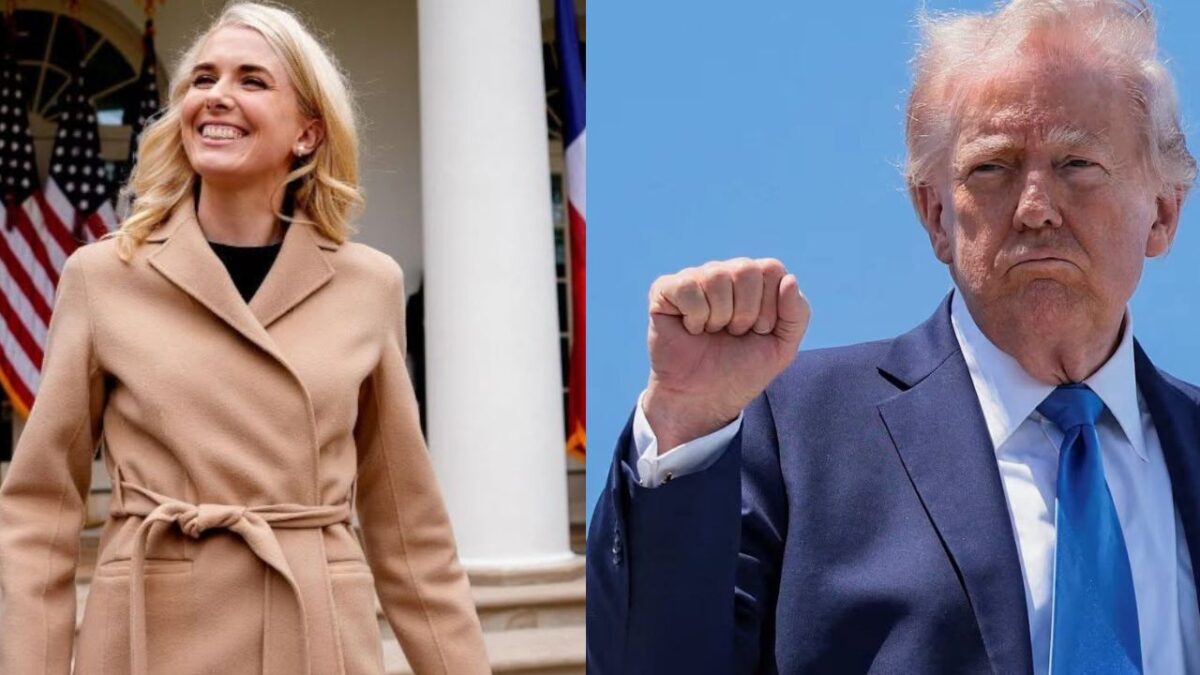
Natalie Harp did not become a familiar name in Trump’s orbit by accident. She first rose to public attention after crediting Trump-era “Right to Try” legislation with helping save her life during a cancer battle. That story brought her into Trump’s view, and it later helped turn her into a visible supporter within his political movement.
Harp also worked as a conservative television personality before joining Trump’s team. Over time, she became known for a highly specific role: bringing Trump printed material he wanted to see. That habit earned her the nickname “human printer” because she reportedly followed him with a portable printer, delivering articles, online reactions, and flattering commentary.
In Trump’s political universe, that role is not small. The president’s mood, messaging, and public attacks often move quickly from what he reads to what he says. When an aide controls part of that stream, the aide can become more than administrative support. She can become a filter.
Why the “Very Unhealthy” Claim Landed So Hard
Preston Harp’s criticism hit because it did not arrive in a vacuum. His comments followed fresh attention on claims from recent books and reports describing Natalie Harp as unusually devoted to Trump. Her brother, who is estranged from her, described the relationship in blunt emotional terms.
We should treat family comments carefully. Estrangement can complicate perspective, memory, and motive. But the timing made his words explosive. The public was already reading about private notes, intense praise, and concern among people close to Trump.
That is why the phrase “very unhealthy relationship” spread so quickly. It gave readers a simple label for a complicated arrangement. It also raised a sharper question: how much influence should any one intensely loyal aide have around a sitting president?
The Notes That Turned Loyalty Into a National Story
The most eye-catching details involve notes reportedly left by Harp for Trump. One reported line, “You are all that matters to me,” became the kind of sentence that instantly escapes political books and becomes social media fuel. It sounds personal, theatrical, and deeply unusual in a workplace built around state power.
For Trump supporters, Harp may simply look like a fiercely loyal aide who believes in the president she serves. That view matters because loyalty has always been central to Trump’s brand. He rewards it, talks about it, tests it, and often judges people by whether they stay close when pressure rises.
For critics, the notes raise a different concern. They see a staff culture where flattery can become a form of influence. In that reading, Harp’s devotion is not merely personal. It becomes part of the machinery that surrounds Trump with praise, reinforces his instincts, and possibly narrows the range of information reaching him.
The Real Issue Is Access, Not Bedroom Gossip
The cheapest version of this story turns it into an innuendo. That misses the point and weakens the reporting. The public issue is not whether people can speculate about Trump’s marriage or Harp’s private life. The public issue is whether one aide has become unusually powerful because of proximity.
We have seen this pattern before in presidential history. The people closest to presidents are not always the people with the biggest titles. They are the ones who control calendars, briefings, moods, messages, and last-minute decisions. Power often sits near the chair, not just on the organizational chart.
That is why Harp’s reported role matters. If she helps shape what Trump reads, what he sees online, and what he posts, then she sits close to the pipeline between private reaction and public presidential action. In the Trump era, a social media post can become a market signal, a diplomatic message, a threat, or a loyalty test.
A White House Where Loyalty Can Outrank Restraint
Trump has never hidden his preference for personal loyalty. He often values people who defend him aggressively, praise him publicly, and remain loyal through scandal, indictment, investigation, and political defeat. Harp fits that model with unusual intensity.
That loyalty may explain why Trump reportedly values her so highly. In his world, aides who stay close after difficult moments earn a special kind of trust. The problem is that the government does not function best as a loyalty contest. It needs restraint, honest advice, and people willing to say no.
When a president prefers affirmation, the person providing affirmation gains leverage. That does not require a formal title. It requires repeated access, emotional trust, and the ability to deliver the kind of information the president wants, when he wants it.
Why Natalie Harp Became a Symbol of Trump’s Inner Circle
Harp now represents something bigger than herself. She has become a symbol of the second Trump-era inner circle: smaller, more loyal, more personal, and less interested in traditional guardrails. Her critics see that as dangerous. Her defenders see it as proof that Trump trusts people who understand him.
This is why the story has such staying power. It combines age, loyalty, marriage, power, secrecy, and the image of a young aide constantly near an older president. But the most important part remains institutional. Who gets to be close enough to influence the president before everyone else knows what happened?
In Washington, proximity can be more valuable than rank. A person with the president’s ear can matter more than a person with a Cabinet office. That is why aides, assistants, schedulers, communications staff, and personal advisers often become subjects of scrutiny when their access appears unusually strong.
The White House Defense and the Politics of Dismissal
The White House has defended Harp as loyal and hardworking. That response is predictable, but it is also politically useful. Trump’s team often frames criticism of his inner circle as media hostility rather than a governance concern. That keeps the focus on press bias instead of internal decision-making.
Still, dismissing the story entirely does not answer the central issue. The public does not need to know every private conversation inside the White House. But it does have a legitimate interest in understanding who shapes the president’s information flow.
The more powerful the office, the more important the gatekeepers become. That is true for every president. It becomes even more important when the president is famous for reacting quickly, posting frequently, and making personnel and policy decisions based on loyalty, grievance, and instinct.
What the Harp Controversy Really Reveals About Trump’s Presidency
The Natalie Harp controversy reveals a familiar truth about Trump’s political operation. It is intensely personal. It runs on loyalty, performance, proximity, and emotional reinforcement. Traditional bureaucracy may still exist around him, but the real action often happens through trusted people who know how to reach him directly.
That does not make Harp uniquely dangerous by itself. It does make her important. Any aide who can influence what a president reads, hears, and posts deserves scrutiny, especially when reporting suggests that other insiders have expressed concern.
We should avoid turning this into a tabloid guessing game. The better question is sharper and more serious. In a presidency where words can become policy within minutes, who controls the words before they reach the president?
That is why the story will not disappear quickly. Natalie Harp is not just another aide in the background. She has become a window into how Trump’s world works from the inside: loyalty first, access second, restraint somewhere further down the list.
In Washington, the quietest gatekeeper can sometimes become the loudest story.