8 Dating Habits That Are Making Americans Give Up on Love
Dating in America has started to feel less like romance and more like trying to return a package with no receipt.
Everyone says they want connection, but half the room is emotionally unavailable, the other half is “seeing where things go,” and someone is still typing “haha true” as if that counts as intimacy.
The problem is not that Americans have stopped wanting love. The problem is that modern dating has turned love into a maze of mixed signals, endless apps, casual confusion, and emotional self-protection.
Three in ten U.S. adults have used a dating site or app, and many users describe the experience as a mix of possibility, frustration, harassment, and disappointment. Dating app burnout has become a serious issue, especially among younger users.
Treating texting like a personality test

Texting has become the first courtroom of modern dating. Someone sends “good morning,” and suddenly the other person is analyzing punctuation, response time, emoji choice, message length, and the suspicious absence of a second “y.” A simple conversation now feels like a psychological exam with no answer key.
This habit drains the fun out of getting to know someone. Instead of asking better questions or planning real dates, people spend hours decoding tiny digital signals. A delayed reply becomes disrespectful.
A short reply becomes emotional distance. A double text becomes desperation. Love cannot grow well inside a notification bubble where everyone is acting calm but secretly auditing every message for evidence of rejection.
Swiping like love is a clearance sale.
Dating apps promised choice, but too much choice has turned romance into scrolling inventory. One profile looks nice, but maybe the next one is taller, funnier, richer, closer, hotter, more spontaneous, or somehow better at holding a fish.
The swipe never ends, so commitment starts to feel like settling too early in a store that keeps restocking.
This habit makes people forget that attraction needs attention to grow. When every person becomes one more option in a digital pile, nobody feels fully real.
53% of singles say they feel dating burnout, which says a lot about what happens when the search for love starts feeling like unpaid admin work.
Calling everything a situationship

The situationship has become the emotional waiting room of American dating. People act like a couple, text like a couple, sleep together, share secrets, meet friends, and maybe even take little weekend trips. Then, the second someone asks what it all means, the room suddenly fills with fog.
This habit makes people give up because it keeps them close enough to hope and far enough to hurt. Nobody wants to beg for clarity from someone who enjoys the benefits of intimacy without the responsibility that comes with commitment.
The line “let’s just see where this goes” can sound relaxed at first, but after months of confusion, it starts to feel like a trap wrapped in casual language.
Ghosting instead of being honest
Ghosting is the disappearing act nobody claps for. One day, the messages are warm. The jokes are flowing. Plans are floating in the air.
Then silence arrives like a locked door. No explanation. No goodbye. No basic respect. Just a person left refreshing their phone and wondering what changed.
This habit has made dating feel emotionally unsafe. People do not expect every date to turn into a relationship, but many still want the dignity of a clear ending. Ghosting teaches people to stay guarded because a connection can vanish without warning.
After enough disappearances, even hopeful people start treating new matches like temporary weather.
Performing instead of connecting

Modern dating has become painfully performative. People arrive on dates trying to look healed, successful, mysterious, funny, ambitious, emotionally stable, well-traveled, and completely unbothered.
Nobody wants to seem too eager. Nobody wants to admit loneliness. Nobody wants to say, “I would actually like something real.”
That performance kills intimacy before it has a chance to breathe. Real connection needs a little awkwardness, a little honesty, and a little risk.
Bumble’s 2025 dating trends found that many singles now value smaller gestures of affection, like sharing playlists, memes, and inside jokes, which suggests people still crave warmth over grand romantic theater.
The problem is that too many daters are still auditioning instead of showing up.
Turning red flags into a hobby
Awareness is useful. Obsession is exhausting. Dating culture has trained people to scan every sentence, outfit, hobby, job, family story, and social media post for red flags. Someone mentions an ex, and the alarm bells ring.
Someone who likes alone time is now emotionally unavailable. Someone wants to split the bill, and suddenly, the group chat is holding a trial.
This habit makes people suspicious before anything bad has happened. Standards matter, but constant threat detection can turn dating into emotional surveillance.
People begin protecting themselves from imaginary heartbreak so aggressively that they end up blocking real connections, too. Nobody wants to feel like they are being interviewed by someone who already expects them to fail.
Using money as a scoreboard
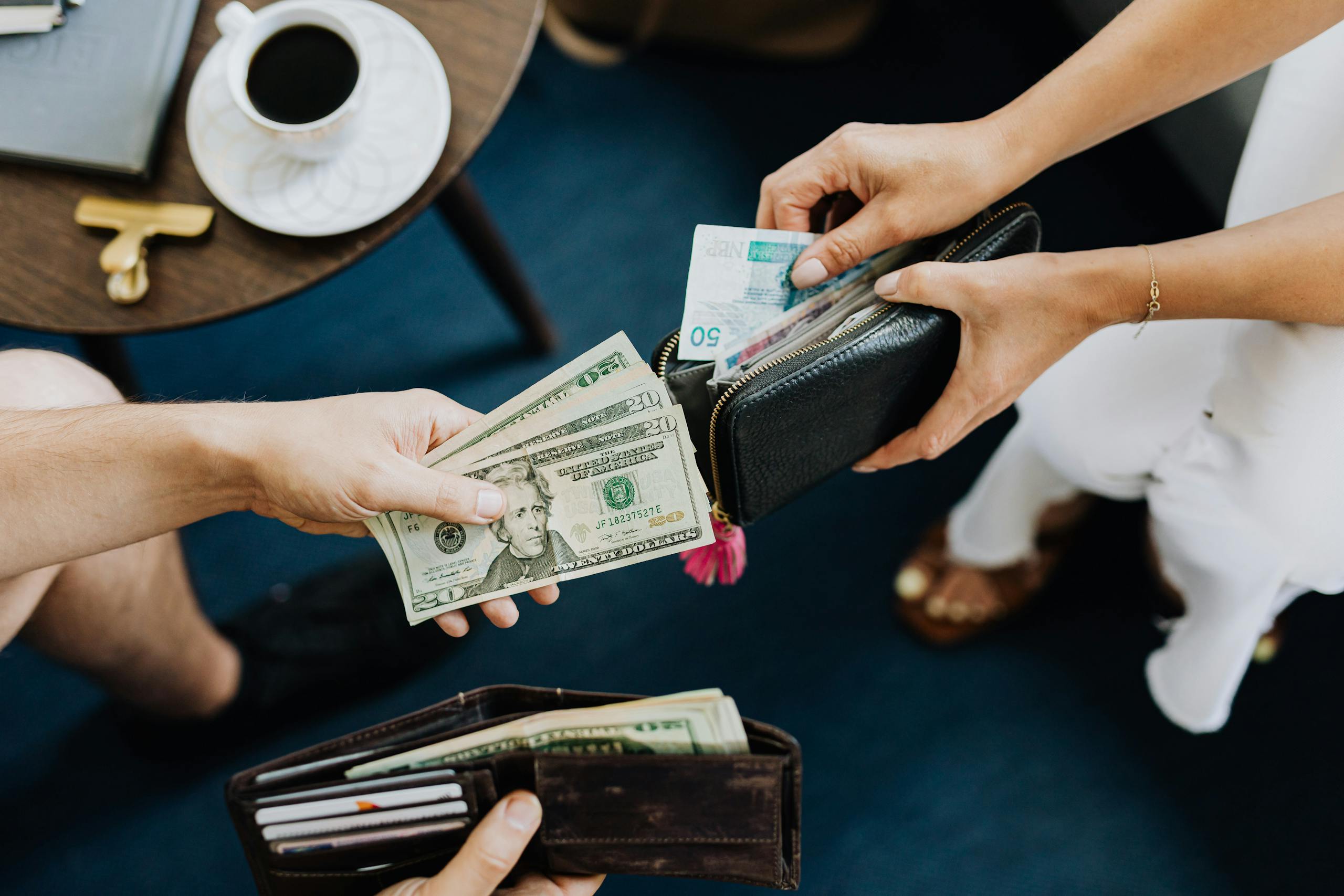
Money has always mattered in dating, but now it often walks into the room before the people do. Rent is high.
Groceries cost more. Student loans, car payments, credit card debt, and unstable jobs shape how Americans date. Still, the habit of using income, lifestyle, restaurants, vacations, gifts, and job titles as proof of romantic value is making people tired.
This cuts both ways. Some people feel judged for not earning enough. Others feel used for what they can provide.
Dates become financial auditions instead of emotional conversations. Love starts to feel less like a partnership and more like a luxury subscription with hidden fees. When people feel measured by their wallet, they stop feeling seen.
Avoiding vulnerability is like a bad habit.
The most dangerous dating habit is pretending not to care. People say “I’m chill” when they are anxious. They say “no pressure” when they want clarity.
They say, “I’m just going with the flow,” even when the flow is clearly dragging them into emotional traffic. Everyone wants love, but nobody wants to be the one to admit it first.
This fear creates a dating culture full of people protecting their pride while starving their hearts. Hinge’s 2025 Gen Z report found that 84% of Gen Z daters want new ways to build emotional intimacy, even as hesitation and weak conversations make that harder.
That is the modern dating contradiction in one sentence. People want depth, but many still hide behind coolness until the connection dies from neglect.
Conclusion

Americans are not giving up on love because love has lost its appeal. They are giving up because the process feels bruising, confusing, performative, and weirdly exhausting.
Texting feels like a strategy. Apps feel endless. Situationships feel hollow. Ghosting feels cruel. Everyone wants connection, but too many people are dating from behind armor.
The fix is not dramatic. It starts with clearer communication, fewer games, better boundaries, and the courage to act on real feelings that are not embarrassing. Love does not need another perfectly curated profile. It needs people brave enough to stop performing and start telling the truth.