6 Harsh Truths About America’s New Trade War That Consumers Feel First
It’s no secret that trade wars come with a mix of political promises and economic consequences. For all the talk of protecting American jobs and reshaping global trade, the reality is that consumers are often the ones who feel the effects the hardest and the fastest.
In theory, tariffs are supposed to raise the prices of imported goods, giving domestic industries an edge. But in practice, the cost of those goods is usually passed on to consumers. Here are 6 harsh truths about America’s new trade war that will hit your wallet first.
Everyday Prices Can Rise Before Paychecks Catch Up

When tariffs hit, they don’t waste any time showing up on store shelves. In many cases, the price hikes on everyday products come faster than any wage increases can compensate for them. Think about it: the price of goods doesn’t just rise overnight. It’s a slow, steady climb. A few dollars here, a few cents there, until your weekly grocery bill starts to feel like a budget-busting ordeal.
For many families, it’s not the big-ticket items that sting the most; it’s the smaller ones that sneak up on you. From laundry detergent to pasta to phone chargers, small price hikes can quickly add up. And while you might not feel the pinch right away, it’s a slow burn that can make life feel a little more expensive than it used to be.
Cheap Imports May Stop Feeling So Cheap
In America, we’ve gotten used to cheap imports. From clothing to electronics to household items, imports have been the backbone of our consumer economy for decades. But with tariffs now pushing up the price of imported goods, those bargains may start to feel a lot less like bargains.
Take a $12 lamp from a big-box retailer. It might have been cheap in the past because the materials were imported at a low cost. But now, that same lamp might cost $14 or $15, thanks to added tariffs on the parts. That increase doesn’t seem like much at first, but when it happens across multiple items you buy each week, it can leave a significant dent in your wallet. Even the “cheap stuff” is about to get more expensive.
Cars, Repairs, and Parts Could Get Pricier

For many families, a car is more than just a means of getting from point A to point B. It’s essential to get to work, pick up the kids, and run errands. So what happens when the price of car parts and repairs increases due to tariffs? Car ownership just got more expensive.
Cars are made from thousands of parts, many of which come from overseas. Tariffs on steel, aluminum, and auto parts have already started to impact car prices. If you need a repair, it’s not just the cost of labor that may rise; auto parts themselves could cost more, too. And with fewer affordable options on the market, families may have to think twice before upgrading their cars or addressing those pesky maintenance issues.
Food Prices Can Move in Sneaky Ways
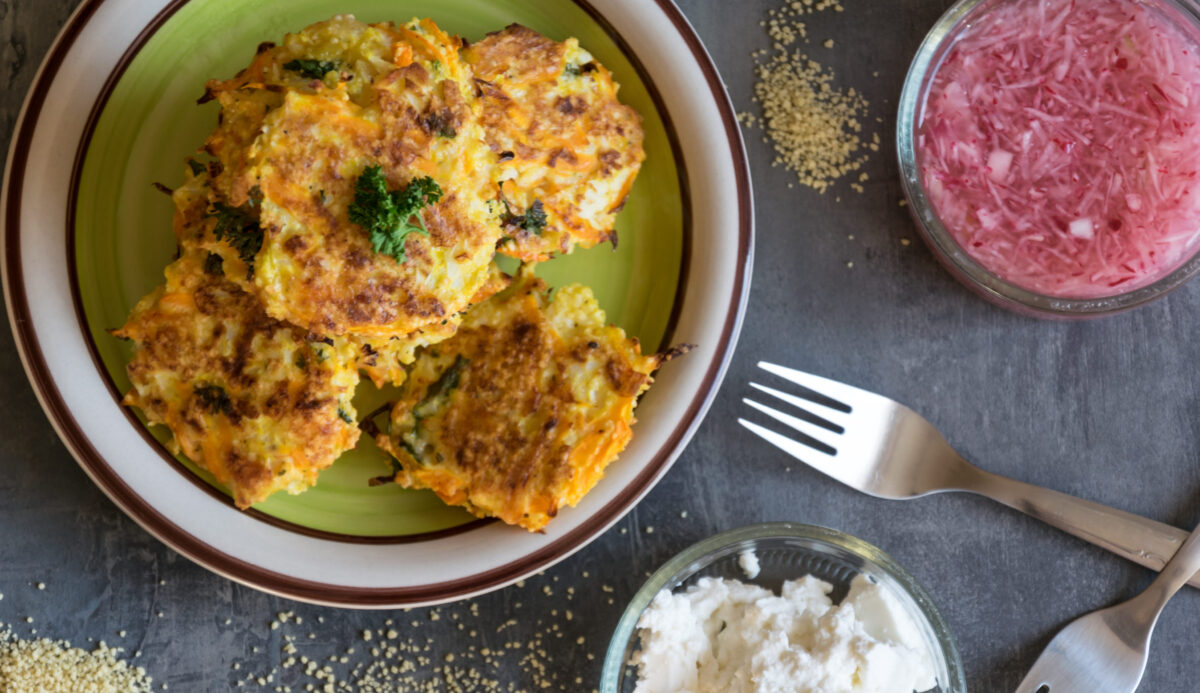
Everyone needs to eat, and food is one of those categories where tariffs are already making a noticeable difference. But it’s not just the cost of fresh produce that’s rising. Even something as basic as canned soup could cost more due to tariffs on metal. Packaging, transportation, and machinery all depend on imports that are affected by tariffs, and that’s where the hidden price hikes happen.
But it’s not just the price you see on the shelf. Retaliatory tariffs can also hurt farmers and exporters, making it more expensive to grow or import products in the first place. That means you could be paying more for everything from pasta to meat to frozen food, even though the original ingredients may not have been directly affected by the tariffs. Tariffs can raise the cost of everything from farm equipment to packaging materials, which are all reflected in the final price you pay at the store.
Small Businesses May Pass Costs Along
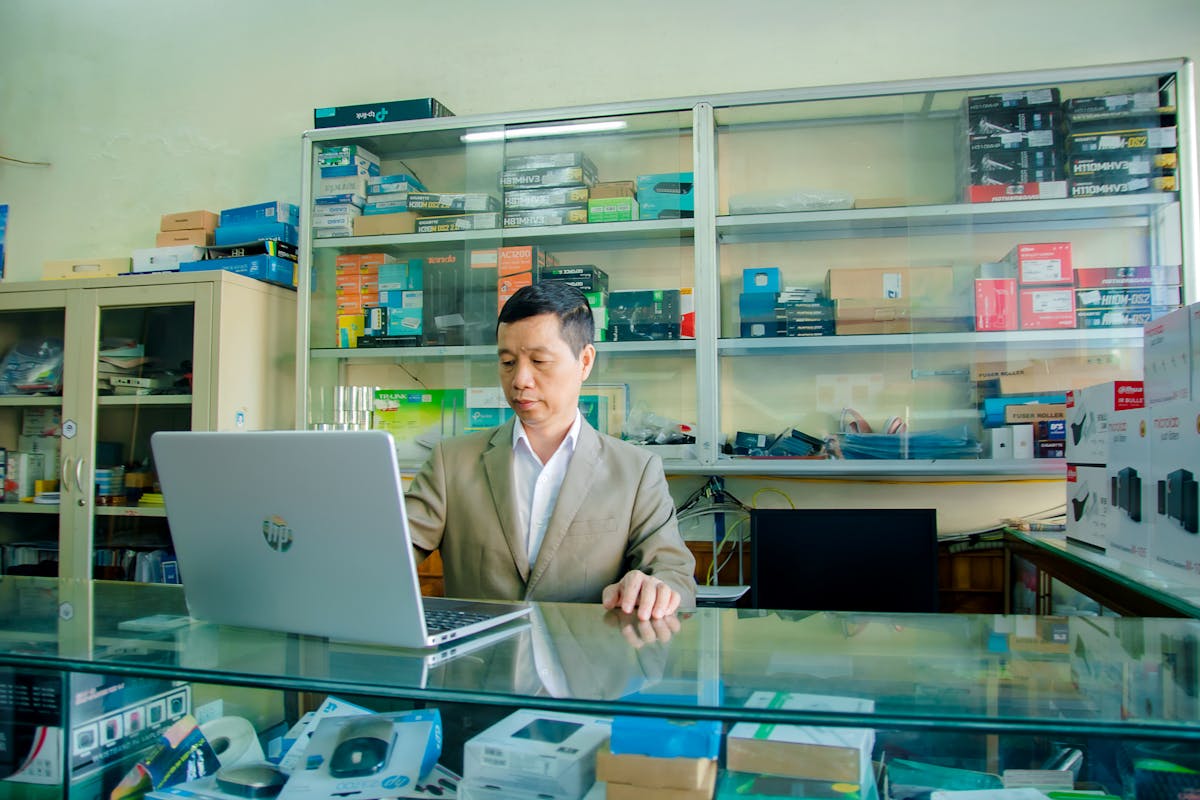
It’s not just big corporations that get affected by tariffs. Small businesses, which are often already operating on slim margins, may have no choice but to raise prices when costs rise. For small retailers, restaurants, or repair shops that rely on imported goods, the cost of doing business just increased.
That could mean fewer deals on a new sofa at your local furniture store or higher prices for a haircut at your neighborhood salon. You might even see more service fees added to your bill. But the reality is, small businesses can’t always afford to absorb the extra costs. Unfortunately, in times like these, those costs are often passed on to consumers.
The Trade War May Change What Americans Buy
Finally, one of the most significant effects of the trade war isn’t just price hikes, it’s the shift in what consumers are actually willing or able to buy. As goods become more expensive, Americans may begin to change their shopping habits. You might start opting for fewer new items, choosing cheaper alternatives, or delaying purchases you once made easily.
In some cases, shoppers will trade down from name-brand products to store brands. Others may put off buying a new car or take fewer vacations. Some may even turn to secondhand items or repair old things rather than buy new ones. This shift could have a lasting impact on how businesses market products and how consumers make purchasing decisions. The hope from some lawmakers and economists is that this will push businesses to ramp up domestic production, but that could take years.
Conclusion
While the trade war may be a distant battle fought in policy rooms, its consequences are very real for American consumers. From rising prices on household essentials to the way businesses adjust their practices, the new trade environment is affecting what we buy and how we buy it. For now, it’s important to stay informed, shop smarter, and adapt to the shifting landscape. Prices may go up, but so does the need to be a more strategic consumer.