Ten Foods That Started as Cheap Meals and Became Popular
Some of the world’s most famous foods were not created for fancy restaurants or luxury menus. They started as simple meals made by ordinary people trying to stretch affordable ingredients, use what was available, and create something filling.
Over time, these humble dishes traveled across borders, became cultural icons, and eventually appeared on expensive restaurant menus. Their journey proves that food doesn’t need a high price tag to become unforgettable.
Here are 10 foods that went from budget meals to worldwide favorites.
Pizza
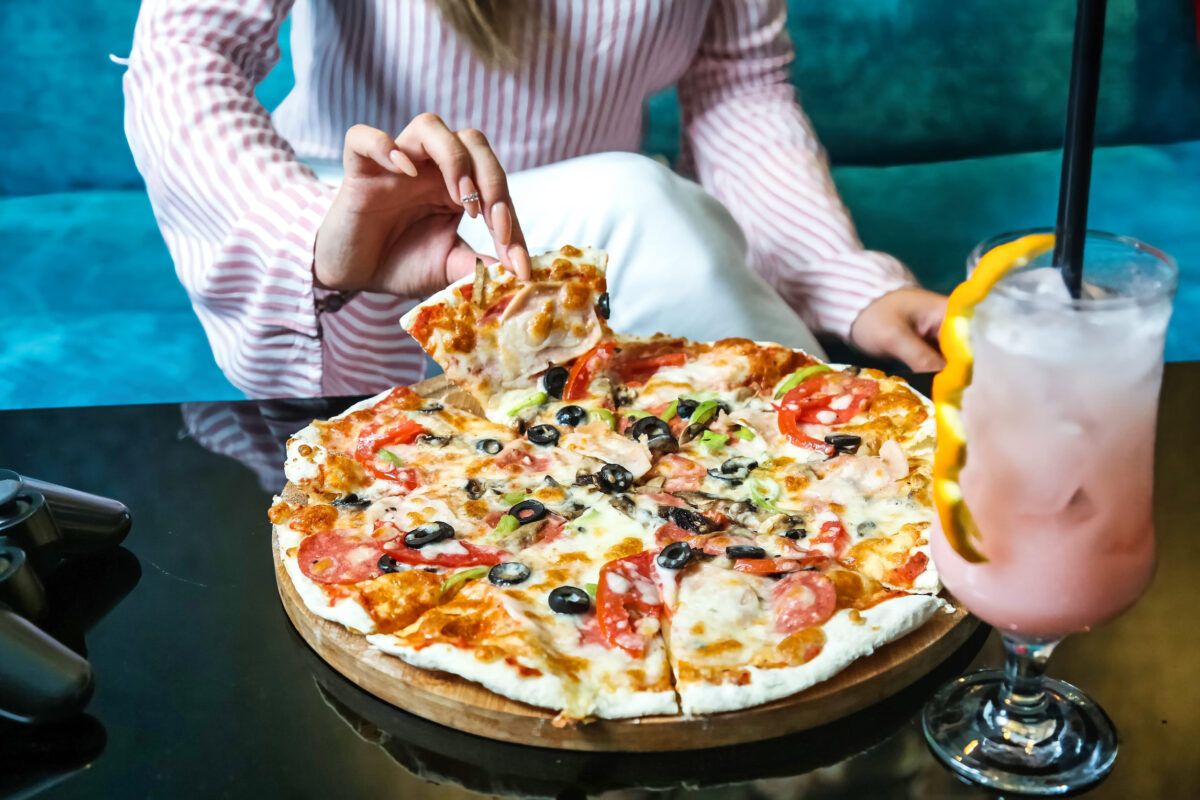
Today, pizza can mean a gourmet creation topped with imported cheese, specialty meats, or expensive ingredients. But its roots are much simpler.
In Naples, Italy, pizza began as an affordable meal for working-class people. Bakers and street vendors used basic dough with inexpensive toppings like tomatoes, garlic, oil, cheese, and whatever ingredients were available.
Pizza became popular because it was cheap, portable, and satisfying. Immigrants later brought pizza traditions to other countries, where new styles developed.
Today, you can find pizza topped with truffles and luxury ingredients, but a simple cheese slice still represents the original appeal: turning basic ingredients into a delicious meal.
Ramen
Ramen is now celebrated worldwide, with restaurants serving carefully prepared broths, handmade noodles, and premium toppings. But its history is closely tied to affordable food.
Noodle vendors originally served hot bowls to workers, students, and city residents who needed a filling meal without spending much money. During difficult economic periods, ramen became an accessible source of comfort and nourishment.
The invention of instant ramen made the dish even more popular by creating a cheap, convenient meal that people could prepare almost anywhere.
Today, ramen shops may charge premium prices, but the basic idea remains the same: a warm, satisfying meal made accessible to everyone.
Tacos
Tacos are one of the best examples of a simple food becoming a global favorite.
The taco’s foundation, the tortilla, was affordable, filling, and practical. Workers and families used tortillas to hold whatever ingredients they had available, including beans, vegetables, leftovers, and inexpensive cuts of meat.
Because tacos were easy to prepare and customize, they became popular with home cooks and street vendors.
Today, restaurants serve everything from traditional tacos to expensive versions filled with seafood or luxury meats. But every taco still follows the same humble idea: making a small amount of food into a complete meal.
Lobster
Few foods have changed their reputation as dramatically as lobster.
Today, lobster is associated with expensive seafood restaurants and special occasions. But centuries ago, lobster was ordinary and so plentiful in parts of North America that people sometimes saw it as food for poorer communities.
As transportation improved and demand increased, lobster slowly became a luxury item. Its story shows how availability and perception can completely change the way people value food.
Oysters
Oysters followed a similar path.
Before becoming symbols of upscale dining, oysters were affordable everyday food. In many coastal communities, workers could buy them cheaply and enjoy them fried, baked, stewed, or added to other dishes.
As oyster supplies declined and restaurant culture changed, oysters gained a more exclusive image. Today, they are often served on ice at expensive restaurants, but their history began with accessibility.
Sushi
Sushi is often seen as an elegant, expensive dining experience, but its origins are surprisingly practical.
Early versions of sushi were created to preserve fish using fermented rice. Later, sushi evolved into a quick meal sold by vendors in Japan, designed to be convenient and easy to eat.
Modern sushi can include expensive seafood and high-end preparation, but its popularity grew from a much simpler idea: combining rice and fish into an enjoyable everyday meal.
Polenta
Polenta was once a staple for rural families in Northern Italy.
Made from cornmeal, it was inexpensive, filling, and easy to prepare in large amounts. Families used it as a dependable meal and combined it with whatever ingredients they had available.
Today, restaurants serve polished versions of polenta with cheese, sauces, mushrooms, and premium meats. But its foundation remains the same: a simple ingredient transformed through careful cooking.
Risotto
Risotto may now appear on expensive restaurant menus, but it began as practical home cooking.
Rice was combined with broth, vegetables, cheese, and whatever ingredients were available. The slow-cooking method created a creamy, satisfying dish without requiring expensive ingredients.
Chefs later elevated risotto with additions like seafood, mushrooms, and truffles, but the dish’s heart remains simple and resourceful.
Chicken Wings
Chicken wings were once considered one of the less valuable parts of the chicken.
Because they contained less meat than other cuts, they were inexpensive. Creative cooks changed that by frying them, adding flavorful sauces, and turning them into a popular snack.
Buffalo wings became especially famous because they were affordable, shareable, and perfect for gatherings. Today, wings are a restaurant favorite, but their story began with making the most of an overlooked ingredient.
Pulled Pork
Pulled pork shows how patience can transform an inexpensive ingredient.
Cuts like pork shoulder were affordable but tough when cooked quickly. Slow cooking helped break down the meat, creating something tender and flavorful.
What started as a practical way to feed families and communities eventually became a major barbecue tradition. Restaurants now charge premium prices for smoked pulled pork, but its roots remain in simple cooking and smart use of ingredients.
From Cheap Meals to Global Favorites
These foods became famous not because they were expensive, but because they were useful, adaptable, and satisfying.
Pizza, ramen, tacos, and risotto prove that simple ingredients can create unforgettable meals. Lobster and oysters show how changing supply can turn ordinary foods into luxury items.
The next time you order gourmet tacos, lobster, or truffle risotto, remember this: many of the world’s most celebrated foods started as everyday meals made by people simply trying to cook something delicious with what they had. People cook rice and combine it.