Fire Safety Experts Say to Unplug This Kitchen Appliance Before Bed, and Here’s Why
You have finished dinner, cleaned the kitchen, switched off the lights, and headed to bed. Everything looks perfectly safe. But what about that little appliance sitting on your countertop?
Your toaster might seem harmless when it is not making breakfast. After all, the lever is up, nothing is glowing, and nobody has touched it for hours. Yet fire safety experts recommend unplugging toasters and other small kitchen appliances when they are not in use.
And there is a surprisingly good reason for that advice. Although firefighters have not officially named one appliance as the biggest overnight danger, the ordinary toaster is a great place to start.
Why Your Toaster Deserves a Second Look
Think about how often you use your toaster. You pop in some bread, wait for it to turn golden, grab breakfast, and rush out the door. Unplugging it probably never crosses your mind.
However, the Electrical Safety Foundation International specifically recommends unplugging toasters and other countertop appliances when they are not being used.
The Pflugerville Fire Department in Texas also advises unplugging heat-producing appliances, including toasters and coffee makers, when they are not in use.
The concern is not that every plugged-in toaster is secretly heating up. Rather, electrical problems or equipment defects can sometimes create dangerous situations, even when an appliance appears to be switched off.
A Toaster Can Look Off and Still Have a Problem
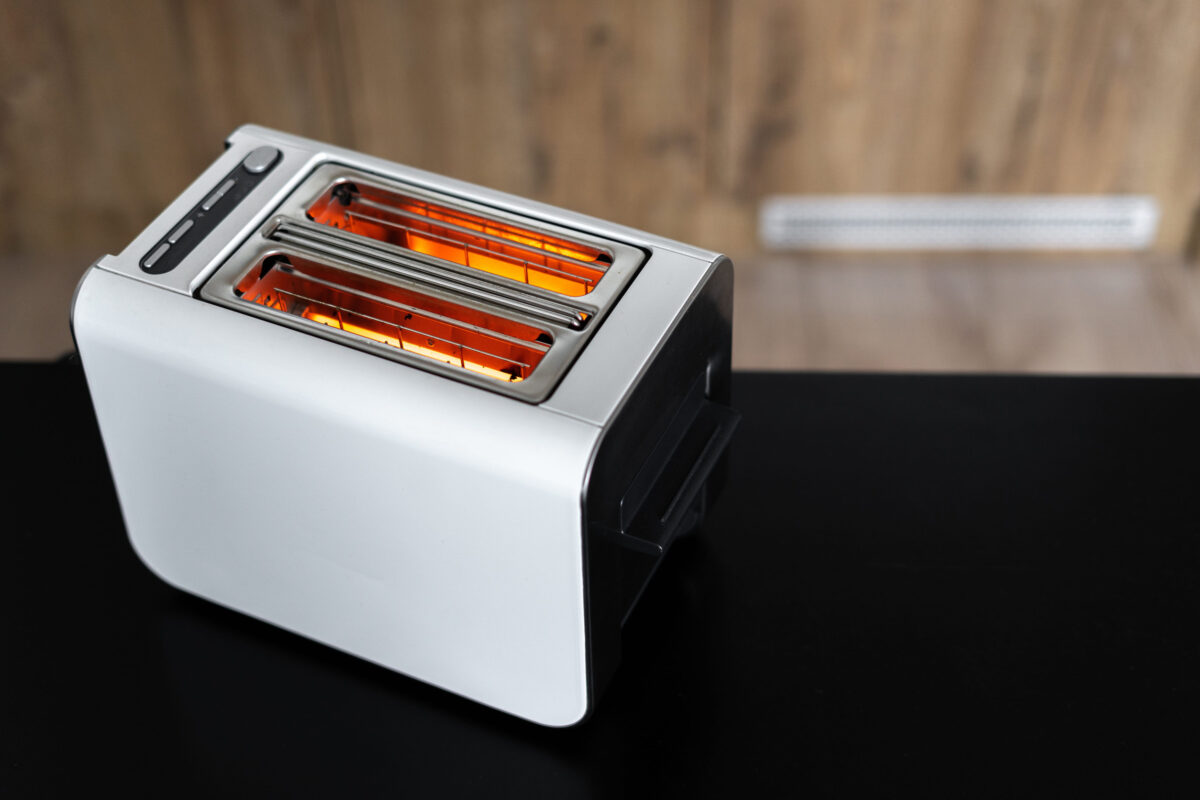
Here is where things get interesting. Most people assume that once a toaster pops up, the heating elements are completely disconnected from power.
That is how a properly functioning toaster is supposed to operate. Unfortunately, some defective models have demonstrated otherwise.
In December 2011, the U.S. Consumer Product Safety Commission announced a recall of approximately 14,000 Hamilton Beach toasters, model 22602. The problem? Their heating elements could activate when the toaster was plugged in, even with the bread lifter in the off position.
The company received five reports of unexpected heating, although no injuries or property damage were reported.
An earlier Proctor-Silex recall in April 2000 involved approximately 95,000 toasters whose heating elements could remain on after the bread popped up. Three reported food fires damaged kitchen cabinets.
These recalls do not mean every toaster has the same defect. They do show why unplugging offers an additional layer of protection.
One Apartment Fire Shows Why Firefighters Take This Seriously
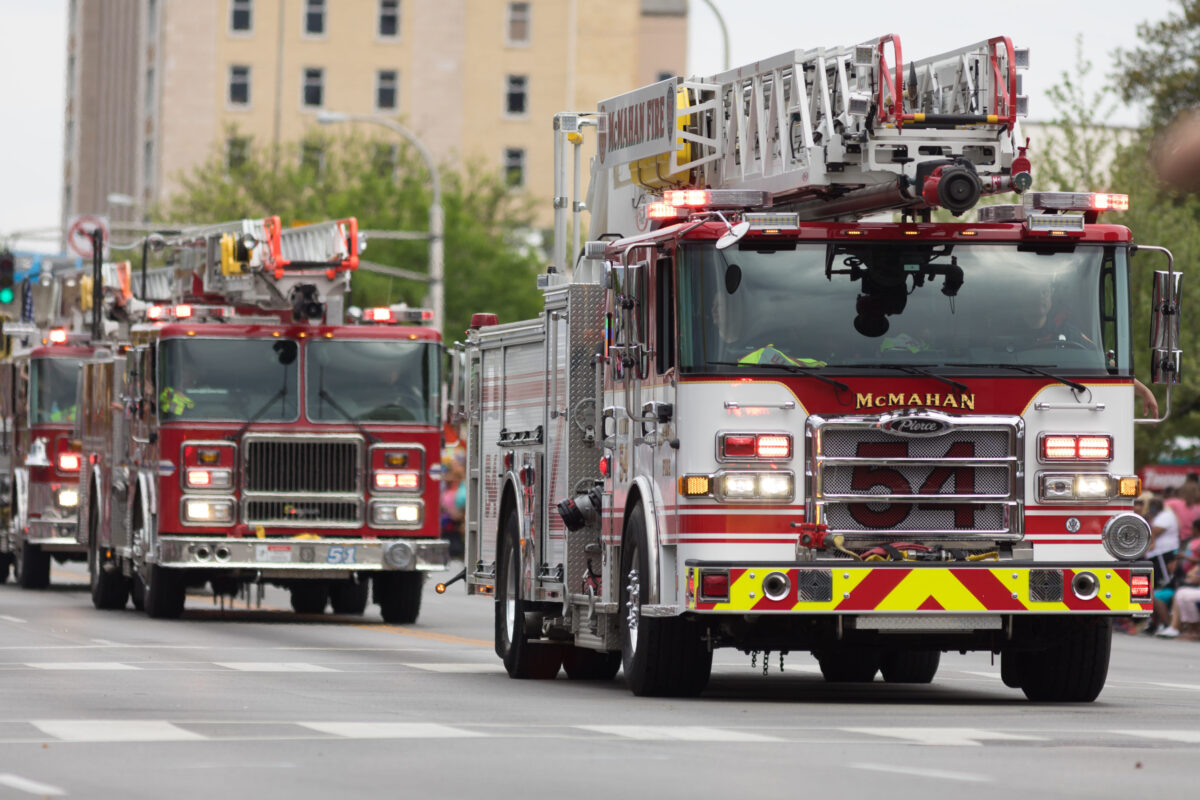
In August 2016, firefighters responded to an apartment fire in Springfield, Missouri, that left approximately $6,000 in damage.
According to reporting by KSMU, investigators suspected a toaster that had reportedly been plugged in but unused for several days. Officials identified it as the only heat source in the area where the fire appeared to begin.
The occupant suffered minor heat inhalation, and dozens of residents were temporarily displaced during the emergency.
Springfield Fire Marshal Mark Epps subsequently encouraged residents to unplug their toasters when they were not using them.
The exact electrical failure was not conclusively established in the available reporting. Still, the incident offers a reminder that an unused appliance is not necessarily beyond suspicion when investigators examine a kitchen fire.
Crumbs, Clutter, and Damaged Cords Make Things Worse
Of course, simply unplugging a toaster is not the whole story.
Take a look inside yours. See those crumbs sitting at the bottom? They might seem like nothing more than a cleaning annoyance, but accumulated food debris can become a fire hazard when exposed to enough heat.
Toaster manufacturer Dualit recommends regularly emptying the crumb tray and keeping appliances away from combustible materials.
That means kitchen towels, curtains, packaging, and other clutter should not be sitting against appliances that generate heat.
Electrical cords deserve attention, too. A frayed cord, damaged plug, or loose outlet connection can create trouble. The U.S. Fire Administration recommends replacing damaged cords, avoiding overloaded outlets, and plugging small appliances directly into wall outlets.
And if your toaster starts making unusual noises, produces a burning smell, or develops sticking controls, stop using it. Simply unplugging a defective appliance overnight does not make it safe for tomorrow’s breakfast.
What About Air Fryers and Coffee Makers?
Your toaster is not the only countertop appliance worth checking.
Air fryers have become kitchen favorites because they make preparing everything from crispy potatoes to reheated leftovers convenient. However, they also generate substantial heat and require proper ventilation.
In February 2023, approximately two million Cosori air fryers were recalled in the United States because an internal wire connection could overheat. The recall involved 205 reports covering problems such as burning, melting, smoking, overheating, and fires.
That does not mean two million air fryers caught fire or that these incidents occurred while the appliances were switched off.
The National Fire Protection Association recommends unplugging electrical cooking appliances when they are not in use. Its guidance also emphasizes cleaning grease and food debris from air fryers after use.
Coffee makers, electric kettles, and toaster ovens deserve similar attention, according to the guidance applicable to those appliances.
Make Unplugging Part of Your Kitchen Routine
The good news? Improving this particular kitchen habit takes very little effort.
Once you finish using your toaster, switch it off as instructed and unplug it. Let it cool before cleaning or putting it away.
Do the same with other small countertop appliances when they are not needed, while following their individual operating instructions.
Before heading to bed, take a quick look around the kitchen. Check for appliances left connected unnecessarily, damaged cords, and towels or other items resting too close to heating equipment.
There are exceptions. Refrigerators and freezers are designed to remain powered, and some appliances have manufacturer-approved operating schedules or functions. Your smoke alarms should also remain operational.
And remember to check the Consumer Product Safety Commission’s recall notices if you suspect an appliance has a manufacturing defect. Matching the exact model number matters.
One Small Habit That Makes Sense
Nobody wants to turn their bedtime routine into a lengthy kitchen inspection. Fortunately, you do not have to.
Unplugging your toaster after breakfast takes seconds. Checking unused countertop appliances before bed is simply another opportunity to catch something you may have forgotten.
It will not eliminate every possible kitchen fire hazard, and there is no verified national ranking that makes the toaster the single most dangerous appliance to leave plugged in overnight.
But it is a straightforward precaution supported by fire safety guidance. Sometimes, making your home safer starts with something as simple as pulling a plug.