10 Overlooked Jobs With Paychecks Worth a Second Look
A job title can impress people before they know what the work involves. The reverse happens, too. Mention plumbing, garbage collection, or pest control, and somebody may overlook the expertise because they cannot get past the mess.
That is a poor way to judge a career. These occupations require practical skills and responsibility and offer earning opportunities, though none promises an easy paycheck.
The figures below are U.S. Bureau of Labor Statistics annual wages for May 2025. A median means half earned more and half earned less; it is not starting pay. Some entries fall below the $50,980 median for all occupations. Location, experience, and qualifications matter, and these figures exclude self-employed owners.
Plumbers
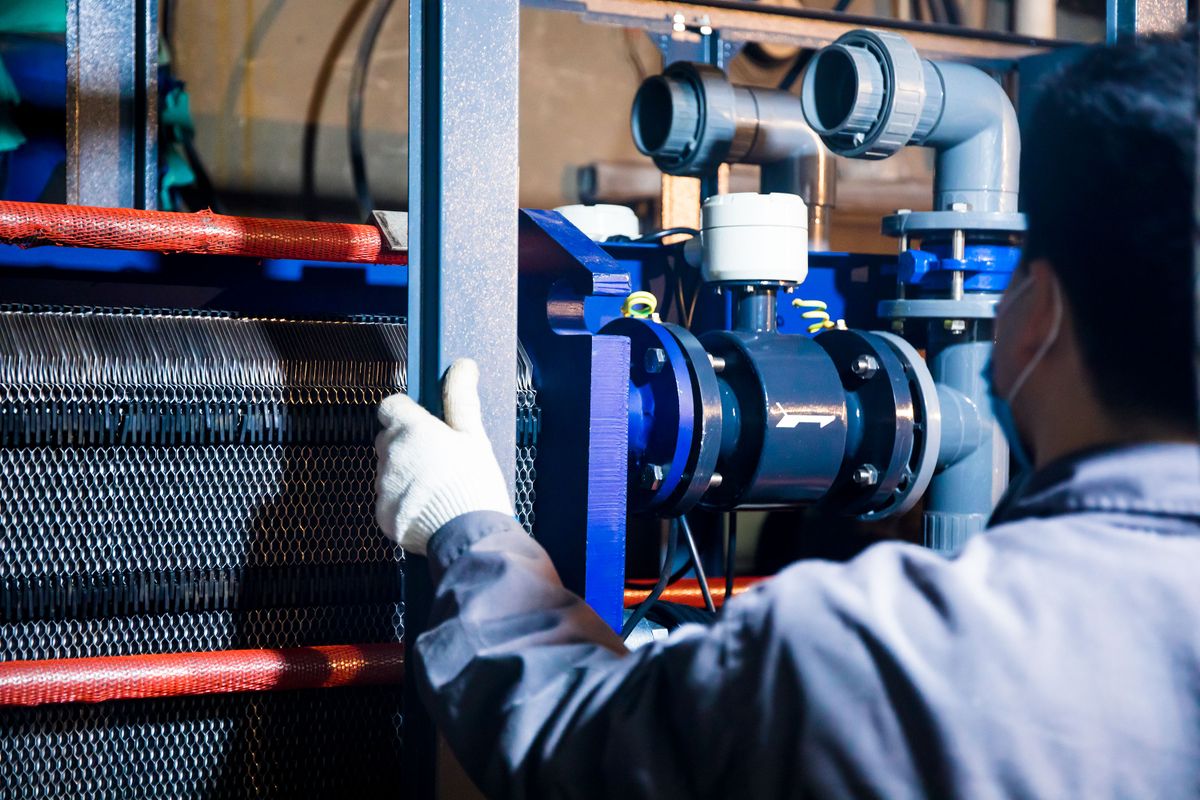
People remember the blocked toilet. They may think less about the diagnosis, pipework, blueprint reading, and code knowledge behind the repair.
Plumbers, pipefitters, and steamfitters had a combined median wage of $63,800, with the highest-paid 10% earning above $108,420. Most learn through apprenticeships, and most states require plumbers to hold licenses. Apprentices earn less while training.
Emergency calls and cramped spaces are genuine drawbacks. Still, solving a difficult problem offers satisfaction that a cleaner job title cannot guarantee.
Sanitation Workers
Garbage collection becomes noticeable when it interrupts traffic or leaves an unpleasant smell. Completing a collection route requires coordination, equipment knowledge, and attention around moving vehicles.
Refuse and recyclable material collectors earn a median of $49,690, slightly below the national benchmark. That makes sweeping claims about huge salaries misleading. Training generally happens on the job, while certain truck-driving duties require a commercial driver’s license.
For someone who prefers active work, it’s worth considering. Lifting and demanding conditions deserve equal attention.
Pest Control Technicians
Finding pests is only the beginning. Technicians inspect buildings, identify the problem, choose treatments, and explain the plan to customers.
The median wage was $45,250, while the highest-paid 10% earned above $61,890 A high school diploma and workplace training are typical, and state laws require licensing.
This occupation is not high-paying everywhere. Its appeal includes an accessible training route and opportunities to develop expertise. Someone considering it should be comfortable with awkward spaces, customer conversations, and following treatment instructions precisely, even under pressure.
Funeral Directors
Discomfort with death can overshadow the judgment required in funeral work. Families need someone who can explain arrangements, coordinate details, and handle legal requirements with tact.
Morticians, undertakers, and funeral arrangers earn a median of $55,010. Funeral home managers, a separate category, had a median of $78,790.
Entry typically involves an associate degree, supervised training, and applicable licensing. The work can feel meaningful, but irregular hours and emotional demands matter. A higher management salary should not be presented as a newcomer’s likely paycheck.
Welders
Welding may look straightforward from across a workshop. Producing a sound joint requires measurement, material knowledge, controlled technique, and attention to specifications.
Welders, cutters, solderers, and brazers earn a combined median of $53,750. The highest-paid 10% earned above $77,530. Technical education and workplace training are common, and employers may request particular certifications.
The appeal is making or repairing something tangible. Better earnings depend on the industry and skills involved. Heat, protective equipment, and awkward working positions also factor in.
Heavy Truck Drivers
Handling a tractor-trailer involves cargo checks, inspections, route restrictions, and maneuvering a large vehicle through changing conditions.
Heavy and tractor-trailer truck drivers earn a median of $58,640; the highest-paid 10% earn more than $79,380. Drivers need a commercial driver’s license, and professional driving school is a common entry route.
The work can appeal to people who enjoy driving and independence. Long-haul schedules may mean extended time away from home. Owner-operator revenue also needs careful interpretation: business income before expenses is not the same as personal earnings.
Rotary Drill Operators: Machinery, Monitoring, and Teamwork
The roughneck image leaves out the technical side of running drilling equipment. Rotary drill operators monitor operations, maintain machinery, and direct other crew members.
Their median wage was $67,890, distinct from the broader oil-and-gas-worker category. Related experience is commonly needed, followed by workplace learning.
Mechanically minded workers may find the equipment and teamwork appealing. Remote assignments, demanding shifts, and time away can complicate the picture. So can an industry affected by changing energy markets. The pay deserves attention alongside the schedule.
Wastewater Operators
Operators monitor treatment processes, test samples, maintain equipment, and document compliance.
The combined water and wastewater treatment operator category earned a median of $60,020. Training typically includes extensive workplace learning and usually a state license.
Rotating shifts and unpleasant conditions are trade-offs for a role combining mechanical troubleshooting with environmental service.
Boilermakers
Boilermakers assemble and repair boilers, tanks, and pressure vessels. Their median wage was $76,410. A four-year apprenticeship is typical.
Travel and physically demanding assignments can accompany the work, while overtime-heavy contracts may alternate with periods without employment.
Diesel Mechanics
Diesel technicians troubleshoot engines, brakes, transmissions, and electrical systems, often using computerized equipment.
Their median wage was $61,770. Extensive workplace training is common, although employers may prefer postsecondary programs. Heavy components and evening shifts are practical considerations.
A worthwhile career deserves evaluation by its work, training, conditions, and actual earnings. Appearances tell only a fraction of that story.