11 States Where Women May Face the Toughest Everyday Reality in 2026
A state ranking can look like a simple list until people start seeing their own lives inside it. For millions of American women, the real question is not whether their state sounds good on paper. It is whether the place they live helps them stay healthy, safe, employed, insured, and financially stable.
A 2026 WalletHub ranking, reported by Becker’s Hospital Review, compared every state and Washington, D.C., across key measures tied to women’s health, safety, work, income, and quality of life. The result may sting for residents in several states where the numbers suggest women could face steeper everyday challenges.
This does not mean every woman in these states is struggling, nor that every woman in higher-ranked states is thriving. But rankings like this can reveal a harder truth: where a woman lives may shape how difficult it feels to get ahead, stay protected, and build a secure life.
Louisiana
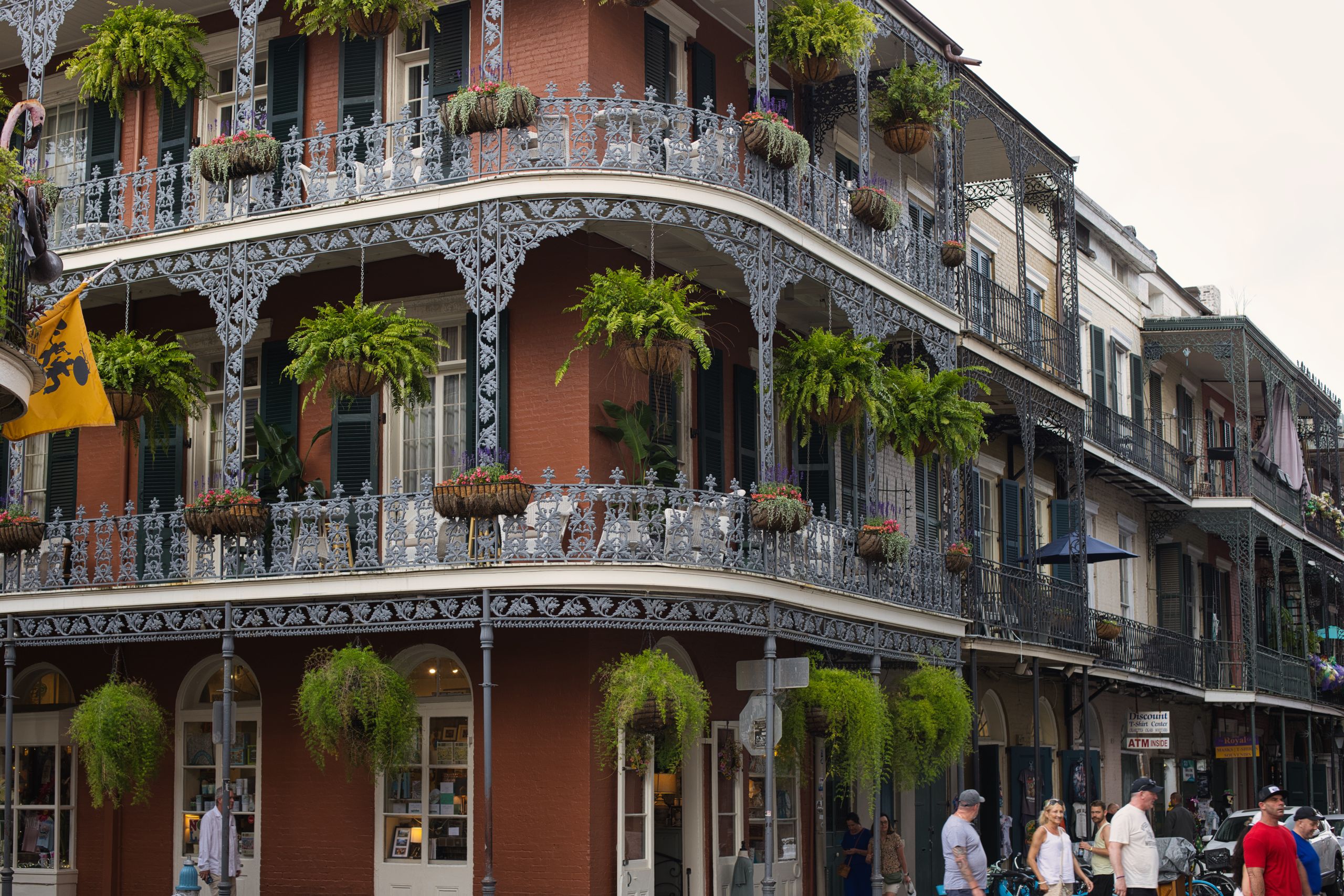
Louisiana landed at the bottom of the 2026 ranking, and that alone may spark frustration for many residents. The state has a deep culture, family pride, food, music, and community strength, but the ranking suggests that women may still face serious hurdles in everyday life.
For women juggling work, caregiving, healthcare, and household bills, poor rankings are not abstract. They can show up as access-to-care issues, income pressure, safety concerns, and fewer paths to economic security. The uncomfortable part is that pride in a state does not erase the problems women may still be carrying.
Oklahoma
Oklahoma ranked near the bottom, raising questions about how well the state supports women across health, safety, and economic measures. For many working women, especially those outside major metros, the challenge may not be one single issue. It can be the pileup of wages, insurance, healthcare access, childcare pressure, and job stability.
That is what makes these rankings feel personal. A woman does not experience her state as a spreadsheet. She experiences it through the cost of a doctor’s visit, the distance to care, the job options nearby, and whether her paycheck stretches far enough.
Arkansas
Arkansas also appeared among the lowest-ranked states for women in the 2026 report. That may feel painful for people who know the state for its natural beauty, small towns, and tight communities. But the ranking suggests women there may face tougher conditions than women in many other states.
The concern is not about insulting Arkansas. It is about asking why women in some states appear to have fewer advantages in safety, health, and financial opportunity. For families, that can affect more than one person. When women struggle, households often feel it.
Texas
Texas may surprise some readers, as it is one of America’s largest economic engines. It has booming cities, major employers, universities, hospitals, and constant migration. Yet the WalletHub ranking placed Texas near the bottom overall for women.
That contrast may be exactly why Texas will trigger debate. A state can grow fast and still leave many women feeling squeezed. For women facing healthcare access challenges, insurance gaps, pay pressures, commuting costs, or family responsibilities, a strong state economy does not always translate into an easier daily life.
West Virginia
West Virginia ranked near the bottom and also scored poorly in health-related measures in the source ranking. That may not shock residents who have watched rural healthcare, poverty, aging populations, and job access shape daily life across the state.
The emotional weight here is real. Many women in West Virginia are caregivers, workers, mothers, daughters, and household anchors. When a state ranks low, it can reflect the strain those women may already feel quietly, long before a national list puts numbers around it
Wyoming
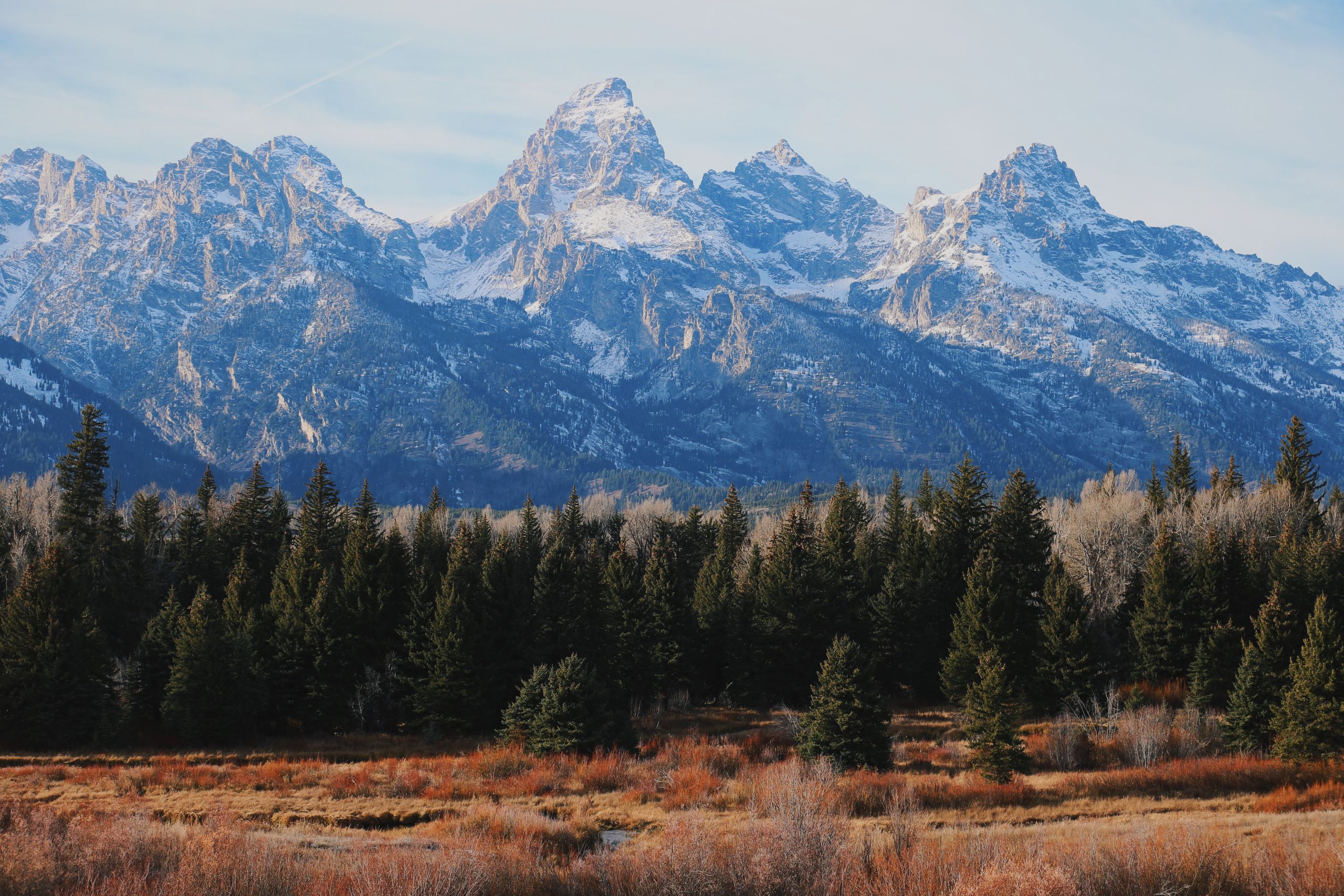
Wyoming’s low ranking may stand out because the state is often associated with space, independence, and a rugged quality of life. But wide-open geography can also pose challenges, especially when healthcare access, employment opportunities, and support services are dispersed.
For women in rural areas, distance can become a real barrier. A job opportunity, specialist appointment, childcare option, or safety resource may not be close by. That does not mean every woman in Wyoming faces the same struggle, but it may help explain why rural realities matter in rankings like this.
Alabama
Alabama ranked near the bottom, which may raise concerns for women already facing the strain of limited access, lower wages, or weaker support systems in parts of the state. Rankings like this can be especially frustrating because they point to problems many residents may already recognize.
Still, the story should be handled carefully. Alabama is full of hardworking women, strong families, and communities that support one another. The issue is whether state-level conditions give women enough room to thrive without constantly fighting uphill.
Utah
Utah sat just above the bottom 10 in WalletHub’s ranking, making it worth watching. The state has a strong economy in many respects, but the ranking suggests women may still face gaps that affect their everyday lives.
That contrast may frustrate readers. If a state is doing well on growth, business, or population appeal, people may expect women to benefit equally. But rankings like this suggest the story can be more complicated. Economic strength does not always erase concerns tied to women’s income, representation, healthcare, or safety.
Idaho
Idaho ranked just inside the bottom 10, which may surprise people who see the state mainly through the lens of population growth, outdoor beauty, and migration. But a fast-growing state can still leave women facing serious economic or social pressure.
Housing costs, wages, healthcare access, and job opportunities do not always move in the same direction. A state can become more popular while some residents feel less secure. For women trying to build a stable life, that tension can become hard to ignore.
South Carolina
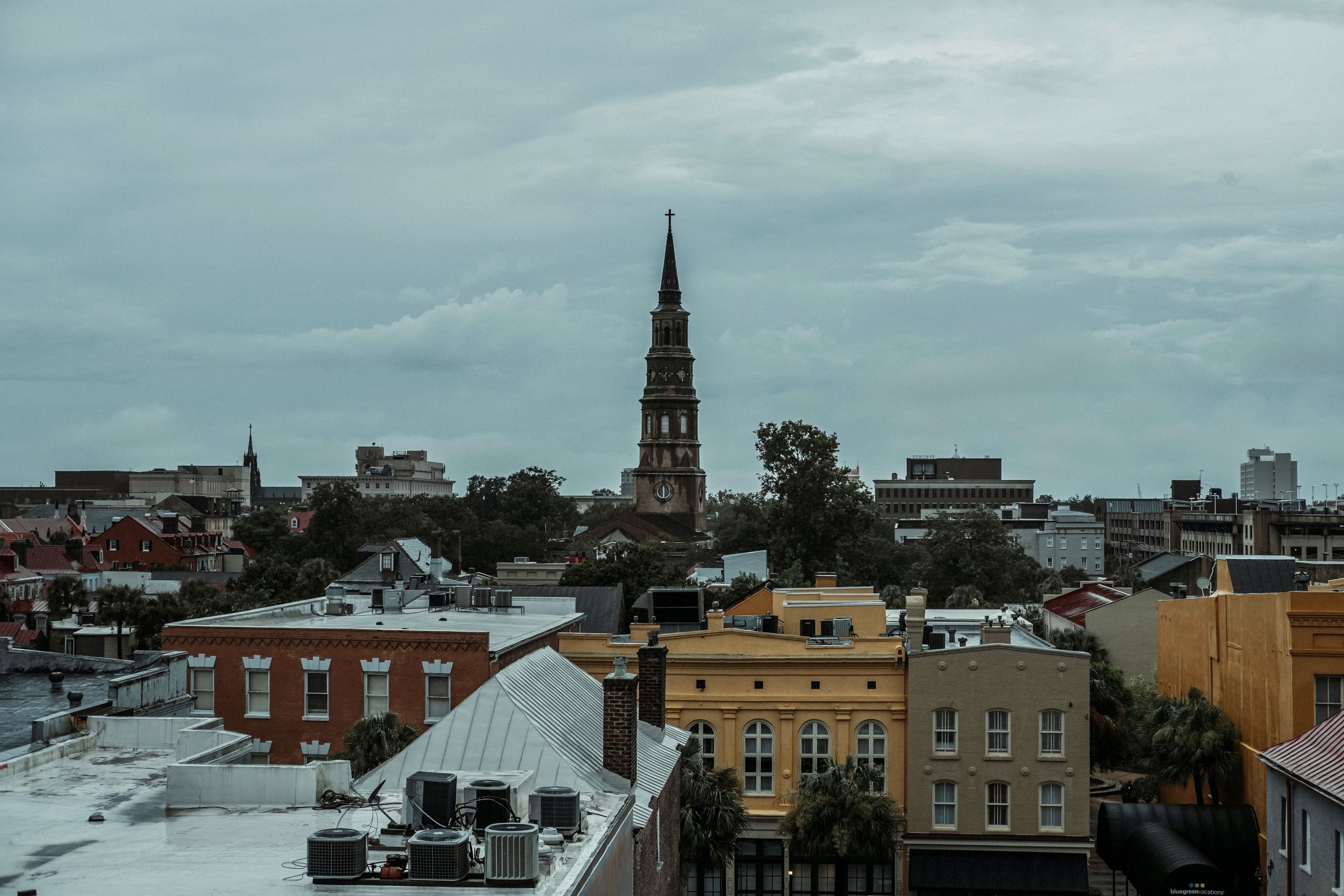
South Carolina appeared in the lower tier, which could concern women watching the state grow quickly. New residents, tourism, business development, and rising costs can change a state fast. But growth does not automatically mean women feel more secure.
For many American women, the basic question is simple: can I afford to live here, stay healthy here, work here, and feel safe here? If a state is expanding but women still face economic or healthcare pressure, the benefits of growth may not feel evenly shared.
Mississippi
Mississippi was also among the lowest-ranked states for women, suggesting the state may face serious challenges in health, safety, and economic well-being. For women living paycheck to paycheck, those categories are not separate. They are connected.
A lower income can affect healthcare choices. Limited healthcare can affect work. Safety concerns can affect freedom and opportunity. That chain reaction is why rankings like this matter. They show how one weak area can make life harder in another.
The Ranking Is Really About Daily Life
The sharpest part of this list is not that some states ranked low. It is what those rankings may represent for ordinary American women who are trying to work, raise families, stay healthy, stay safe, and build a life without constantly fighting uphill.
A lower score can point to the daily friction of earning less, paying more, traveling farther for care, feeling less protected, or carrying more responsibility with fewer supports. For many women, those struggles do not show up as one dramatic moment. They show up in the doctor appointment delayed, the paycheck stretched thin, the job opportunity missed, and the quiet exhaustion nobody sees.
That is why the ranking matters beyond state pride. People can love where they live and still expect better conditions for women trying to survive and succeed there. Defending a state should not mean ignoring the numbers when those numbers suggest women may be facing harder conditions than they should.
If a state can proudly promote growth, jobs, tourism, family values, and opportunity, it should also be willing to face a harder measure of success: whether women can actually live, work, stay healthy, feel safe, and build a future there without being pushed to the edge.