Why Oil Prices Aren’t Skyrocketing Despite Iran Conflict: China’s Quiet Role Keeps Markets Calm
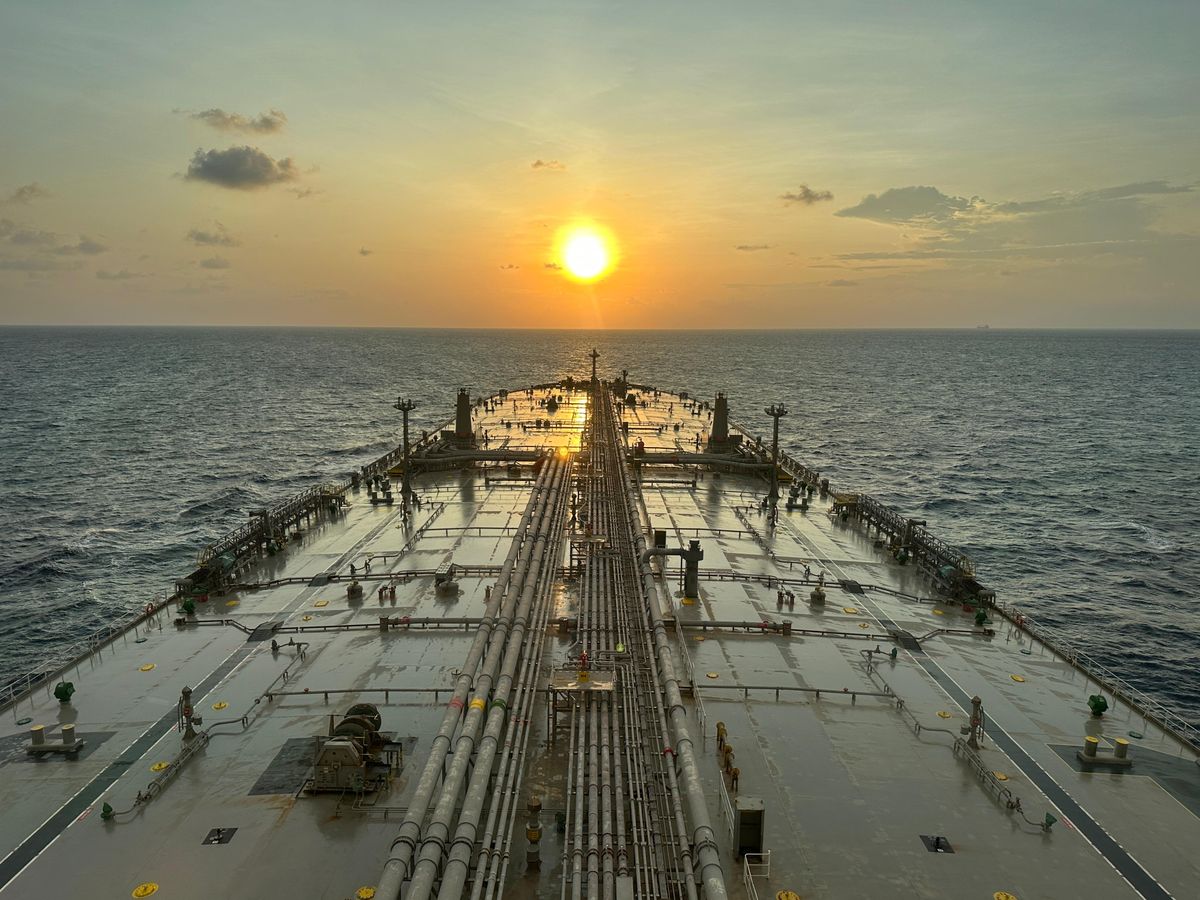
As tensions flare in the Middle East, many expected global oil prices to surge past $200 a barrel. More than three months into the Iran conflict, prices remain surprisingly steady, hovering around $94 a barrel, according to JPMorgan analysts and Reuters reporting in June 2026 . One stabilizing force behind this unexpected calm is China’s careful management of imports and strategic reserves. While the Strait of Hormuz , a vital route for 20% of global oil supply, faces disruptions, Beijing’s interventions have kept energy markets steadier than anticipated, showing how geopolitics and national strategy intersect to shape global markets.
This balance highlights the fragility of energy systems, the influence of superpowers, and how geopolitical conflicts ripple into everyday costs for U.S. consumers. Understanding these dynamics provides a clearer view of why prices remain moderate and what risks lie ahead.
China’s Steady Hand Amidst Turmoil
China has quietly reduced oil imports from approximately 11 million barrels per day to 7.8 million barrels per day in May, its lowest level in nearly a decade. This reduction has accounted for roughly 74% of the global decline in crude supply caused by disruptions in the Strait of Hormuz. By relying on its 1.4 billion-barrel strategic reserve, China has cushioned the market, preventing dramatic spikes that many predicted.
This demonstrates that major consumers can wield as much influence as producers, and that global markets increasingly respond to strategic national decisions rather than simply reacting to geopolitical crises. China’s measured approach shows the role of planning and reserve management in maintaining market stability.
The Strait of Hormuz: Fragile Artery of Global Oil
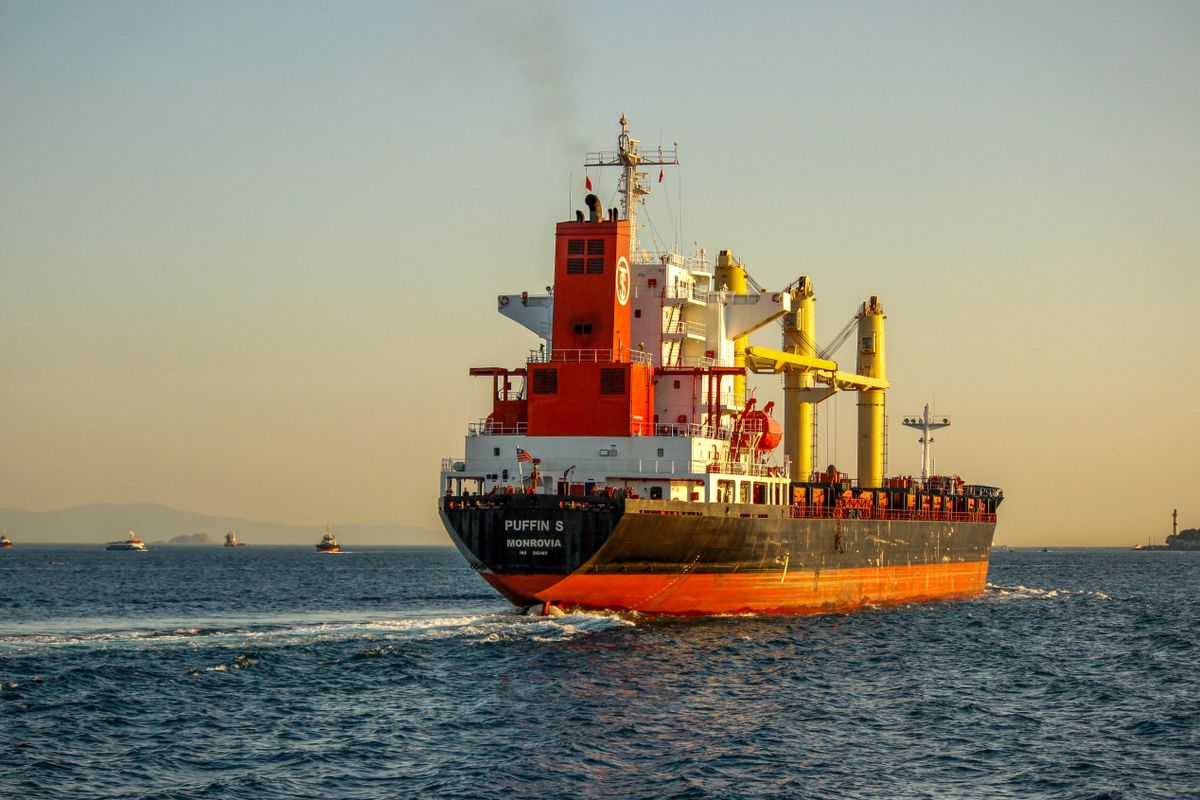
The Strait of Hormuz remains one of the world’s most critical chokepoints. A full closure could create unprecedented disruption. Yet current observations indicate more ships are passing than initially feared, allowing partial trade continuity. Even with a 14% reduction in supply due to regional disruptions, prices have only moderately increased, highlighting both the resilience and vulnerability of the global energy network.
This underscores the sensitive balance of global supply chains, where relatively small adjustments by a single nation can offset potential crises and influence prices worldwide.
U.S. Energy Policy: Cushioning the Shock
The United States plays a complementary role in stabilizing oil markets. By maintaining emergency reserves and strategically exporting crude, the U.S. has offset some supply shocks. However, stocks are at historically low levels, leaving a limited buffer if the conflict with Iran intensifies.
For American consumers, this raises an important question: how long can current reserves protect prices from sudden geopolitical disruptions? While the immediate crisis has been mitigated, long-term vulnerabilities persist, particularly if global supply chains are stressed further.
Structural Pressures Could Tip the Balance
Even with China and the U.S. keeping markets calm, analysts warn that structural pressures could push prices higher. The limited pace of new production, the need to replenish strategic reserves, and the high cost of incremental oil extraction create potential vulnerabilities.
A prolonged conflict, an unexpected disruption in the Strait of Hormuz, or other geopolitical shocks could quickly undo the temporary stability. These pressures highlight how global oil markets, while resilient, remain highly sensitive to both planning and unforeseen events.
Consumer Implications: When Stability Is Temporary
For U.S. households, oil price fluctuations directly affect gas, transportation, and food costs. A spike in crude could quickly ripple into everyday expenses. Observing China’s restraint and U.S. export strategy shows that immediate crises may be avoided, but long-term volatility remains a real risk.
Even moderate price increases can compound over time, affecting logistics, inflation, and consumer budgets. Being aware of the forces shaping global oil markets helps households understand potential future shifts in energy costs.
Geopolitical Leverage: Who Holds the Market Power?
This scenario reveals how energy security is increasingly dictated by major economies. China’s strategic reserves and import decisions have a market-shaping influence rarely acknowledged in public discourse. Meanwhile, U.S. policymakers must balance domestic energy requirements with international strategic positioning.
The interplay of these forces not only impacts prices but also determines geopolitical leverage, influencing negotiations, alliances, and regional stability.
Lessons for Policymakers and Markets
Current market stability offers lessons for both policymakers and investors. Strategic planning, reserve management, and careful export decisions can mitigate the worst effects of supply disruptions. However, this stability is delicate, contingent on continued restraint and coordination by key players.
For policymakers, the case underscores the importance of a long-term energy strategy. For markets and consumers, it is a reminder that surface calm can conceal deeper vulnerabilities, and understanding the undercurrents of global energy policy is crucial for anticipating future changes.
The Takeaway: Watch the Quiet Movers
While headlines focus on rising tensions in the Middle East, the quiet, deliberate actions of nations like China and the U.S.’s strategic interventions have prevented an immediate energy crisis. Markets can remain deceptively stable even amid threats that could disrupt supply, underscoring the importance of careful observation of strategic decisions rather than of reactive headlines.
Oil markets may appear calm, but beneath the surface lies a delicate balance shaped by geopolitics, strategic reserves, and superpower decisions. How long can this equilibrium hold? Observing China’s calculated approach alongside U.S. interventions shows that energy security is as much about strategy and planning as it is about conflict, with consequences that touch every consumer’s wallet.