10 Celebrities With Surprising College Degrees
Most of us know celebrities from red carpets and big events, not from their time in libraries. We notice their awards, blockbuster movies, packed stadiums, magazine covers, and viral moments long before we think about their schoolwork or degrees.
That’s why it’s so interesting to learn about celebrities’ college degrees. Many famous entertainers have academic backgrounds that seem like completely different lives. Some even studied neuroscience before playing scientists on TV.
Some rappers studied communications before turning lyrics into cultural essays. Some actors trained in English literature, public administration, law, mathematics, public health, history, education, and criminology before fame gave them a louder stage.
The real story is not simply that famous people went to college. The more interesting story is how their education shaped the work we later recognized.
Their degrees reveal discipline, curiosity, survival instinct, and in some cases, a career they might have pursued if Hollywood, music, sports, or television had not pulled them in another direction.
Natalie Portman

Natalie Portman entered Harvard already famous, which made her academic life unusually public. She had been in major films before college, and the release of “Star Wars” placed her under an even brighter spotlight.
For many students, college is a place to find identity. For Portman, it was also a place to prove that fame did not define the limits of her mind.
She earned an A.B. in psychology from Harvard. That field makes sense when we look at her career.
Portman has often gravitated toward characters under pressure, characters who are divided between public performance and private collapse, characters who must manage fear, ambition, discipline, and identity.
Her education also became part of the larger conversation about actresses who are underestimated because they are young, beautiful, or commercially successful.
Portman’s Harvard years pushed against the lazy assumption that an actor’s public image tells the whole story. She did not have to choose between being serious and being famous. She made the tension part of her story.
Danica McKellar
Danica McKellar became famous as Winnie Cooper on “The Wonder Years,” but her post-child-star path took a sharp academic turn.
She studied mathematics at UCLA and graduated with distinction. That alone would be enough to surprise many fans, but McKellar went further by becoming a public advocate for math education.
Her background in mathematics matters because it challenges one of the oldest entertainment stereotypes: that child actors are locked into fame before they have time to become anything else.
McKellar did not simply move from one nostalgic role to another. She built a second identity around math, writing, and education.
Her career also shows how a celebrity can use fame as a bridge instead of a cage. She used her public recognition to make mathematics feel less intimidating, especially for young students who might see the subject as cold or unreachable.
Her story is not just about a surprising degree. It is about turning academic confidence into a public mission.
Shaquille O’Neal

Shaquille O’Neal’s education story surprises people because his basketball career was already larger than life.
Four NBA championships, global recognition, business ventures, broadcasting, endorsements, and pop culture fame would have been enough for most people. Yet Shaq returned to higher education and earned a doctoral degree after his playing career.
His academic path gave him another kind of credibility. It showed that retirement did not mean drifting away from discipline. It also helped explain why Shaq’s post-NBA career has been so broad.
He has moved through media, business, branding, leadership, and public speaking with the confidence of someone who studies systems, not just spotlight moments.
The most interesting part of Shaq’s degree is that it fits his public persona better than it might at first appear. His career has always mixed humor, authority, physical dominance, and crowd control.
Studying leadership after living inside elite sports culture gives his academic work a practical edge. He did not study leadership from a distance. He had already spent decades inside high-pressure teams, locker rooms, media rooms, and business rooms.
Ashley Judd

Ashley Judd’s academic record is especially interesting because it connects directly to her activism. She studied French at the University of Kentucky and later earned a Master of Public Administration from Harvard Kennedy School. That is not a decorative degree. Public administration deals with governance, institutions, policy, and the way public decisions affect real lives.
Judd’s career has always existed in more than one lane. She has been an actress, speaker, advocate, writer, and public voice on gender violence and social justice. Her education helps explain why her public work often sounds more policy-focused than celebrity-focused.
For readers, Judd’s background is a reminder that celebrity advocacy is not always shallow branding. In her case, the academic path and the public mission are connected.
The classroom gave structure to issues she had already been discussing, and her fame gave them a wider audience.
Bradley Cooper
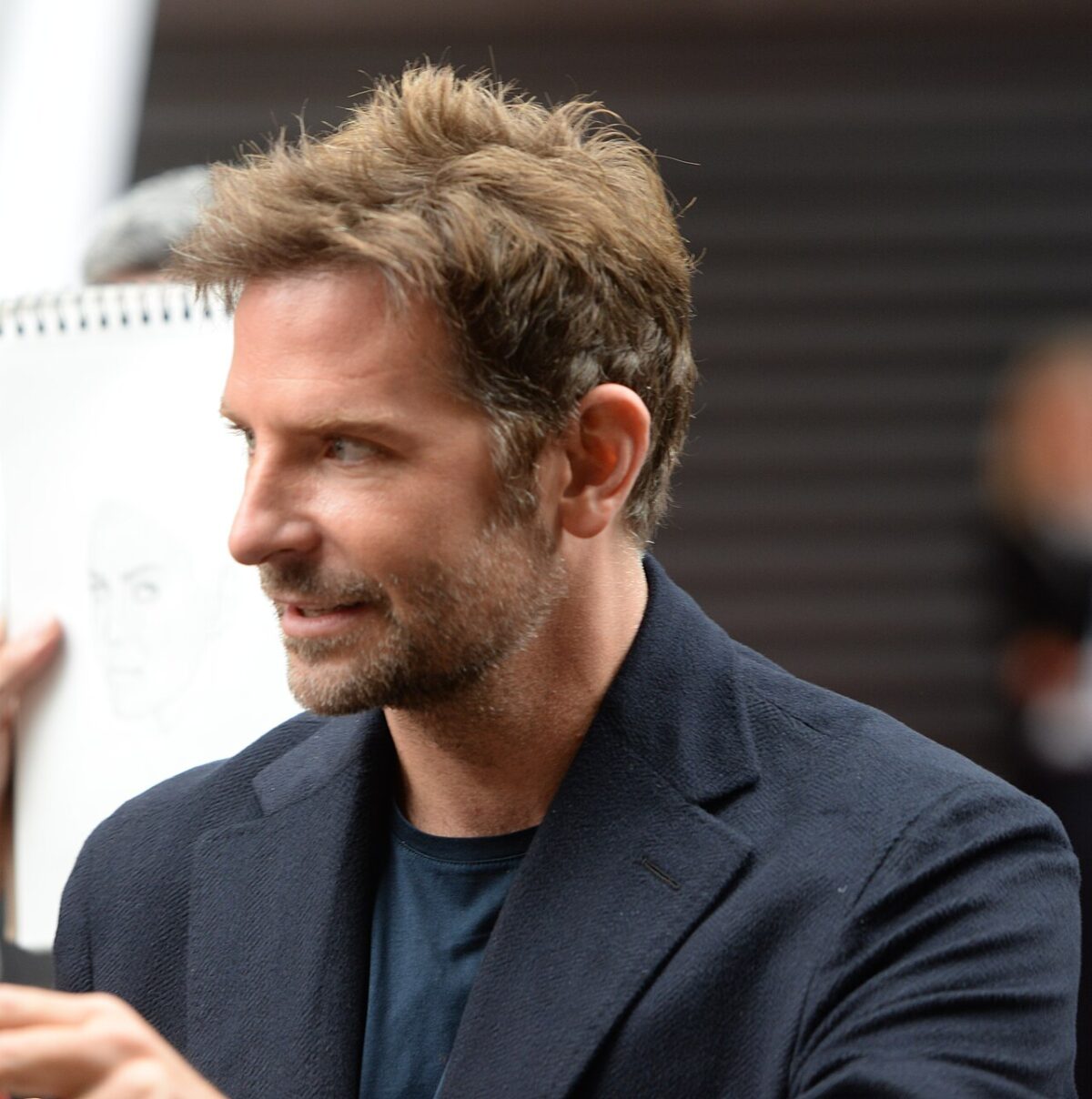
Bradley Cooper’s academic background is quieter than some of the science and law degrees on this list, but it is deeply connected to his career. He studied English at Georgetown University and also trained seriously in acting after graduation.
An English degree may not sound shocking at first, but it explains a great deal about Cooper’s artistic development. Actors who study literature spend years inside character, conflict, voice, motive, and structure.
They learn how stories carry meaning beneath the surface. That kind of training can make a performer more sensitive to silence, rhythm, and emotional detail.
Cooper’s later work as an actor, director, and producer makes his academic path feel even more relevant. His career has moved beyond being a recognizable leading man.
He has become a filmmaker interested in performance, ambition, identity, and artistic obsession. His literary background fits that evolution.
J. Cole
J. Cole’s academic background fits his artistic identity. He studied communications at St. John’s University and minored in business. He was known for taking school seriously while also pursuing music with the patience of someone building a long-term plan.
That combination matters. Communications is about messages, audiences, persuasion, clarity, and timing. Business adds strategy, ownership, and structure.
Those fields line up neatly with Cole’s career as an artist who often avoids celebrity excess and focuses on control, craft, and credibility.
His education does not explain his talent, but it helps explain his approach. Cole’s career has often felt deliberate rather than chaotic. He has built a loyal audience by sounding thoughtful, grounded, and self-aware. His college background adds context to that image.
Dwayne “The Rock” Johnson

Dwayne Johnson’s college background is tied to his football years at the University of Miami. He studied fields connected to the body, law, discipline, and human behavior before becoming a wrestler and then one of Hollywood’s biggest stars.
His education makes sense when we look at his career through the lens of physical performance and public control.
Johnson’s screen image is built around strength, stamina, authority, and charisma. Physiology connects to the body. Criminology connects to systems of order, conflict, and enforcement. Together, those interests seem almost tailor-made for the action roles he later dominated.
The Rock’s story also shows that a degree does not have to directly predict a career. He did not become a traditional criminologist or physiologist. Instead, the mindset behind those fields helped shape a career built on discipline, transformation, and physical storytelling.
Kourtney Kardashian
Kourtney Kardashian’s degree in theatre arts, with a minor in Spanish, may surprise people who mostly know her through reality television and lifestyle branding. Yet the theater background fits the entertainment world she entered.
Reality TV is not scripted in the traditional sense, but it still depends on timing, presence, scene awareness, conflict, and audience connection.
Kourtney’s education also complicates the idea that reality stars arrive from nowhere. Before the Kardashian brand became a media empire, she followed a more conventional college route.
Her degree suggests a person preparing for performance, communication, and public-facing work before fame took a very different shape.
That does not mean reality television is the same as stage acting. It does mean that performance training can appear in unexpected places. The skills of being watched, responding under pressure, and holding audience attention are useful across many forms of media.
Greg Graffin
Greg Graffin, lead singer of Bad Religion, brings one of the most unexpected academic profiles in music. He earned a PhD in zoology and has taught courses connected to science and evolution. That background gives his punk career a different kind of edge.
Bad Religion’s music has long been associated with ideas, skepticism, social criticism, and intellectual tension.
Graffin’s education helps explain why the band’s lyrics often feel more philosophical than purely rebellious. His academic work and his music both wrestle with belief, human behavior, nature, and meaning.
Graffin proves that intelligence and punk energy are not opposites. In his case, the classroom and the stage seem to feed each other. The result is a career that refuses the old stereotype that rock music must choose between raw emotion and serious thought.
J.K. Rowling
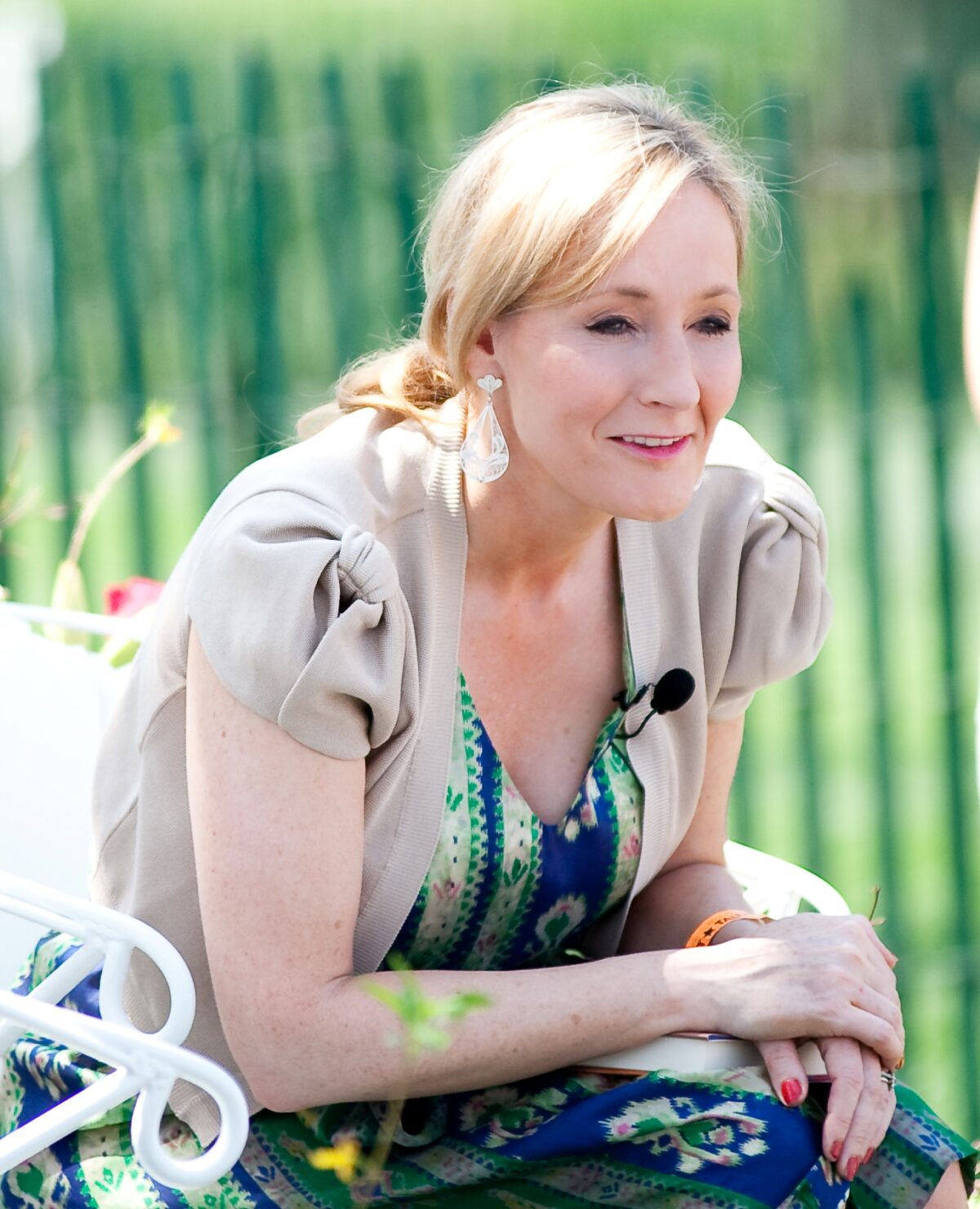
J.K. Rowling studied French and also engaged with classical studies. That background matters because the Harry Potter universe is full of language play, invented words, mythology, school culture, moral conflict, and old-world atmosphere.
A language degree can teach more than vocabulary. It trains the mind to hear sound, structure, history, translation, and cultural meaning.
Classics adds another layer, with its ancient myths, heroic patterns, and moral tests. Those influences can be felt throughout Rowling’s fiction.
Her education did not produce Harry Potter by itself, but it gave her tools. The names, spells, school houses, social hierarchies, and moral architecture of the series feel richer because they draw from traditions older than modern fantasy publishing.
What These Celebrity Degrees Reveal About Fame
The biggest lesson is that education does not always predict a career in a straight line. A mathematics degree can lead to acting, books, and advocacy. A law degree can feed comedy. A literature degree can lead to a career in film direction. A sports information degree can become satire. A public health education can turn a model into a global advocate.
We often treat celebrity careers as if they happen by luck, beauty, talent, or connection alone. Those factors can matter, but they do not explain everything.
Many of these stars had to manage deadlines, exams, auditions, performances, family expectations, money pressure, or public doubt. Their degrees show a side of celebrity life that is less glamorous but more revealing.
The deeper pattern is adaptability. These celebrities did not all use their degrees in the traditional way, but they carried their training into the work they eventually did.
They learned how to think, speak, observe, research, perform, argue, analyze, and persist. Those skills travel.
The Smarter Way to Read Celebrity Success
The most educated celebrities are not impressive solely because of their schools’ names. They are impressive because they refused to be one thing. They crossed from classroom to stage, from laboratory to sitcom, from courtrooms to comedy, from fashion to maternal health, from college football to Hollywood, from punk rock to evolutionary science.
Their academic records do not make them better than other artists. They make their stories more layered. We see how intelligence can hide inside humor, how discipline can hide inside glamour, and how serious study can survive even when fame arrives early.
Celebrity culture often sells simplicity. The degree tells us to look again.