10 Surprising Reasons PSG Still Cannot Keep the Champions League Trophy After Beating Arsenal
PSG gave their fans another night to remember after beating Arsenal in a dramatic Champions League final, but one detail still feels almost unfair. The club can lift the trophy, kiss it, parade it, and fill social media with golden celebration photos, yet the original trophy does not permanently belong to them. That famous silver cup, the one fans know for its giant handles, still goes back to UEFA.
It sounds strange because winning usually means keeping the prize. In the Champions League, the glory belongs to the club, but the original trophy belongs to UEFA. PSG still receives an official full-size winners’ trophy, so the achievement is not reduced. The rule simply shows how carefully UEFA protects the most famous symbol in European club football.
UEFA Owns The Original Trophy At All Times
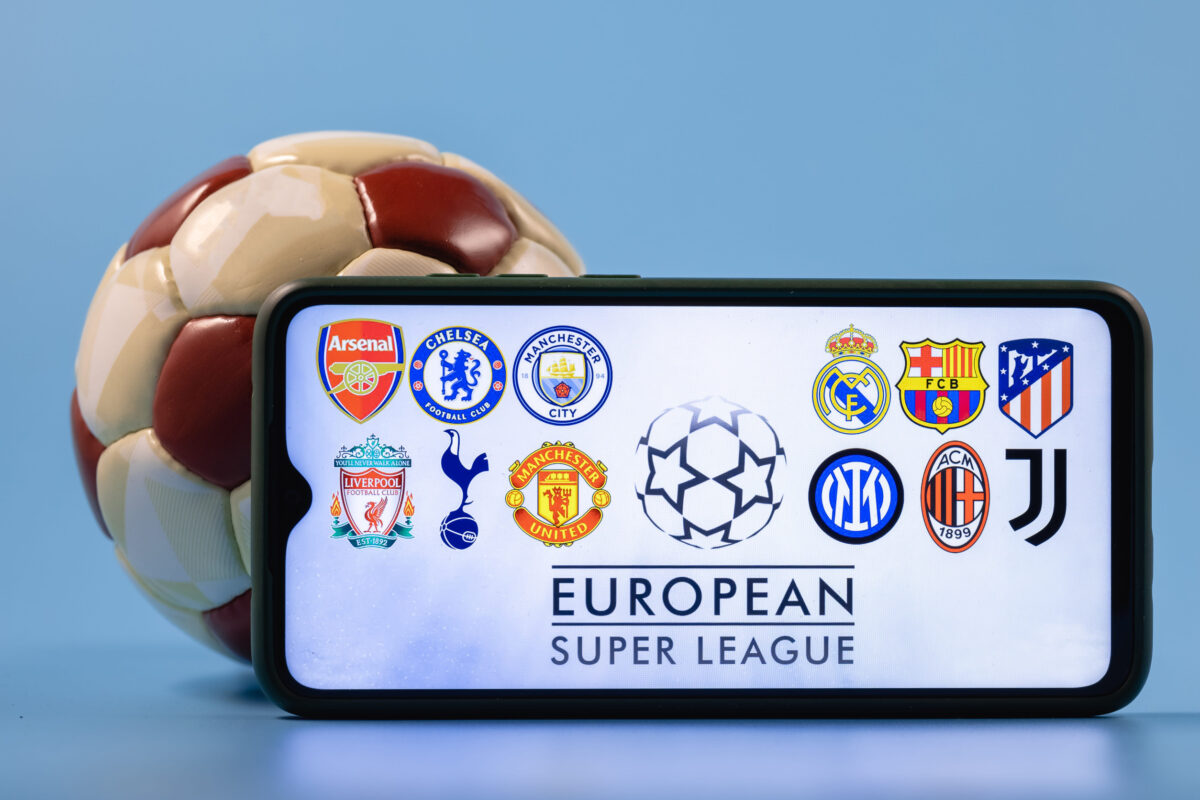
The biggest reason PSG cannot keep the original Champions League trophy is simple. UEFA owns it. The trophy used during the official presentation ceremony remains under UEFA’s keeping and ownership, even after a club wins the final.
That means PSG’s players can lift the real trophy on the night, but they do not take permanent ownership of it. The cup returns to UEFA after the ceremony and official events. PSG receives an official full-size replica, which becomes their permanent winners’ trophy. The title and the history are theirs, but the original silverware stays with the competition.
The Old Rule No Longer Works The Same Way
Some fans remember the old idea that clubs could keep the European Cup permanently after winning it five times overall or three times in a row. That rule helped build the mythology around clubs like Real Madrid, Ajax, Bayern Munich, AC Milan, and Liverpool. Those historic giants became closely linked with permanent trophy recognition.
Modern Champions League rules are different. Winning several titles now brings special recognition, but it does not mean a club automatically keeps the original trophy. UEFA changed the system so the official trophy remains with the organization. PSG can chase more titles and build a dynasty, but the current rule still keeps the original cup out of their permanent cabinet.
Beating Arsenal Does Not Change The Rule
PSG’s win over Arsenal was huge, emotional, and painful for the losing side. Arsenal came close to the glory they have chased for years, but PSG held their nerve and walked away as champions. That kind of victory naturally makes fans wonder if the club deserves to keep everything connected to the night.
The answer is still no. UEFA’s rule does not change based on the size of the match, the drama of the final, or the opponent involved. Arsenal would have faced the same rule if they had won. PSG’s win gives them the title, medals, prize money, prestige, and an official winners’ trophy, but not permanent ownership of the original cup.
PSG receives a full-size replica instead
PSG does not leave with a small souvenir or a symbolic token. They receive a full-size replica known as the UEFA Champions League winners’ trophy. It is official, prestigious, and made for the winning club to keep.
That replica can sit in PSG’s trophy cabinet as proof of their European triumph. Fans can still visit it, players can still pose with it, and the club can still celebrate it as part of its history. The only major difference is that the original trophy stays with UEFA. So PSG keeps the official memory, but UEFA keeps the original object.
The Rule Protects The Champions League Brand
The Champions League is one of the most valuable sports competitions in the world. Its trophy is part of that value. The famous shape, the silver shine, and the ceremony around it all help sell the drama of European football.
UEFA keeps strict control because the trophy’s image carries major commercial power. Clubs cannot use it in any random way that creates unauthorized sponsor links or commercial associations. Even replica trophies come with rules around use and visibility. PSG can celebrate, but UEFA still controls how the trophy brand is protected.
The Final Ceremony Is Still Completely Real
Some fans hear the word replica and think the celebration becomes less meaningful. That is not true. PSG still lifted the real Champions League trophy during the official ceremony, in front of fans, cameras, players, and the world.
The moment is authentic. The captain’s lift counts, the confetti counts, the medals count, and the celebration images count. What changes later is custody, not meaning. PSG’s players will always have that night, and supporters will always remember seeing their club at the top of Europe again.
Arsenal Would Have Faced The Same Limit

This rule is easy to misunderstand because the headline can sound like PSG were singled out. They were not. Arsenal would not have been allowed to keep the original trophy either if they had won the final.
That makes the rule less personal and more procedural. UEFA applies the same system to every Champions League winner. The winning club receives the official winners’ replica, and the original trophy remains with UEFA. The heartbreak for Arsenal is sporting, not administrative, because the same trophy rule would have followed either result.
Multiple Winners Get Badge Recognition Instead
Modern UEFA recognition focuses more on badges and official status than permanent trophy ownership. Clubs that reach major Champions League milestones can receive special recognition as multiple winners. That gives their shirts a visible sign of European greatness.
For PSG, that creates another long-term target. More Champions League wins could change how their badge, status, and reputation are seen across Europe. Yet even that kind of recognition does not hand them the original cup forever. It gives them elite symbolism, not trophy ownership.
PSG’s Legacy Comes From Winning, Not Owning The Cup
Football history does not remember clubs only because of where the physical trophy ends up. It remembers the goals, saves, penalties, tactics, nerves, and celebrations. PSG’s legacy grows because they beat Arsenal in a Champions League final, not because they got to keep the original cup.
That is why this rule should not make the victory feel smaller. PSG proved they could survive the pressure of a major final and finish the job. They added another European crown to the club’s modern story. The trophy goes back to UEFA, but the result stays in PSG’s record forever.
The Trophy Is Bigger Than One Club
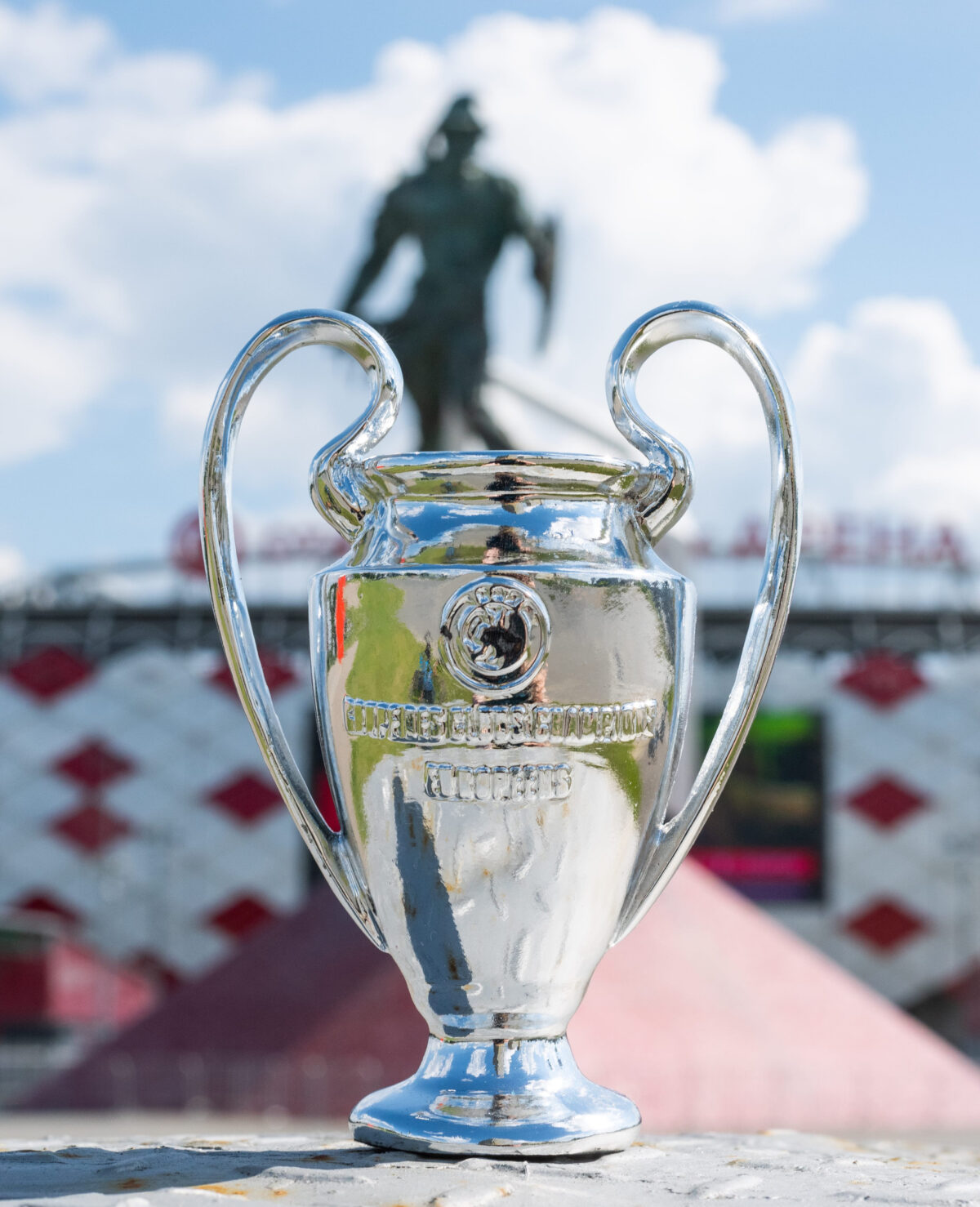
The Champions League trophy is not treated like an ordinary prize. It is the face of the whole competition. Fans see it before the final, during the walkout, on broadcast graphics, at official events, and in the hands of the winning captain.
UEFA protects the trophy because it represents decades of European football history. If every winning club could keep the original, the competition would lose one consistent symbol. The same trophy helps connect different finals, different champions, and different generations of fans. PSG’s victory becomes part of that story, but the trophy remains the competition’s shared icon.
Conclusion
PSG cannot keep the original Champions League trophy because UEFA owns and controls it at all times. The club still receives an official full-size winners’ trophy, and that replica becomes the permanent symbol of their victory. The rule applies to every club, including Arsenal, if they had won.
The bigger story is not the missing trophy in PSG’s cabinet. PSG beat Arsenal, lifted the Champions League that night, and added another major European achievement to their growing legacy. The original trophy goes back to UEFA, but the glory stays in Paris.
PSG’s Champions League victory over Arsenal gave the club another unforgettable European night, but it did not give them permanent ownership of the original trophy. UEFA’s rule is clear: the original cup belongs to the organization, and the winning club receives an official full-size replica instead. That may sound harsh at first, but it keeps the Champions League trophy tied to the competition rather than to one club.
For PSG, the rule does not take away the shine of the win. The players lifted the trophy, the fans celebrated the moment, and the club added another powerful chapter to its European story. Arsenal came close, PSG survived the pressure, and the Champions League once again proved why its trophy is one of football’s most protected symbols.