8 Food Storage Mistakes That Make Groceries Spoil Faster
Groceries have become too expensive to let them die quietly in the back of the fridge. Yet that is exactly what happens in many kitchens every week. The berries grow fur, the lettuce turns into a sad green blanket, the bread gets spotted, and the herbs collapse before anyone gets to use them. It feels like bad luck, but most of the time it’s just bad storage.
The real problem is that many people put food away on autopilot. They come home tired, toss everything wherever there is space, and hope the fridge will magically do the rest. But groceries are not all the same. Some foods hate moisture, some need it, some release gases that ruin their neighbors, and some spoil faster when they are trapped in plastic. A few small storage mistakes can turn a fresh grocery haul into a race against rot.
Storing Everything in the Original Packaging
Many people assume grocery packaging is designed for long life, but that is not always true. Some packaging is made for transport, display, and convenience, not perfect home storage. Berries in plastic clamshells, herbs in loose bags, deli items in thin wrapping, and leafy greens in crowded packaging can spoil more quickly when moisture becomes trapped inside. That sealed look may feel neat, but trapped moisture is often the beginning of slimy greens and moldy fruit.
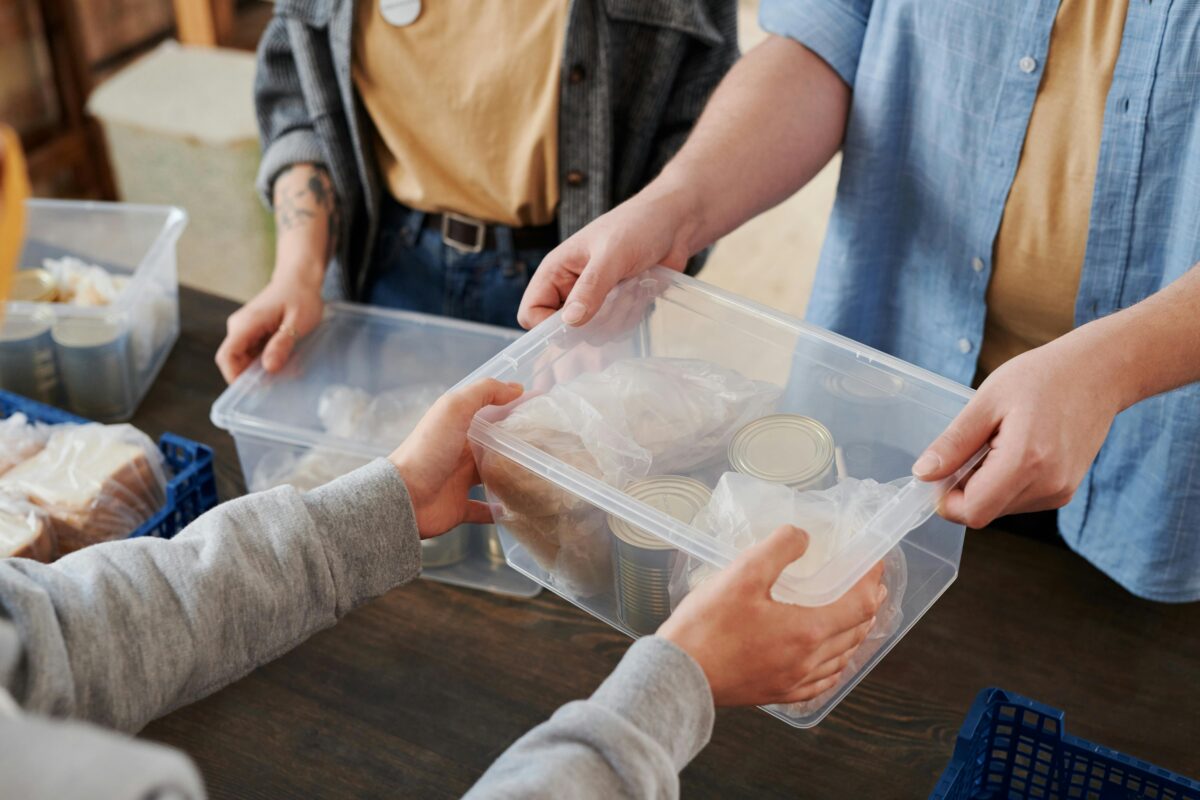
The smarter habit is to repackage foods based on what they need. Leafy greens often last better when lined with a paper towel and kept in a breathable container. Herbs can stay fresher when treated like flowers, with stems in a little water and a loose cover. Leftovers should be transferred to clean, airtight containers. Meat should be wrapped securely to prevent leaks. The goal is not to turn your kitchen into a science lab. It is to stop trusting every store package as if it were built for your fridge.
Washing Produce Before Storing It

Washing produce feels responsible, especially when fruits and vegetables come home looking dusty or handled by half the supermarket. The problem is timing. When berries, grapes, lettuce, herbs, and mushrooms are washed before storage, extra moisture can cling to their surfaces, accelerating spoilage. That moisture creates the perfect little disaster zone for soft spots, slime, and mold. Clean produce is good, but wet produce sitting in the fridge is trouble.
A better move is to wash most produce right before eating or cooking. If you prefer to wash ahead for convenience, make sure everything is dried thoroughly before storage. Salad spinners, clean towels, and paper towels can help remove extra water. Berries need special care because they spoil quickly when damp. Mushrooms also hate excess moisture and can become slimy fast. Dry storage does not mean dirty eating. It simply means you control when water enters the picture.
Keeping Fruits and Vegetables Too Close Together
The crisper drawer often becomes a produce jungle. Apples, greens, carrots, tomatoes, peppers, cucumbers, herbs, pears, and avocados all get tossed together like they signed the same lease. That setup can backfire because some fruits release ethylene gas, a natural ripening gas that can make nearby sensitive produce age faster. Apples, bananas, avocados, pears, peaches, and tomatoes can speed up the decline of greens, cucumbers, broccoli, carrots, and other sensitive items.
This is one of the sneakiest food storage mistakes because nothing looks wrong at first. The damage happens quietly. Lettuce wilts sooner, cucumbers soften, and vegetables lose their snap. Separating produce is a small change that can save real money. Keep ethylene-producing fruits away from delicate vegetables when possible. Use different drawers, bowls, shelves, or bags. Think of produce like roommates. Some get along beautifully, and some make everyone else miserable.
Putting Hot Leftovers Straight Into Deep Containers
Leftovers are supposed to save time and money, but they can spoil faster when stored poorly. One common mistake is pouring hot soup, stew, rice, pasta, or casseroles into one deep container and putting it straight into the fridge. The outside cools first, but the center can stay warm for too long. That slow cooling can reduce quality and create food safety concerns, especially with dense foods.
A better storage habit is to divide large amounts of food into smaller, shallow containers. This helps leftovers cool faster and more evenly. It also makes reheating easier because you can warm only what you need. Another mistake is leaving food on the counter for “just a little while” and then forgetting it. The kitchen can turn into a danger zone faster than people expect. Leftovers need prompt attention. Treat them like money you already spent and want to keep.
Storing Milk and Eggs in the Refrigerator Door
The refrigerator door feels convenient, which is exactly why people put milk, eggs, yogurt drinks, and other delicate items there. Unfortunately, the door is one of the warmest and most temperature-shifting areas of the fridge. Every time it opens, those foods get hit with warmer air. That may not ruin them instantly, but repeated temperature swings can shorten freshness and make sensitive foods spoil faster.
Milk and eggs usually do better on an interior shelf where the temperature stays more stable. The door is better for condiments, sauces, juices, and items that handle slight temperature changes more easily. This small shift can make a noticeable difference, especially in busy households where the fridge opens all day. Convenience matters, but freshness matters more. The easiest spot isn’t always the safest for the foods you use most.
Overcrowding the Refrigerator

A packed fridge may look abundant, but it can quietly work against your groceries. When shelves are overloaded, cold air cannot circulate well. Items get buried, containers block vents, and food at the back may freeze while food near the front warms too often. Overcrowding also makes it harder to see what you own, so food gets forgotten until it spoils.
The fix starts with space and visibility. Keep similar items together, leave room around vents, and avoid stacking containers so tightly that air cannot move. Use clear containers when possible, so leftovers do not disappear behind mystery lids. Place older items toward the front and newer items behind them. A crowded fridge is not just messy; it’s dangerous. It creates waste because your groceries become invisible. When food is easy to see, it is much easier to use before it gives up.
Putting Bread in the Fridge
Many people put bread in the refrigerator because they think cold storage always means longer life. Bread is tricky. Refrigeration can slow mold in some conditions, but it can also make bread go stale faster because the texture changes in the cold. That is why refrigerated bread often turns dry, tough, and joyless before the loaf is finished. It may not look spoiled, but it stops tasting fresh.
For short-term use, bread usually does better in a cool, dry place away from heat and sunlight. For longer storage, the freezer is often the better choice. Slice the bread before freezing so you can take out what you need. This works especially well for sandwich bread, bagels, buns, and homemade loaves. The fridge often creates the worst compromise. It may delay mold a little, but it steals softness. Bread deserves better than becoming edible cardboard.
Storing Onions and Potatoes Together
Onions and potatoes seem like natural kitchen partners because they often appear in the same recipes. But they are not always good storage partners. Potatoes can sprout faster and soften when stored near onions, and onions can also suffer when trapped in the wrong environment. Both need airflow, cool conditions, and darkness, but they should not be crowded together in the same closed bin.
A better approach is to keep potatoes in a cool, dark, well-ventilated place and store onions separately in a dry, airy spot. Avoid plastic bags that trap moisture. Mesh bags, baskets, or open containers work better. Also, keep potatoes away from direct light, as exposure to light can trigger greening and bitterness. This mistake is common because it looks organized, but neatness is not always a sign of freshness. Sometimes the best storage rule is simple distance.
Ignoring the Freezer Until Food Is Almost Spoiled
Many people treat the freezer like a last-chance rescue mission. They wait until the meat smells questionable, the bread is nearly stale, the herbs are wilting, or the fruit is one day from disaster before freezing it. By then, quality has already dropped. The freezer preserves food best when the food is still fresh, not when it is already begging for mercy. Freezing does not reverse time. It pauses what is already there.
The smarter habit is to freeze early and label clearly. If you know you will not cook raw meat within a safe window, freeze it before it becomes a problem. If you bought too many berries, freeze some while they still look beautiful. If herbs are abundant, chop and freeze them with a little water or oil in an ice cube tray. Label bags and containers with dates so your freezer does not become a museum of forgotten meals. Used well, the freezer is not a graveyard. It is a grocery savings account.
Conclusion
Food storage mistakes often look harmless because they happen in quiet little moments. A bag of lettuce goes into the fridge wet. Apples sit beside cucumbers. Milk lands on the door. Leftovers cool in a deep container. Bread moves into the fridge. None of these choices feels dramatic, but together they can shorten the life of your groceries and drain your kitchen’s money.
The good news is that better storage does not require expensive gadgets or perfect meal planning. It starts with paying attention to moisture, airflow, temperature, timing, and separation. Keep the fridge organized, use the freezer earlier, store produce with a little strategy, and stop assuming every food wants the same treatment. Groceries last longer when you give them the right conditions. And in a time when every grocery bill feels personal, wasting less food is one of the easiest wins a home can claim.