10 Horrific Food Storage Mistakes That Are Destroying Your Groceries
We’ve all been there, throwing out food that went bad too soon, feeling the sting of wasted money and time. While it’s tempting to think that food storage is a no-brainer, many of us unknowingly make critical mistakes that shorten the lifespan of our groceries. From improperly storing fruits and vegetables to mismanaging leftovers, these slip-ups can cost you more than just spoiled food. Here’s a guide to the 10 most common food storage errors, and how you can avoid them to maximize the freshness and shelf life of your groceries.
Storing Produce in the Wrong Place
Many fruits and vegetables require specific conditions to stay fresh, yet we often neglect to separate them properly. For example, tomatoes and cucumbers should never be kept in the fridge, while apples and pears thrive best in cooler, drier conditions. Storing produce in the wrong place accelerates ripening and spoilage, leaving you with mushy, inedible items.
Tip: Store fruits and vegetables separately, in the ideal conditions for each.
Overcrowding Your Fridge
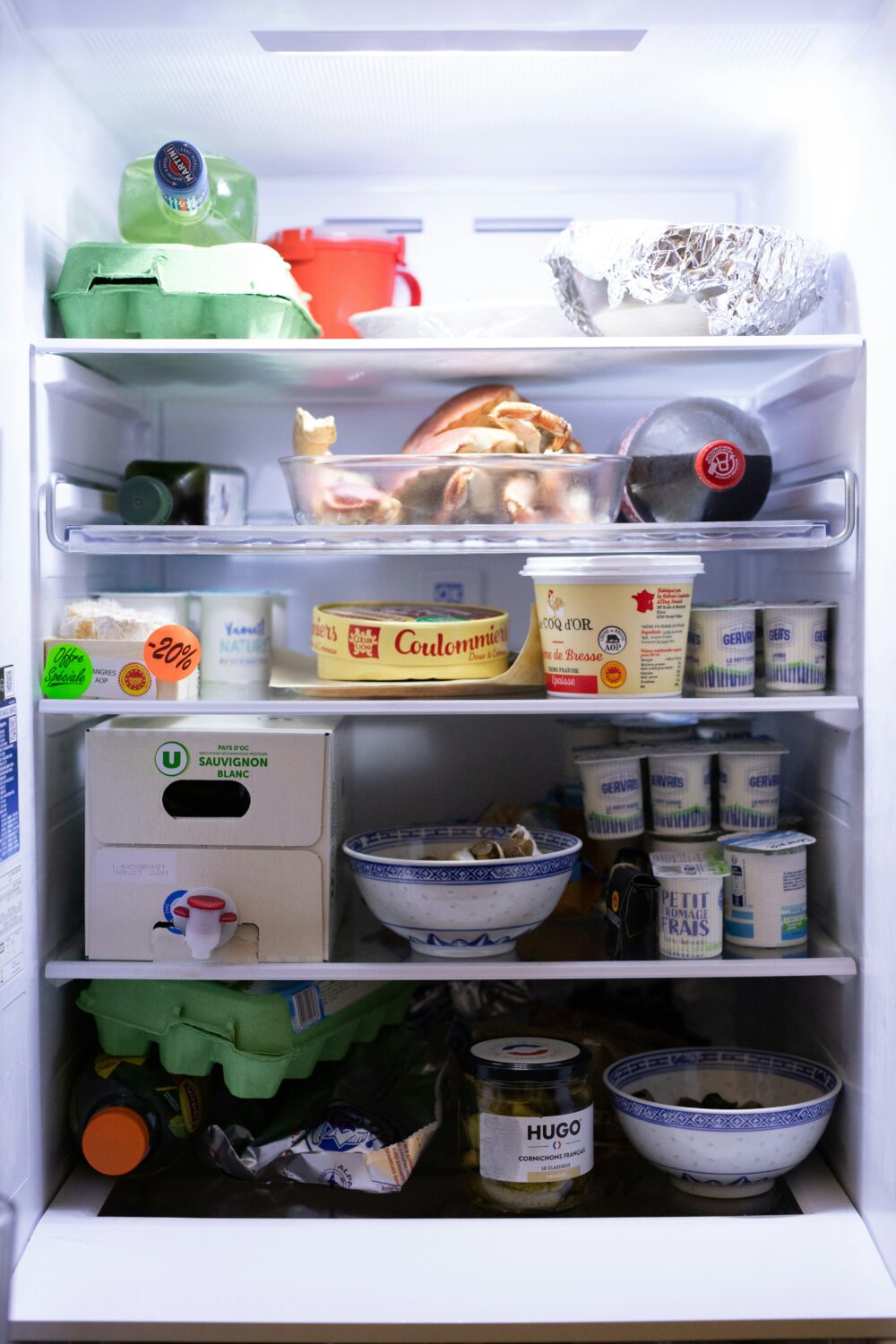
Trying to fit everything into your fridge might seem like the smart thing to do, but overcrowding blocks airflow and causes uneven cooling. When the fridge is too full, colder areas can’t circulate properly, leading to some food spoiling faster than others.
Tip: Keep your fridge organized and leave space between items for optimal airflow and temperature consistency.
Ignoring the Freezer’s Potential
Not all foods are meant for the fridge. If you have leftovers or extra items like meat or bread, freezing them can help preserve them for months. Yet many people overlook this option, resulting in waste.
Tip: Don’t hesitate to freeze excess food, but make sure to use airtight containers or freezer bags to prevent freezer burn.
Leaving Food Open
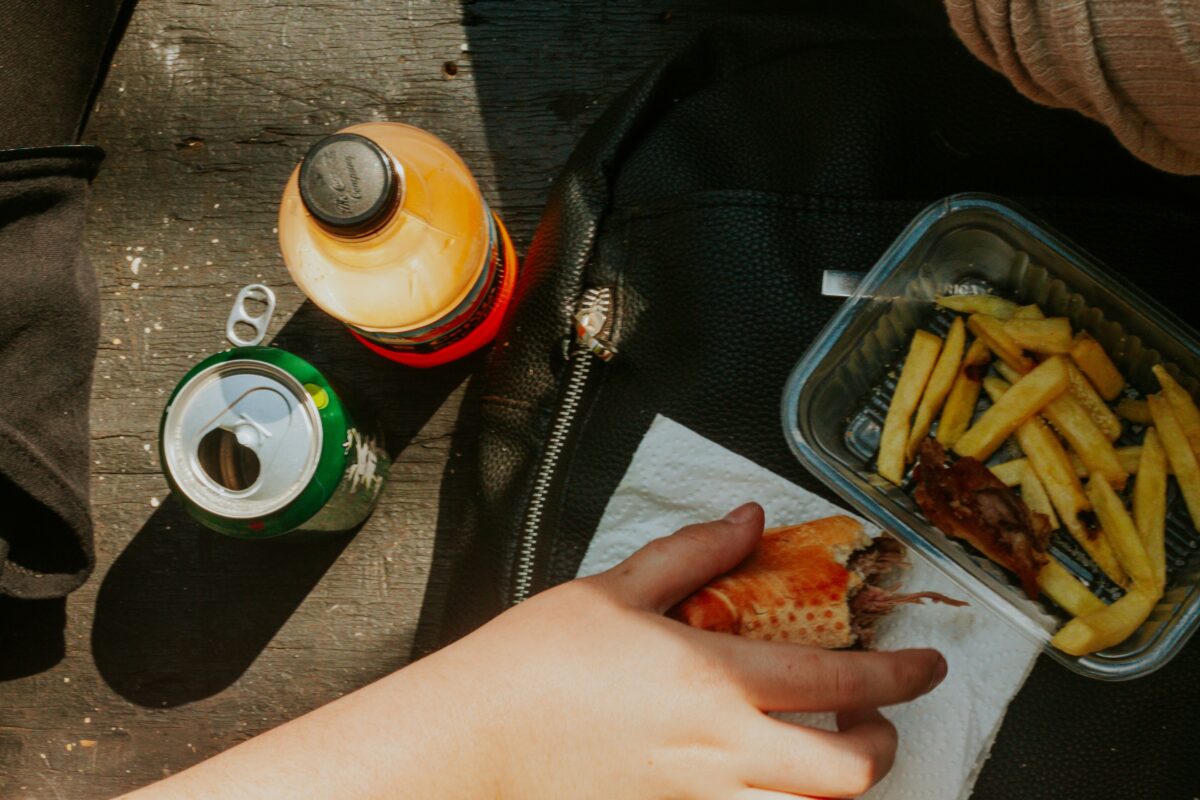
When food is left uncovered or improperly sealed, it’s vulnerable to bacteria and contaminants that accelerate spoilage. The longer food is exposed to air, the quicker it dries out, loses its flavor, and becomes a breeding ground for germs.
Tip: Invest in airtight containers and properly wrap leftovers to maintain both freshness and safety.
Not Using the FIFO Method
Failing to use the “First In, First Out” (FIFO) method is a sure-fire way to lose track of your food inventory. When older items are hidden at the back of your pantry or fridge, newer items take their place, and you end up with expired food that you’ve completely forgotten about.
Tip: Always place newer items behind older ones to ensure you use them first.
Storing Potatoes and Onions Together
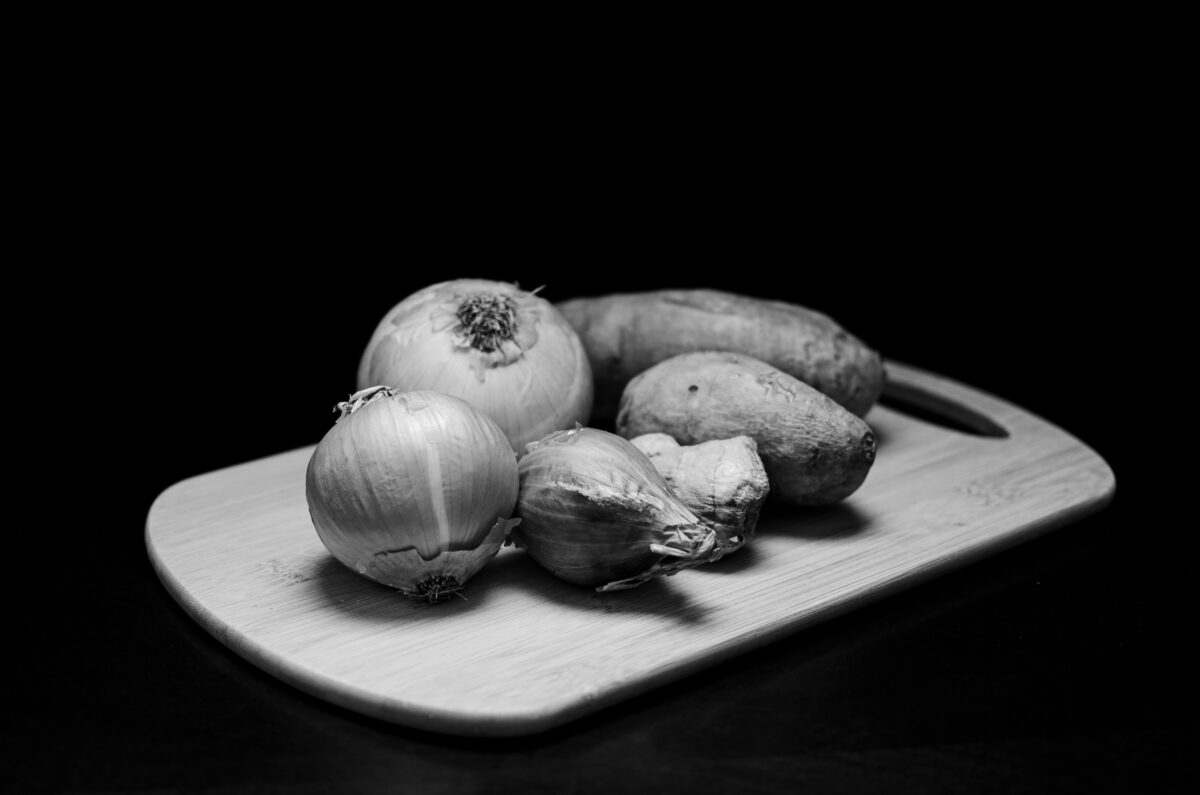
It’s a well-known yet overlooked mistake to store potatoes and onions together. When combined, they release gases that can cause both to ripen too quickly, leading to sprouting and mold growth.
Tip: Store potatoes and onions in separate, cool, dark places to prevent premature spoilage.
Using the Wrong Containers for Leftovers
Not all food containers are created equal. Glass containers work wonders for retaining food freshness, while plastic containers can absorb odors and stain easily. If you’re reusing plastic bags or containers for leftovers, they may also harbor harmful bacteria.
Tip: Invest in high-quality, airtight glass containers to store your leftovers safely and for longer periods.
Not Checking Expiry Dates
Ignoring expiry dates is another major cause of food waste. We often forget to check the date on items we stock in our pantry or fridge, thinking we’ll use them eventually. However, consuming expired goods can lead to foodborne illness or loss of flavor.
Tip: Regularly check your food’s expiration date and consume items before they expire to avoid illness and waste.
Storing Dairy Incorrectly
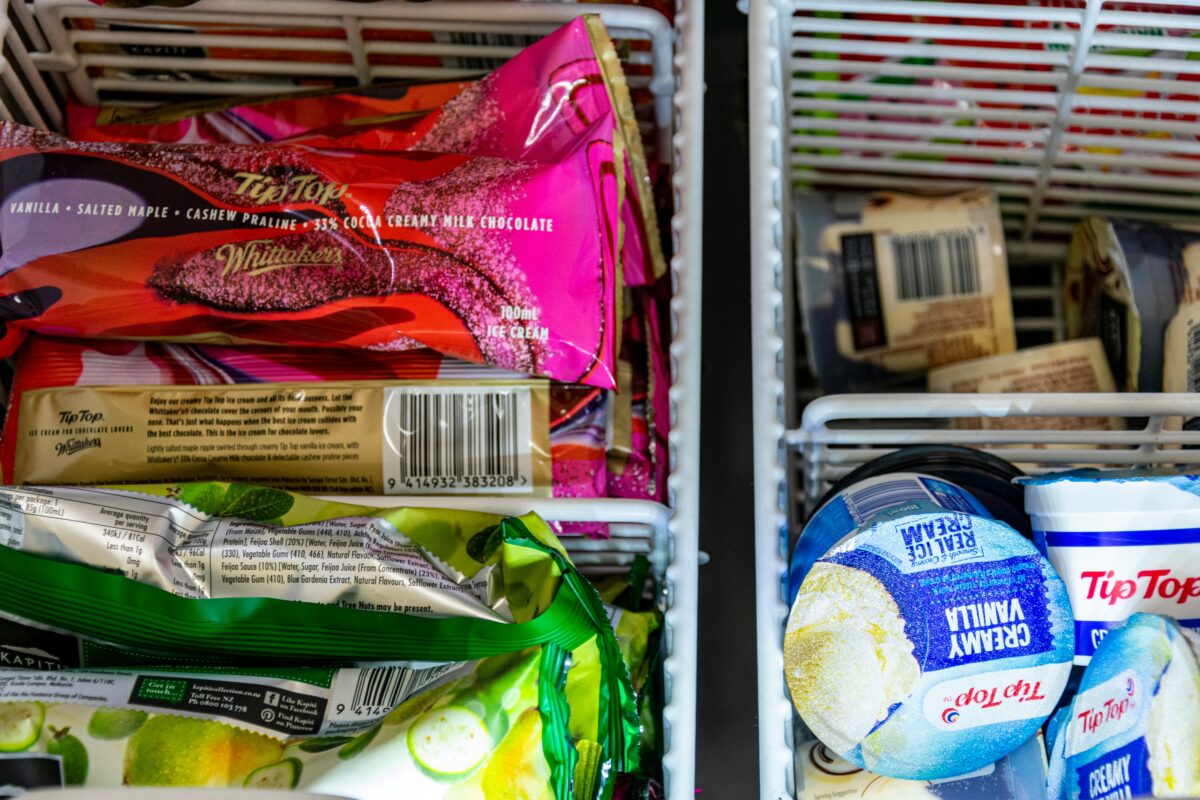
Dairy products like milk, cheese, and butter have specific storage requirements. Most people leave milk in the door, where it’s constantly exposed to temperature fluctuations. Similarly, cheese can dry out or become moldy if not properly wrapped.
Tip: Store dairy items at the back of the fridge where the temperature is most stable. Wrap cheese tightly in wax paper or foil to prevent drying.
Rinsing Fruits and Vegetables Too Early
It’s tempting to wash your fruits and vegetables as soon as you bring them home, but doing so prematurely can lead to faster spoilage. The excess moisture creates an environment that encourages mold and bacterial growth.
Tip: Rinse produce only right before using it to maintain freshness and avoid excess moisture.
Conclusion
Food storage might seem like a small concern, but these simple mistakes can quickly lead to wasted food and money. By understanding the best practices for storing your groceries, you can extend their shelf life and reduce unnecessary waste. Avoid these common pitfalls, and you’ll be on your way to smarter, more sustainable food storage that keeps your groceries fresh longer. Remember: a little care in how you store your food goes a long way in preserving its quality.