6 Foods Many Americans May Not Understand Why People Around the World Love Eating
Imagine sitting down for breakfast and finding a bowl of sticky fermented beans instead of scrambled eggs. Or opening a fruit that smells surprisingly pungent, only to discover a rich, custard-like filling that people consider a delicacy.
What seems unusual on one dinner table can be a childhood favorite on another. Across the world, certain foods have developed devoted followings because of their distinctive flavors, traditional preparation methods, and connections to everyday life.
Some are enjoyed at breakfast, others are associated with celebrations, and a few are beloved street-food specialties.
These six foods might surprise American eaters unfamiliar with them, but understanding how they’re prepared and served reveals why people continue to enjoy them.
Natto
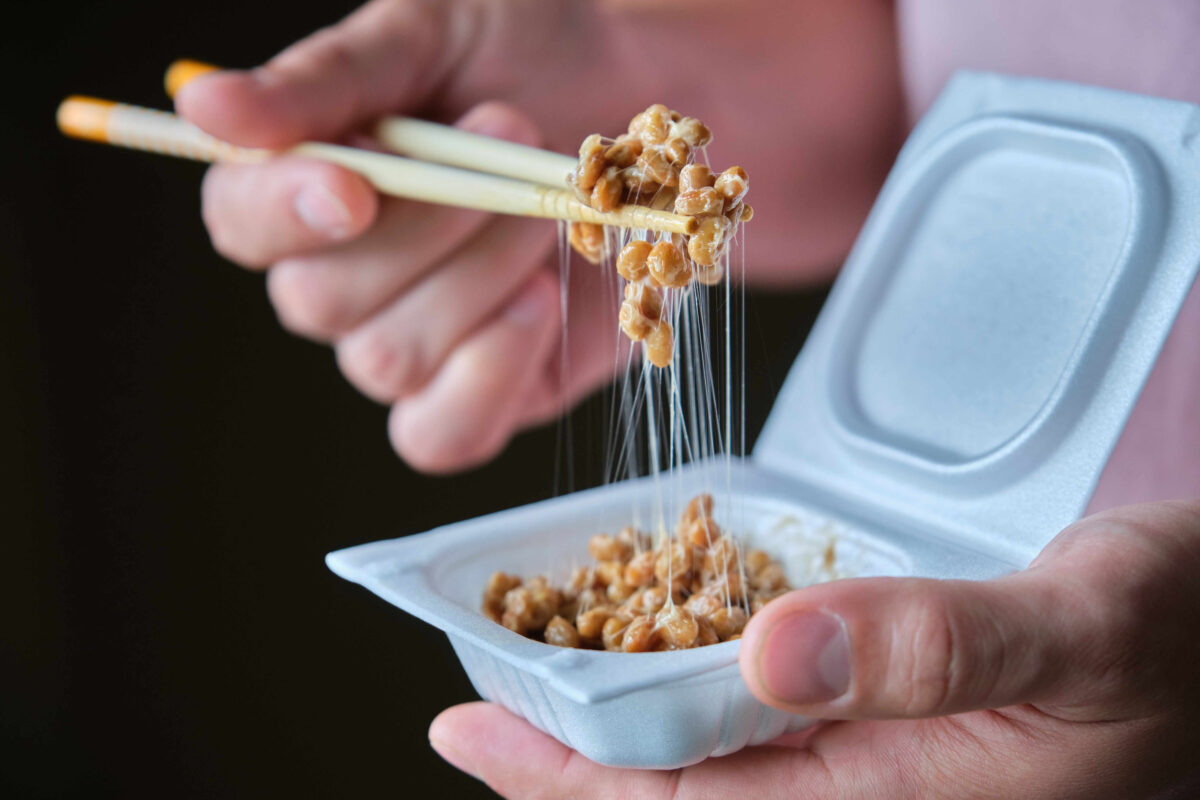
For someone expecting a typical American breakfast, natto could be an unexpected sight. These Japanese fermented soybeans develop sticky strands that stretch between the beans when stirred.
Natto is made by fermenting cooked soybeans with a bacterium called Bacillus subtilis natto. The process creates its characteristic texture and pungent aroma, sometimes compared to strong cheese. In eastern Japan, natto is a familiar breakfast food, commonly mixed with soy sauce and mustard before being served over warm rice.
Its history is particularly connected to Ibaraki Prefecture, and natto became an established household food during Japan’s Edo period. For people who grew up eating it, those sticky strands and bold flavors aren’t unusual. They’re simply part of a familiar morning meal.
Durian
Few fruits create quite the first impression that durian does. Covered in sharp thorns, this Southeast Asian fruit has an aroma that people have compared to everything from garlic and onions to sweaty socks. Yet beneath that formidable exterior is creamy, golden flesh that helps explain its reputation as the “King of Fruits.”
Ripe durian has a custard-like consistency, with complex flavors sometimes described as combining nuts, vanilla, bananas, spices, and savory onion notes. While some enjoy eating it fresh, durian also appears in ice cream, cakes, milkshakes, cookies, and candies.
Its cultural significance extends beyond flavor. In parts of Southeast Asia, growing and sharing durian connects families and communities across generations. For admirers, the rich flesh and layered flavor are worth getting past the powerful aroma.
Vegemite
An American trying Vegemite for the first time might make one crucial mistake: spreading it across toast as generously as peanut butter. That approach can turn an unfamiliar flavor into an overwhelming experience.
Vegemite is a dark Australian spread made from brewer’s yeast. It has an intensely salty, tangy, savory taste, and Australians commonly enjoy it spread thinly over buttered toast.
Developed by Cyril P. Callister, Vegemite first appeared on Australian grocery shelves in 1923. Over time, it became closely connected to Australian food identity and childhood memories. Its popularity was also reflected in the famous Happy Little Vegemites advertising jingle, first broadcast on radio in 1954.
Although toast remains a familiar way to enjoy it, Vegemite can also add savory flavor to soups, stews, and gravies. Sometimes, understanding a food simply means learning how locals serve it.
Century Eggs
Crack open a familiar boiled egg, and you expect a white exterior surrounding a yellow yolk. Century eggs turn that expectation completely around. Also known as thousand-year eggs, these Chinese preserved eggs can be made from duck, chicken, or quail eggs.
Traditional preparation involves an alkaline coating containing ingredients such as ash, tea, lime, salt, and earth. During preservation, the egg white transforms into a dark, translucent, jelly-like substance. Meanwhile, the yolk develops shades of green, yellow, and gray, with a softer consistency.
Despite their dramatic name, century eggs aren’t actually 100 years old. Their flavor is rich, pungent, and savory, sometimes compared to blue cheese.
They are commonly served with pickled ginger or incorporated into dishes such as congee, a rice porridge, and tofu preparations. What initially looks unfamiliar is the result of a longstanding Chinese preservation tradition.
Haggis
Ask someone unfamiliar with Scottish cooking about haggis, and its ingredient list might attract more attention than its actual flavor. Traditional haggis combines minced sheep organs, including the heart, liver, and lungs, with oatmeal, suet, spices, and stock.
Historically, the mixture was cooked inside a sheep’s stomach, although modern preparations may use synthetic casings. The finished dish has a savory taste and a coarse, slightly nutty texture. It’s commonly served alongside “neeps and tatties,” Scottish terms for mashed swede or turnip and potatoes.
But haggis is much more than an inventive way of preparing ingredients. Every January 25, it takes center stage during Burns Night celebrations honoring Scottish poet Robert Burns.
Traditional festivities can include ceremonially presenting the haggis while Burns’s poem Address to a Haggis is recited. Few dishes demonstrate quite so clearly how everyday cooking traditions can become powerful cultural symbols.
Balut
For people unfamiliar with Filipino street food, balut may require some explanation before the first bite. Balut is a fertilized duck egg that undergoes incubation before being boiled. A commonly described preparation involves approximately 17 to 18 days of incubation.
Inside the shell are broth, yolk, and a developing duck embryo. People commonly eat balut by opening the shell, sipping the warm broth, and then eating the remaining contents. Salt and vinegar are familiar accompaniments.
Balut is sold by street vendors and also appears in restaurants. The municipality of Pateros has a particularly strong historical association with its production. For those who enjoy it, the appeal includes its savory flavor, warm broth, and familiar preparation.
Of course, not every Filipino enjoys balut, just as Americans don’t all share the same preferences for particular dishes. Its lasting place in Filipino street-food culture reflects a culinary tradition that remains meaningful to many people.
Why Familiarity Changes the Way We Experience Food
From Japan’s sticky breakfast beans to Scotland’s ceremonial haggis, these foods illustrate how preparation, tradition, and personal experience shape what people enjoy eating.
An unfamiliar aroma or texture might be the first thing a newcomer notices, but it rarely tells the complete story.
Behind each dish are generations of cooking practices, familiar serving rituals, and flavors that people have learned to appreciate in their own ways.