Nearly 100 Wildfires Explode Across the U.S. as Fire Crews Face Growing Resource Strain
A dangerous wildfire season is pushing firefighting teams across the United States to their limits as nearly 100 large wildfires continue burning in multiple regions, stretching crews, aircraft, equipment, and emergency resources amid challenging conditions.
The surge in active fires has created a complex national firefighting effort, with officials coordinating responses across western states and other areas affected by dry conditions, high temperatures, and shifting winds. Firefighters are working around the clock to contain flames that threaten communities, forests, and critical infrastructure.
The growing number of large fires has renewed concerns about the increasing demands placed on the nation’s wildfire response system and the difficulty of managing multiple major incidents at the same time.
Firefighting Resources Under Pressure as Blaze Count Climbs
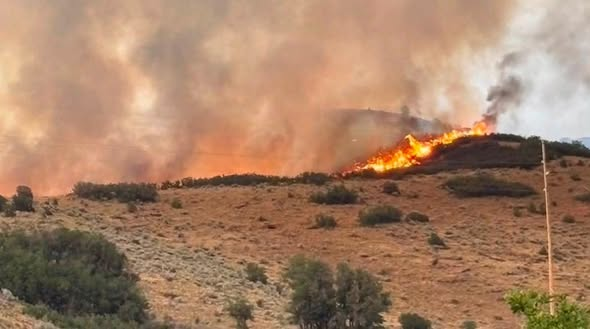
With dozens of major fires burning simultaneously, federal, state, and local agencies are relying on a wide network of firefighters, helicopters, airplanes, engines, and emergency personnel to respond.
Large wildfires often require thousands of personnel because crews must battle flames across difficult terrain while protecting nearby communities. When multiple fires grow at once, resources must be carefully assigned based on immediate threats and changing conditions.
Officials say the challenge is not only fighting existing fires but also preparing for new outbreaks. Dry vegetation, extreme heat, and unpredictable weather can quickly transform a small fire into a dangerous emergency.
The pressure on resources has become one of the defining challenges of modern wildfire seasons, as firefighting agencies work to balance immediate response with long-term preparedness.
Western States Continue to Face Dangerous Fire Conditions
Many of the largest wildfire threats have been concentrated in western parts of the country, where forests, grasslands, and rural areas remain vulnerable to rapid fire spread.
States across the West regularly experience wildfire activity during the summer months, but increasingly severe conditions have made containment efforts more difficult. High temperatures can dry out vegetation, creating fuel that allows flames to move quickly.
Wind remains one of the biggest concerns for firefighters. Strong gusts can push flames across large areas in a short period, forcing crews to adjust strategies and sometimes evacuate nearby residents.
Communities near forests and open land have been urged to remain alert, follow evacuation guidance, and prepare emergency plans as fire conditions continue changing.
Why Fighting Multiple Wildfires at Once Is So Difficult
Wildfire response requires careful coordination because every fire presents different challenges. Some fires burn in remote wilderness areas where access is limited, requiring aircraft and specialized crews. Others threaten neighborhoods and infrastructure, demanding immediate protection efforts.
Firefighters must consider factors including weather forecasts, terrain, available water sources, and the safety of personnel working on the front lines.
When several large fires burn at the same time, agencies may face difficult decisions about where to send resources first. Protecting lives and communities remains the highest priority, but limited equipment and personnel must be distributed strategically.
The situation highlights the complexity of modern wildfire management and the increasing need for coordinated emergency response.
Climate and Weather Conditions Add to Fire Risks
Scientists and fire officials have pointed to changing environmental conditions as factors contributing to more challenging wildfire seasons.
Long periods of heat, dry weather, and drought conditions can leave landscapes more vulnerable to ignition. Once fires begin, those conditions can allow flames to spread faster and burn more intensely.
While individual wildfires have many causes, including human activity and natural events such as lightning strikes, officials emphasize that dry conditions play a major role in determining how difficult a fire becomes to control.
Communities in fire-prone areas have increasingly focused on prevention efforts, including vegetation management, fire-resistant construction, and emergency preparation.
Firefighters Face Dangerous Conditions on the Front Lines
The men and women battling these fires are working in some of the most hazardous conditions in emergency response.
Wildland firefighters often spend long hours in extreme heat while carrying heavy equipment through difficult terrain. Their work includes building fire lines, removing vegetation, protecting structures, and responding to sudden changes in fire behavior.
Safety remains a major concern. Fire crews must constantly monitor weather changes and fire movement because conditions can become dangerous within minutes.
Despite the challenges, firefighters from multiple agencies continue working together to contain the flames and reduce risks for communities in affected areas.
Communities Prepare as Fire Season Continues
As wildfire activity remains high, emergency officials are reminding residents in vulnerable areas to prepare before fires approach.
Preparation steps include creating evacuation plans, keeping emergency supplies ready, clearing vegetation around homes, and staying informed through official alerts.
For many communities, wildfire season has become an annual challenge requiring constant awareness. Residents who once viewed fires as rare events have increasingly adapted to living with greater wildfire risks.
Local governments have also expanded prevention programs and emergency planning efforts as they prepare for the possibility of additional fires developing.
A Growing Challenge for America’s Wildfire Response System
The current wildfire surge demonstrates the enormous challenge facing the nation’s firefighting system. With nearly 100 large fires burning, agencies are being tested by a combination of environmental conditions, limited resources, and increasing demand for emergency response.
The situation also raises broader questions about how the country prepares for future wildfire seasons. As communities expand into fire-prone areas and weather conditions become harder to predict, wildfire management remains a major national priority.
For firefighters on the front lines and families living near affected areas, the focus remains the same: contain the flames, protect lives, and prevent further destruction as the wildfire season continues.