Enfield Girl’s Death Investigation Deepens as Divorce, Custody Issues and Unanswered Questions Shape a Community’s Search for Answers
The Enfield girl’s death investigation has grown into a complicated legal and emotional case involving a family divorce, criminal proceedings, custody concerns and a community still waiting for answers about what happened to 12-year-old Eve Rogers.
A child’s death can leave a community searching for explanations, but the case surrounding Eve Rogers has created a series of difficult questions that extend far beyond the initial investigation. Months after Eve was found dead inside her family’s Elm Street home in Enfield, Connecticut, authorities continue examining the circumstances surrounding her death while separate legal battles unfold.
The Enfield girl’s death investigation remains active, and officials have not publicly released a final cause and manner of death. At the same time, Eve’s stepfather, Anthony Federline, faces criminal charges involving allegations of sexual assault and risk of injury to a child. He has not been charged with causing Eve’s death.
The situation has placed the family at the intersection of several legal systems. A criminal court is focused on the charges filed against Federline. A divorce court is addressing the end of his marriage to Eve’s mother, Melanie Federline. Child welfare authorities are involved because of concerns surrounding the couple’s surviving child.
Each process follows its own rules and timeline. Together, they paint a picture of a family facing profound disruption while investigators continue working to answer the questions surrounding Eve’s death.
A quiet Connecticut neighborhood becomes the center of a heartbreaking investigation
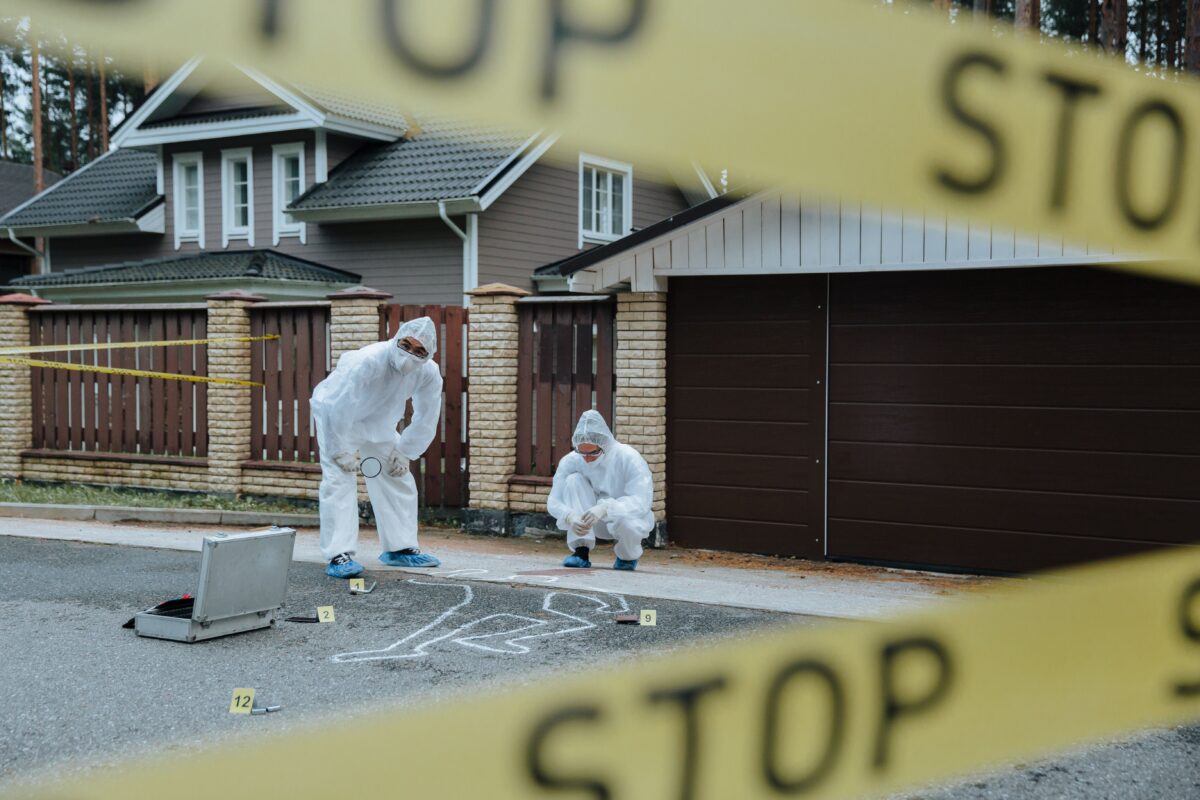
The Elm Street home was once a private family residence, but it has become the center of one of Enfield’s most closely followed investigations.
Eve Rogers was found dead at the home on March 18, 2026. The discovery immediately triggered a law enforcement response and launched an investigation that would eventually involve police searches, forensic examinations and court proceedings.
The home became an important part of the Enfield girl’s death investigation because investigators examined evidence connected to the residence. Authorities conducted searches as they worked to understand the events leading up to Eve’s death.
However, investigators have not publicly revealed every detail gathered during the process. In major cases involving a child’s death, officials often limit public statements while evidence is reviewed and legal decisions are considered.
The attention surrounding the home also created a difficult reality for the family. The property became both a place connected to painful memories and a legal issue in the divorce proceedings between Melanie and Anthony Federline.
Melanie Federline has requested exclusive use of the marital home while the divorce case continues. According to court documents, she argued that maintaining housing stability was necessary while managing expenses and caring for the children.
The request reflects a common issue in family court cases involving separation and incarceration. Courts often must decide who can remain in a shared home while larger questions about ownership and property division are resolved.
For the Enfield community, the home represents a place where unanswered questions remain. For the family, it represents a personal loss that is now connected to ongoing legal proceedings.
Divorce filing reveals the personal consequences behind the public case
The divorce between Melanie Federline and Anthony Federline shows how the tragedy has affected the family structure beyond the criminal courtroom.
Court documents filed in Hartford Superior Court show that Melanie Federline is seeking to dissolve her marriage to Anthony Federline. The filing states that the marriage has broken down irretrievably.
The couple married in 2018 and shared a family life before the investigation changed everything. Their divorce case now moves separately from the criminal proceedings involving Federline.
This separation between legal systems is important. A divorce court does not decide criminal guilt, and a criminal court does not determine every issue involved in ending a marriage.
Instead, the divorce process focuses on questions such as property, financial responsibilities and family arrangements. Melanie Federline’s filing asks the court to address those matters while Federline remains incarcerated.
The request for control of the Elm Street home is one of the most significant parts of the filing. It reflects the practical challenges that families face when one spouse is unable to participate in daily household responsibilities.
The divorce also highlights a broader issue seen in families affected by criminal investigations. Legal cases often create additional pressure through financial uncertainty, housing concerns and changes in family relationships.
For Melanie Federline, the divorce represents a formal step toward separating her life from Anthony Federline while the investigation into Eve’s death continues.
For the community, the filing offers another glimpse into the aftermath of a tragedy that has affected multiple people connected to the family.
Anthony Federline’s criminal case moves forward while the investigation continues

Anthony Federline faces serious criminal allegations, but authorities have not charged him with murder or announced that anyone has been charged in connection with Eve Rogers’ death.
Federline was arrested in April and charged with first-degree sexual assault and risk of injury to a child.
The charges are connected to allegations involving Eve. Court records and reports have described evidence reviewed by investigators, including forensic information related to the sexual assault investigation.
However, criminal charges represent allegations, not final conclusions. Prosecutors must prove their case in court beyond a reasonable doubt before a conviction can occur.
The distinction is especially important in the Enfield girl’s death investigation because the public has received information about the criminal case while many details about Eve’s death remain unresolved.
Authorities have continued reviewing evidence, but they have not announced a homicide charge against Federline or anyone else.
Federline’s criminal case has continued through Hartford Superior Court. Recent proceedings have focused on scheduling and legal steps as both sides prepare for future hearings.
Complex criminal cases often require extensive preparation. Prosecutors may review forensic evidence, interview witnesses, and evaluate whether additional charges are supported by the evidence available.
The next stages of the case could provide additional information, but any developments will depend on court proceedings and decisions made by investigators and prosecutors.
The unanswered questions surrounding Eve Rogers’ death
The lack of a public explanation for Eve’s death remains the central concern for many people following the case.
The most significant unanswered question in the Enfield girl’s death investigation is how Eve died.
The Office of the Chief Medical Examiner has not publicly released the official cause and manner of death. That determination can play a critical role in investigations because it helps authorities understand what happened and whether additional criminal action may be necessary.
Medical examiner reports often involve detailed reviews of physical evidence, toxicology results, and other forensic findings. In complicated cases, those conclusions may take time.
The delay can be difficult for families and communities that want immediate answers. People naturally seek explanations after a child’s death, especially when the circumstances remain unclear.
Another unresolved issue involves whether additional charges could be filed. Investigators have continued examining evidence, but no additional charges related to Eve’s death have been announced.
This uncertainty has contributed to continued public interest in the case. Many residents want accountability, but investigators must establish facts before prosecutors can move forward.
The situation reflects a challenge common in high-profile investigations. Public attention often grows quickly, while legal processes require patience, evidence review and careful decisions.
A family changed forever as custody questions emerge

Beyond the court documents and investigations are children and relatives dealing with consequences that will continue long after the headlines fade.
According to divorce filings, Melanie and Anthony Federline have a 7-year-old son who has been placed in the custody of the Connecticut Department of Children and Families.
The involvement of child welfare authorities adds another dimension to the family’s situation. When children are affected by serious investigations, agencies must consider safety, stability, and long-term wellbeing.
Custody decisions are often complicated because they involve balancing immediate protection with the emotional needs of children. Officials typically examine each family’s circumstances before determining future arrangements.
Eve’s siblings and relatives must now navigate grief while the legal system moves forward. The loss of a child can affect entire families, changing relationships and daily routines.
Research on childhood trauma has shown that sudden loss and family instability can have lasting emotional effects. Support from relatives, schools and mental health professionals can become important parts of recovery.
The impact of the Enfield girl’s death investigation will likely continue affecting the family even after court proceedings conclude.
Legal outcomes may answer some questions, but they cannot erase the personal consequences created by Eve’s death.
Enfield community remembers Eve while waiting for justice
For residents of Enfield, the case is not only about criminal charges and court documents but also about remembering the child behind the investigation.
Community members have gathered during court proceedings to honor Eve Rogers and express support for those affected by her death.
These gatherings reflect a pattern seen in communities after tragedies involving children. Residents often come together to show compassion, demand answers, and support families experiencing loss.
Eve’s biological father, Robert Rogers, has spoken publicly about remembering his daughter and supporting her siblings. His statements have focused on honoring Eve’s life and seeking accountability through the proper legal channels.
The public response also demonstrates the challenge of balancing emotion with facts. Communities often want immediate answers, but investigations must follow evidence and legal standards.
Responsible reporting becomes especially important in cases involving children. Speculation can cause additional harm, while accurate information helps the public understand what authorities have actually confirmed.
The Enfield girl’s death investigation continues to represent both a search for justice and a reminder of the human lives affected behind every court filing.
The road ahead for a case that continues to hold Enfield’s attention

The coming months may determine how the criminal case develops, but many questions surrounding Eve Rogers’ death remain unanswered.
The criminal proceedings against Anthony Federline will continue separately from the divorce case. The family court will address issues involving the marriage, property and future arrangements.
Investigators will continue evaluating evidence related to Eve’s death. Any additional developments will depend on what authorities uncover and what prosecutors determine can be supported in court.
For the people of Enfield, the case remains a painful reminder that answers do not always arrive quickly. Investigations involving children require careful attention because every decision can affect families, communities and future legal proceedings.
The Enfield girl’s death investigation is ultimately about more than a courtroom timeline. It is about a 12-year-old girl whose life ended unexpectedly, a family facing irreversible change and a community hoping for truth.
As the legal process continues, the most important questions remain the ones that brought investigators to the Elm Street home in the first place: what happened to Eve Rogers, why did it happen, and will the full story eventually come to light?