Trump’s NATO summit reversal leaves allies questioning America’s future role.
Trump’s dramatic shift from criticizing NATO to praising alliance unity in Ankara created a moment of relief for allies, but it also exposed a deeper concern: after decades of relying on Washington, European leaders are preparing for a future in which U.S. commitment may no longer feel guaranteed.
The NATO summit in Ankara delivered two very different stories at the same time. On stage, leaders from 32 countries projected unity, announced major defense commitments, and emphasized cooperation. Behind the scenes, however, many allies were left studying a familiar challenge: how to respond when the direction of American foreign policy can change within hours.
President Donald Trump arrived at the summit with strong criticism of NATO members, questioning whether European allies were contributing enough to collective defense and renewing disputes over security, trade, and foreign policy. Yet after private discussions with alliance leaders, his tone changed dramatically. Trump described the meetings as highly successful, praised NATO cooperation, and presented the summit as evidence that the alliance was becoming stronger.
For European governments, the shift brought both relief and uncertainty. NATO has existed for more than 75 years, includes 32 member countries and protects nearly 1 billion people, but the alliance’s future depends heavily on whether members believe Washington’s security commitments will remain consistent.
NATO’s biggest military spending transformation in decades
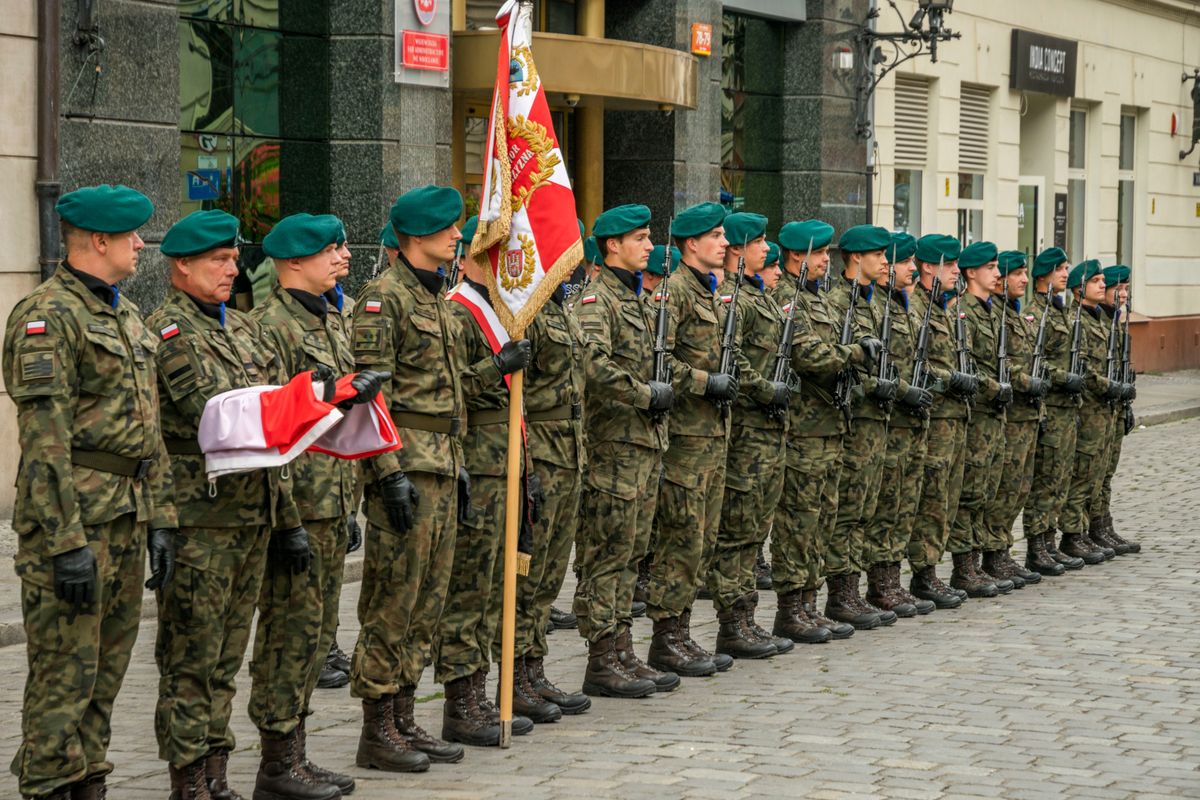
The most important outcome from Ankara was not the political drama surrounding Trump’s comments. It was the massive financial and military transformation underway across the alliance.
NATO members are moving toward a defense spending goal of up to 5% of GDP by 2035, a target that would represent one of the largest increases in military investment since the Cold War. The plan reflects growing concerns about Russia, rising global competition, and the possibility that Europe must take greater responsibility for its own security.
The increase will affect far more than military budgets. It will reshape defense manufacturing, technology development, supply chains, and industrial policy across Europe and North America.
New spending is expected to support advanced weapons systems, missile defense, drones, cyber protection, artificial intelligence, and military infrastructure. Governments are also looking to expand domestic production because recent conflicts have shown that ammunition and equipment shortages can become major security weaknesses.
The scale of the change is enormous. Even a small percentage increase in defense spending by major European economies could represent tens of billions of dollars flowing into military production, research, and infrastructure.
Europe is preparing for a world with less certainty from Washington.
For decades, NATO operated around a simple arrangement. European countries contributed troops and resources, but the United States provided much of the alliance’s advanced military power, intelligence capabilities and strategic reach.
That balance is changing.
Trump’s criticism of NATO has accelerated a debate already underway in Europe: whether countries need to become more independent in defense planning.
European leaders are now considering how to build stronger military capabilities, expand weapons production, and reduce dependence on American support.
The challenge is that military independence cannot be created quickly. Building factories, training personnel, and developing advanced defense systems requires years of investment.
Europe may increase spending rapidly, but replacing decades of American military infrastructure will be a long-term process.
Erdoğan’s relationship with Trump shaped the Ankara summit.
One of the most important political factors at the summit was Trump’s relationship with Turkish President Recep Tayyip Erdoğan.
Trump repeatedly highlighted his close connection with Erdoğan and praised Turkey’s role as a NATO partner. That relationship appeared to influence the atmosphere of the summit, helping prevent disagreements from escalating publicly.
Turkey’s position within NATO makes it strategically important. The country has NATO’s second-largest military by personnel, controls access between the Black Sea and the Mediterranean, and sits at the center of several major regional security issues.
For Erdoğan, hosting the summit was an opportunity to strengthen Turkey’s influence and present Ankara as a critical player in global security discussions.
Turkey also used the meeting to advance its interests, including defense cooperation, military technology partnerships and broader recognition of its role in NATO decision-making.
Mark Rutte helped turn tension into a political victory.
NATO Secretary General Mark Rutte played a major role in maintaining unity during the summit.
Rather than openly challenging Trump’s criticism, Rutte emphasized a message that aligned with Trump’s priorities: European allies are increasing defense spending and taking more responsibility.
The approach helped transform a possible confrontation into a shared success story.
Trump could argue that his pressure had forced NATO members to invest more, while European leaders could highlight the alliance’s continued strength.
The strategy worked because it focused on results rather than disagreements.
However, the underlying issue remains unresolved. Personal diplomacy can ease tensions during a summit, but it cannot completely remove concerns about long-term strategy.
Trump’s unexpected shift toward Zelenskyy changes the conversation about Ukraine.
One of the most surprising moments in Ankara was Trump’s warmer approach toward Ukrainian President Volodymyr Zelenskyy.
The relationship between the two leaders has often been tense, especially over military assistance, negotiations with Russia, and the future of the war in Ukraine.
At the summit, Trump praised Zelenskyy’s leadership and discussed continued efforts to support Ukraine.
The change mattered because Ukraine remains one of NATO’s biggest security challenges. The conflict has created one of the largest military and humanitarian crises in Europe since World War II.
The numbers show the scale of the challenge. Millions of people have been affected, billions of dollars have been committed to military assistance, and European governments continue searching for ways to support Ukraine while managing their own security needs.
For Kyiv, improved communication with Washington provides an important diplomatic advantage.
NATO’s Ukraine support sends a message beyond Europe
The summit reinforced NATO’s commitment to Ukraine through continued military and financial assistance.
The support package focuses on areas that have become critical during modern warfare, including air defense, ammunition supplies, battlefield technology, and military training.
The message to Russia was clear: NATO members are still committed to supporting Ukraine despite political uncertainty.
However, the financial responsibility is shifting.
European countries are expected to provide a larger share of future support, reflecting the broader transformation underway within NATO.
The alliance is moving toward a model where Europe plays a greater military role while the United States remains the strongest individual contributor.
The biggest challenge facing NATO is trust.
The most difficult issue arising from Ankara is not a single policy decision. It is confidence.
Military alliances depend on predictability. Countries make long-term security decisions based on whether they believe their partners will respond during a crisis.
When political messages change quickly, allies must prepare for multiple possibilities.
That uncertainty creates real costs.
Governments may invest more heavily in independent military capabilities. Companies may change supply chains. Defense planners may create backup strategies.
Trump’s approach has created a contradiction: his pressure may strengthen NATO’s military capacity while making some allies less certain about America’s long-term direction.
Russia and China are watching NATO’s next move.
The NATO summit was closely monitored by countries outside the alliance, especially Russia and China.
Any sign of disagreement among NATO members could become a strategic opportunity for rivals.
Russia has spent years testing Western unity through military pressure, cyber operations, and political influence campaigns. China has also watched whether Washington remains committed to traditional alliances while competing for global influence.
For NATO, maintaining unity has become just as important as increasing military strength.
The alliance must show that political disagreements do not weaken its ability to respond to security threats.
NATO’s future may depend on a stronger European role
The Ankara summit did not produce the crisis some feared.
NATO remains intact. Defense spending is increasing. Support for Ukraine continues. The alliance’s military structure remains active.
But the summit revealed a major transformation.
Europe is moving toward greater responsibility for its own defense, while still relying heavily on American military technology, intelligence, and strategic power.
The future NATO model may look different from the one that existed after the Cold War.
A stronger European defense role could make the alliance more balanced. But if Europe expands its capabilities while political trust with Washington continues to decline, NATO could face a new kind of challenge.
The Ankara summit changed NATO’s debate, but not its mission.
Trump’s NATO summit ended with handshakes, positive statements and promises of cooperation.
Yet the biggest story was the uncertainty underneath the diplomacy.
The alliance proved it could survive political pressure. It demonstrated that member countries could still agree on major defense commitments. It showed that NATO remains one of the most powerful security partnerships in history.
But the next chapter will depend on whether allies can build a stronger defense system while maintaining confidence in America’s role.
The Ankara summit did not weaken NATO.
It revealed that the alliance is entering a new era in which military strength, political trust, and strategic independence will determine its future.